

Nuclear Power’s Second Revolution Needs More Fuel


(Bloomberg) -- The nuclear power industry is booming. With electricity demand surging, dozens of nations have set a goal of tripling the world’s capacity by 2050. And the US, which has the biggest fission fleet, is pushing to quadruple output from its reactors. All of which leads to a key question: will there be enough uranium fuel to keep all those new plants humming?
The world not only needs more nuclear fuel, but different kinds of it. The industry is developing new reactor models that require new versions of the uranium that have powered reactors for decades. On this episode of , we introduce you to the scientists and companies working to expand nuclear capacity in the US and around the world, and the big challenges they face.
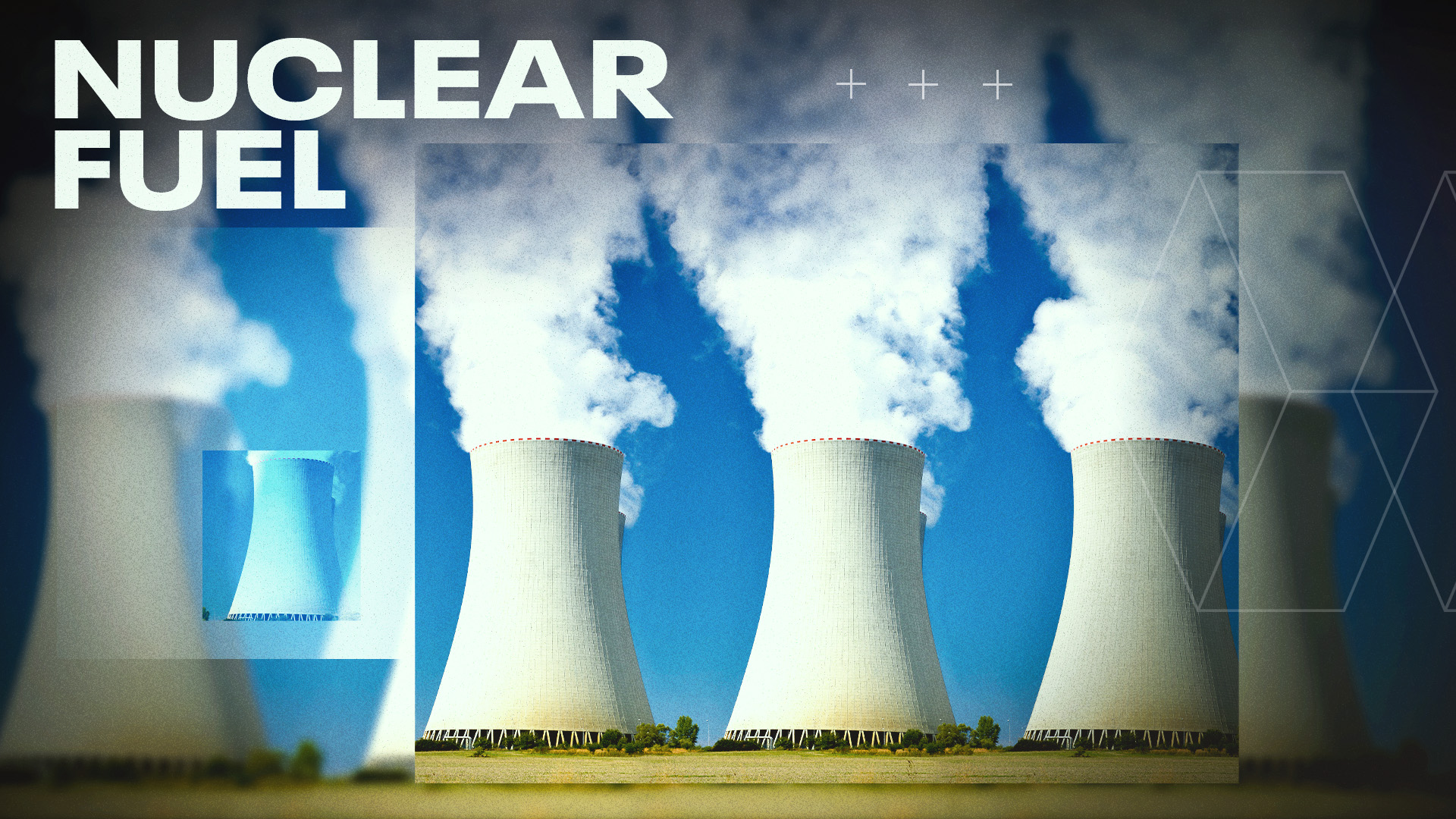
The nuclear supply chain is in the midst of a dramatic expansion. It’s being reshaped by geopolitics and geology, by the artificial intelligence wave and radical shifts in design. This is a remarkable reversal for a technology reviled in some quarters for the long-term risk posed by radioactive waste and the worst-case scenarios that made the names Three Mile Island, Chernobyl and Fukushima infamous. But accelerating global warming has shifted the landscape, and suddenly nuclear power has gone from zero to hero in the battle to simultaneously slow climate change and meet climbing energy needs.
But even with that renewed desire, making nuclear fuel is hard. There’s a complicated, multi-step process for converting raw uranium ore into a gas and enriching it to levels that can produce a fission reaction. It’s also highly regulated, because it uses the same process that produces materials for atomic bombs. Supporters say it’s worth the trouble, cost and risk because it’s the most energy-dense material available today. Three tablespoons of HALEU, or High-Assay Low-Enriched Uranium—one of the new varieties of reactor fuel—could supply the average American with enough power for life.
Meanwhile, new uranium mines are being developed just as factories are built to boost fuel-production, and mothballed plants are being brought online while innovative reactor designs become reality. explores this new chapter of nuclear energy, and where it might lead.
©2026 Bloomberg L.P.








