

Japan-Built Gas Plant Touted by Trump Would Be US’s Largest


(Bloomberg) -- A massive, natural gas facility that US President Donald Trump said Japan plans to build in Ohio would be the largest in the US, with capacity to power millions of homes.
Japan is expected to invest $33 billion in the project, which will be led by SoftBank Group Corp. subsidiary SB Energy, according to a US Commerce Department fact sheet outlining the plan. The site near Portsmouth, Ohio, will likely have capacity of 9.2 gigawatts, a White House official said.
That’s akin to about nine traditional reactors and at full capacity could generate enough power to supply about 7.4 million homes on the largest US grid, which is operated by PJM Interconnection LLC. If built, the Ohio plant would be bigger than a 7.65-gigawatt gas project Pacifico Energy Group plans in Texas and also be one of the largest in the world — Dubai Electricity and Water Authority says its Jebel Ali facility is the biggest gas generator, at almost 9.55 gigawatts.
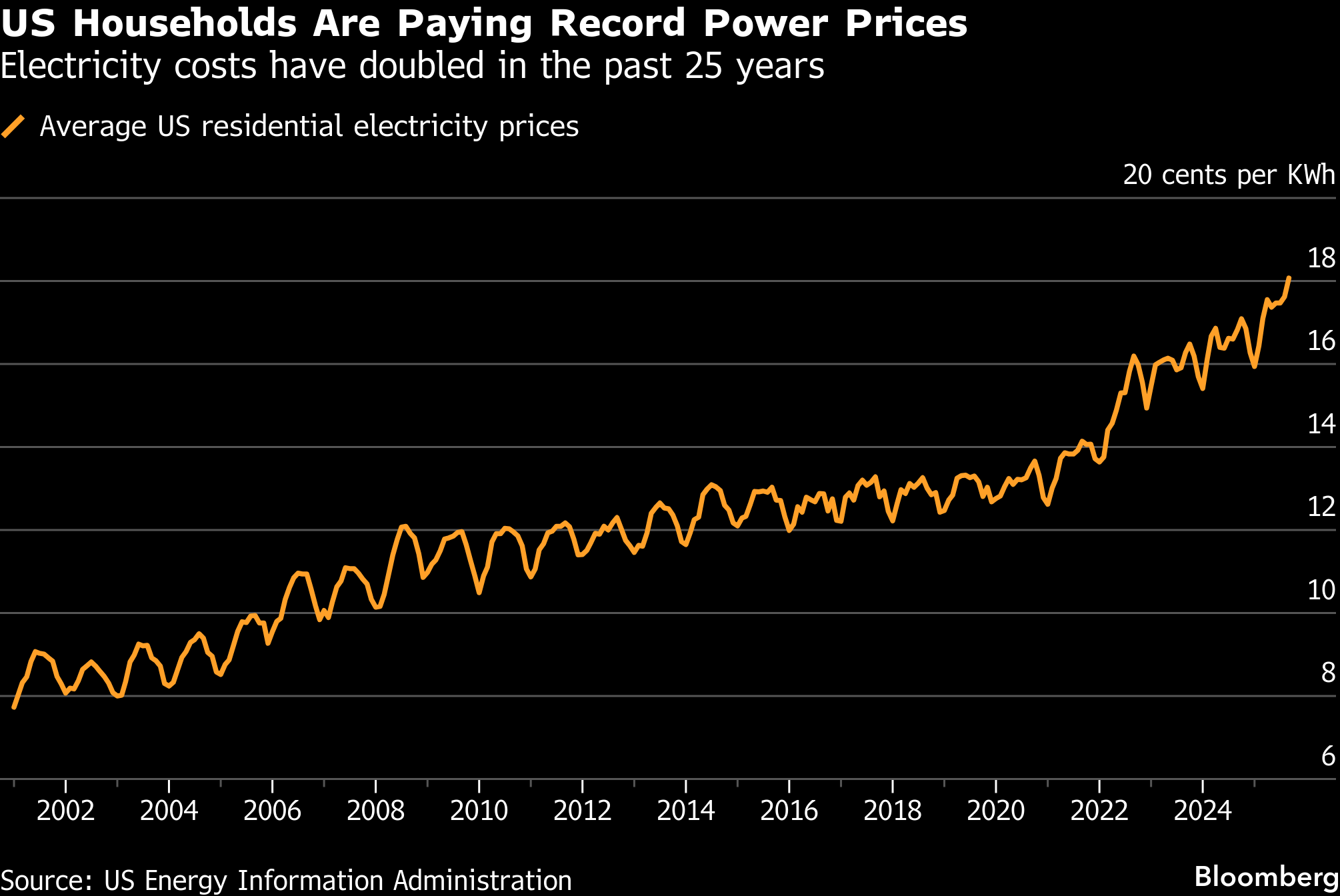
The Trump administration is seeking to accelerate the construction of big power plants to tame skyrocketing power bills as electricity demand is boosted by data centers, factories and the overall electrification of the economy. However, gas plants have their own challenges, including the surging global cost of turbines and lengthening average lead times.
It’s unclear when the Ohio venture — dubbed the Portsmouth Powered Land Project by the White House official — would come online or how developers plan to fast-track developments that often face years of supply-chain bottlenecks and permitting hurdles before connecting to the regional grid.
Another key question is who would ultimately pay for the project. Consumers typically shoulder the cost of new power plants, and many households are already struggling with rising electricity bills.
The price of building large gas plants — once about $1,000 per kilowatt — has more than doubled or even tripled in recent years. Based on the projected price tag for the Ohio facility, costs would work out to roughly $3,587 per kilowatt, even higher than recent builds.
The $33 billion price tag would likely cover infrastructure costs, including grid interconnection, transmission lines, substations and other equipment, Moses Sutton, head of US clean energy and power research at BNP Paribas SA, said in an email. If the project is tied to the grid, it “wouldn’t be surprising if this proves to be a 10-year plan,” he said.
One option to shield residential consumers from the hefty expense would be to allocate construction costs to data-center developers. PJM is trying to determine how such an approach could work.
Japanese companies, including SoftBank, Toshiba Corp. and Hitachi Ltd., have expressed interest in participating in the US gas project, Trade Minister Ryosei Akazawa told reporters on Wednesday. Japanese companies are already among the biggest foreign investors in US power plants and gas developments.
The Ohio facility would likely seek to connect to the 13-state grid operated by PJM, which stretches from Washington to Chicago and currently serves almost one in five Americans. It turns out PJM was caught off guard by the announcement.
“PJM wasn’t aware of the project, but we are excited about its prospects due to the need for new supply to meet burgeoning data center-large load demand growth,” spokesman Daniel Lockwood said in an email.
(Adds comment from analyst in eighth paragraph. An earlier version corrected wording in chart.)
©2026 Bloomberg L.P.