

Burnham May Yet Rewrite UK Fiscal Playbook If He Becomes PM


(Bloomberg) -- After Andy Burnham took a giant leap toward becoming the UK’s next prime minister, focus is turning to how the team he’s assembling could shape the country’s economic policies.
Fiscal issues have been especially sensitive for Burnham. Last year, he appeared to slight the bond markets, saying the UK had to move beyond being “in hock” to them. They’ve returned the favor by being wary of him, and any policies he might advocate that imply greater borrowing.
Burnham has said it was all a misunderstanding. A person familiar with his thinking said the incoming MP for Makerfield is aware of the fragility of the bond markets. He has recently moved to reassure investors, committing to Chancellor of the Exchequer Rachel Reeves’ self-imposed constraints on spending and borrowing.
Those require the government to cover day-to-day spending with tax receipts and for debt to be falling as a share of the economy. The Member of Parliament-elect also pledged not to make any exception for defense spending, just weeks after floating the idea in a Bloomberg interview.
But, while Burnham has committed to Reeves’ current framework, several of the economists, MPs and policy wonks he’s assembled around him have argued that the rules are too short-termist and prone to choking off investment that might improve growth.
Burnham is taking advice from former Bank of England Chief Economist Andy Haldane, ex-Goldman Sachs Chief Economist Jim O’Neill, former Institute for Public Policy Research Executive Director Carys Roberts, and Richard Hughes, who chaired the Office for Budget Responsibility until December, Bloomberg reported Thursday.

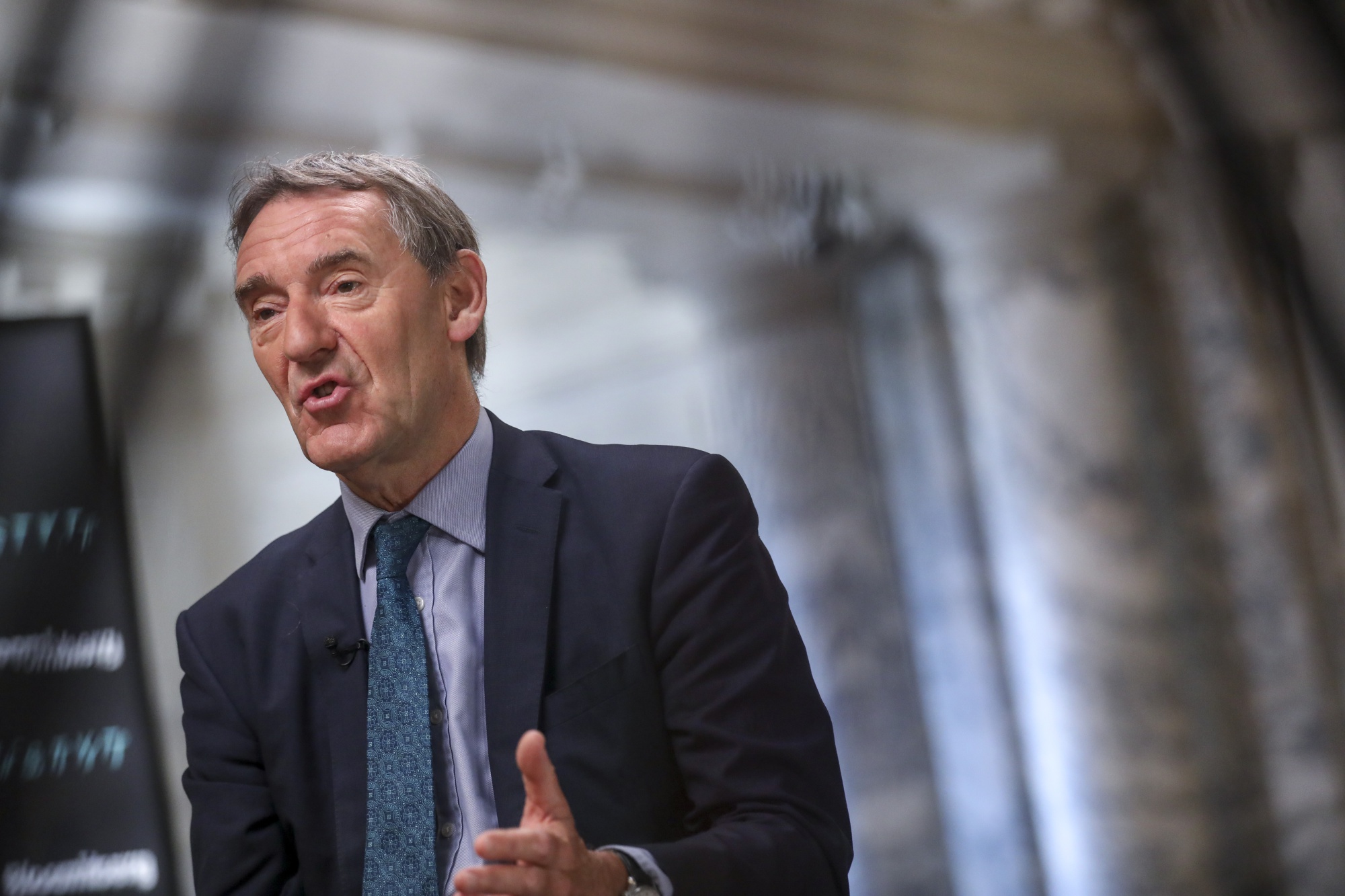
O’Neill has repeatedly advocated for the government to be “bolder” about borrowing. “I don’t think you’d necessarily have to rip up the fiscal rules,” he told Sky News on Saturday. Many Britons “think any kind of borrowing just means wasted money. But if you borrow for things that have really positive multiplier effects,” O’Neill added.
These people are “all extremely credible,” said Rupert Harrison, a senior adviser at PIMCO who served as an aide to the Conservative Party’s George Osborne when he was chancellor. Still, Haldane and O’Neill “have been calling for looser fiscal rules for some time,” he posted on X. “Don’t think this fiscal rules debate is settled.”
O’Neill has previously called the UK’s fiscal constraints “petty and arbitrary.” Haldane has said the case for changing them is “overwhelming,” arguing that they should allow for more government investment in order to drive growth. Hughes, meanwhile, told lawmakers in January that Reeves’ fiscal rules do little to bring borrowing under control and mean “that righting the fiscal ship after a shock happens much more slowly.”
Louise Haigh, the former transport secretary who has led Burnham’s campaign, has also been a vocal critic of Britain’s fiscal framework. Writing this week, she said it pushes governments to “make short term decisions to hit some arbitrary target in the future,” creating a “misleading sense of precision.”
Haigh argued that the Treasury’s debt target should be stretched from current three- and five-year rolling windows to a longer horizon of about 10 years. That would potentially create more room for investment without formally abandoning the rubric.

“A longer horizon would therefore improve, rather than undermine, the credibility of the framework by aligning it more closely with the real dynamics of growth and public finances,” she wrote.
The independent Institute for Fiscal Studies has made a similar critique of the rules’ incentives. In February, it said the fiscal debate had become “fixated” on “arbitrary” targets that politicians of all parties could fiddle. “This does not make for good policymaking, it does not ensure sustainable public finances, and it stretches credulity and credibility with financial markets,” the think tank said.
Still, its report also issued a warning that a Burnham administration would have to take seriously: a change should be considered “only from a position of strength and credibility.”
While Reeves largely has the confidence of gilt investors who see Burnham as an unknown quantity, she herself changed the rules at her first budget in October 2024, redefining the debt measure to increase room for investment. The change allowed as much as £70 billion ($93 billion) of additional borrowing over five years.
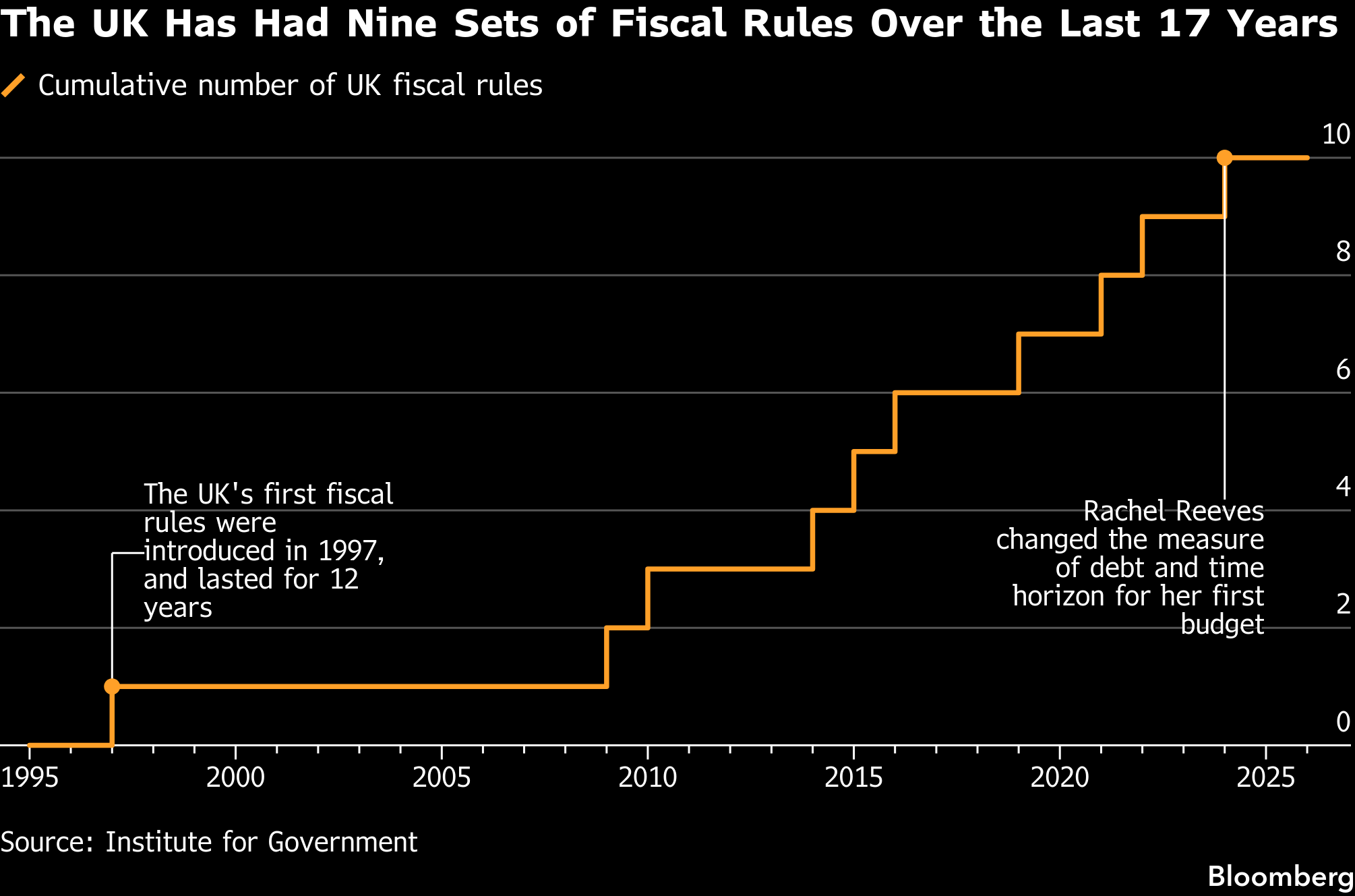
And that was only the latest rewrite. The UK’s fiscal rules, first introduced by Tony Blair’s Labour government in 1997, are being altered with increasing regularity. The Institute for Government says Britain is now on its 10th version.
The market reaction to any change in fiscal rules could depend as much on timing and presentation as substance – plus the person Burnham appoints as chancellor. His allies say he has no plans to reappoint Reeves. Some in Labour expect him to choose someone from the party’s soft left, such as his ally the Energy Secretary Ed Miliband, though others see Home Secretary Shabana Mahmood as another possibility.
The markets will focus on “any prospect of tweaks to the fiscal rules as well as who a new chancellor may be,” said Peter Goves, Head of Developed Market Debt Sovereign Research of MFS Investment Management.
The issue could reach a head over the potential nationalization of Thames Water. The government this week rejected a rescue deal put forward by the company’s creditors, and Yuan Yang, an MP in Burnham’s circle, has been a prominent critic of the privatized utility. Burnham has also made taking greater control over essential public services a key part of his agenda.
That could test the fiscal rules, raising questions over whether Thames Water’s large debt pile would be absorbed onto the public balance sheet.
“We are in the middle of an energy shock and after 2022, any whiff of fiscal laxity gets punished by the gilt market before a chancellor can act on it,” said Jordan Rochester, a strategist at Mizuho Bank, referring to the so-called mini-budget in September of that year, during Liz Truss’s disastrous seven-week premiership. “So in the first few weeks and months, we don’t expect too many hints of a change.”
“But as we get closer to the budget,” Rochester said, “we’d expect them to test the water.”
(Updates with more comment from economic adviser O’Neill in seventh paragraph.)
©2026 Bloomberg L.P.








