

Shark Tank Star Shrinks Data Center Footprint After Backlash


(Bloomberg) -- A proposed Utah data center that would have been almost three times the size of Manhattan will be drastically scaled back after pressure from lawmakers.
In the latest sign of the growing pushback against the AI buildout, venture capitalist Kevin O’Leary of fame pledged to cut the 40,000-acre Stratos development in half. Most of the remaining area will be left as open space, O’Leary wrote in a letter to Utah Senate President J. Stuart Adams.
With those changes, the plan would be in line with calls for a 75% reduction in the overall size of the project, he added in the letter dated Thursday. Still, O’Leary said many of the environmental concerns had been overstated.
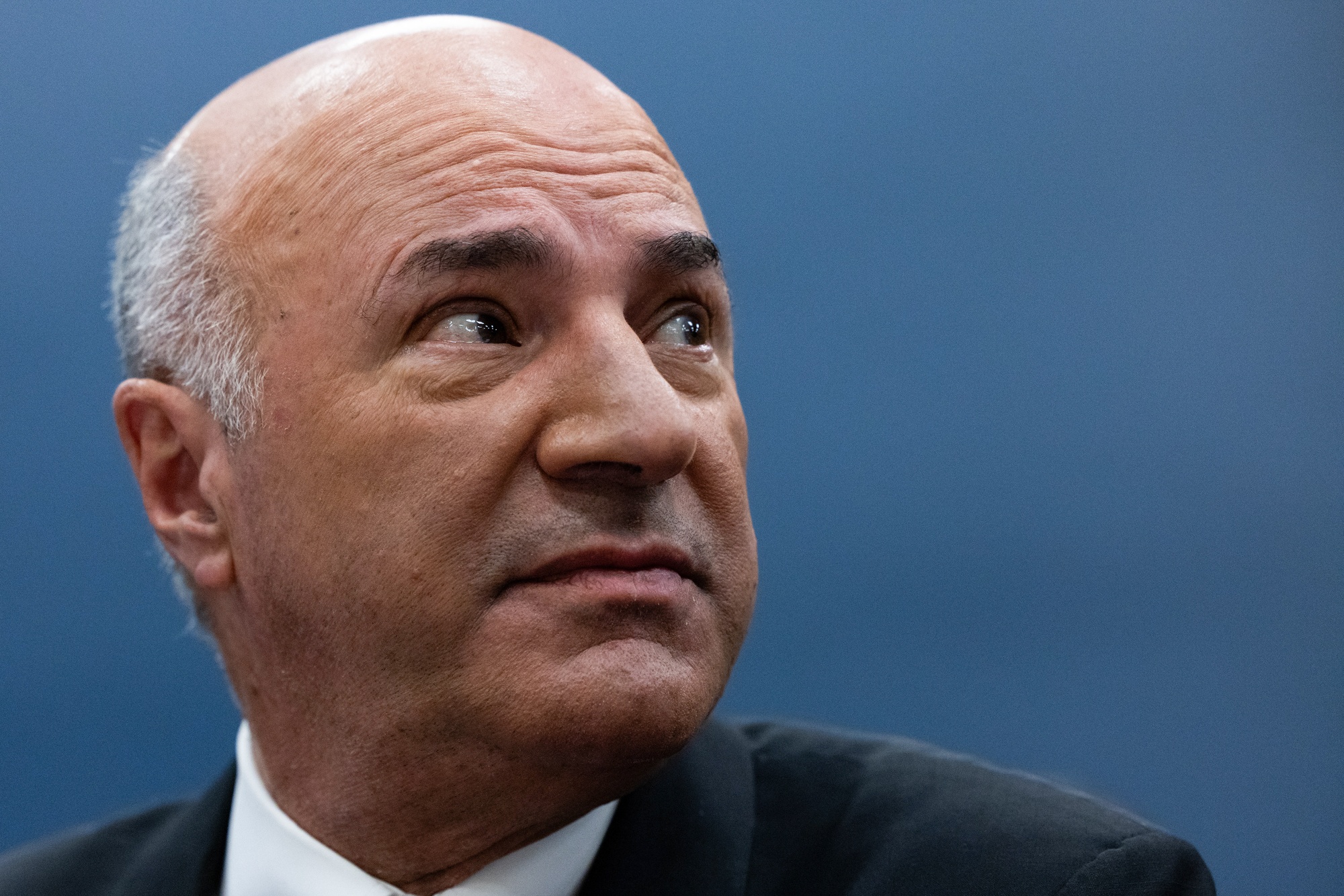
“Much of the alarm surrounding this project has been based on incorrect assumptions and facts about land use, water use, heat dispersion, air quality, and project timeline that does not reflect reality,” wrote O’Leary, chairman of O’Leary Digital. The project “has not broken ground, has not received permits, and the development plan is still being engineered and refined.”
The nine-gigawatt Stratos project in the northwest corner of the state has triggered raucous protests and even death threats against elected officials over environmental concerns including water usage in the Great Salt Lake area.
O’Leary Digital didn’t immediately respond to a request for comment. It wasn’t immediately clear if the overall nine-gigawatt capacity of the project will change.
The dispute is the latest example of how the surge in data centers to power artificial intelligence is triggering community opposition. Concerns range from soaring power prices to a loss of jobs due to AI, as well as environmental impacts.
Last month, a small Texas county outside Dallas approved a one-year moratorium on new data center and energy storage developments.
In response O’Leary’s letter, Adams welcomed the decrease in the project’s size. He reiterated that the project was still in its earliest stages and would have to conform to Utah regulations and protect nearby water resources.
“With responsible water use, transparency and input from the people of Utah, we will show the nation how to build it right,” Adams said in a statement. “There must be written commitments in place, and the proposal must undergo a full permitting and environmental review process, just like any other development project in Utah.”
©2026 Bloomberg L.P.








