

Alberta Calls Vote on Oil-Rich Region’s Future in Canada


(Bloomberg) -- Alberta Premier Danielle Smith said she’ll call a referendum on whether the energy-rich province should stay in Canada or start a legal process that could eventually lead to its independence.
The vote will be held Oct. 19 and is a response to a bid by separatist activists to break away from Canada.
A group called Stay Free Alberta tried to force a referendum on secession, using a provincial law that allows citizens to petition the government for one. But last week, an Alberta court blocked that effort, finding the government failed to meet its duty to consult with Indigenous peoples on a major constitutional change.
Instead, Smith’s government will call a new vote with the question: “Should Alberta remain a province of Canada or should the Government of Alberta commence the legal process required under the Canadian Constitution to hold a binding provincial referendum on whether or not Alberta should separate from Canada?”
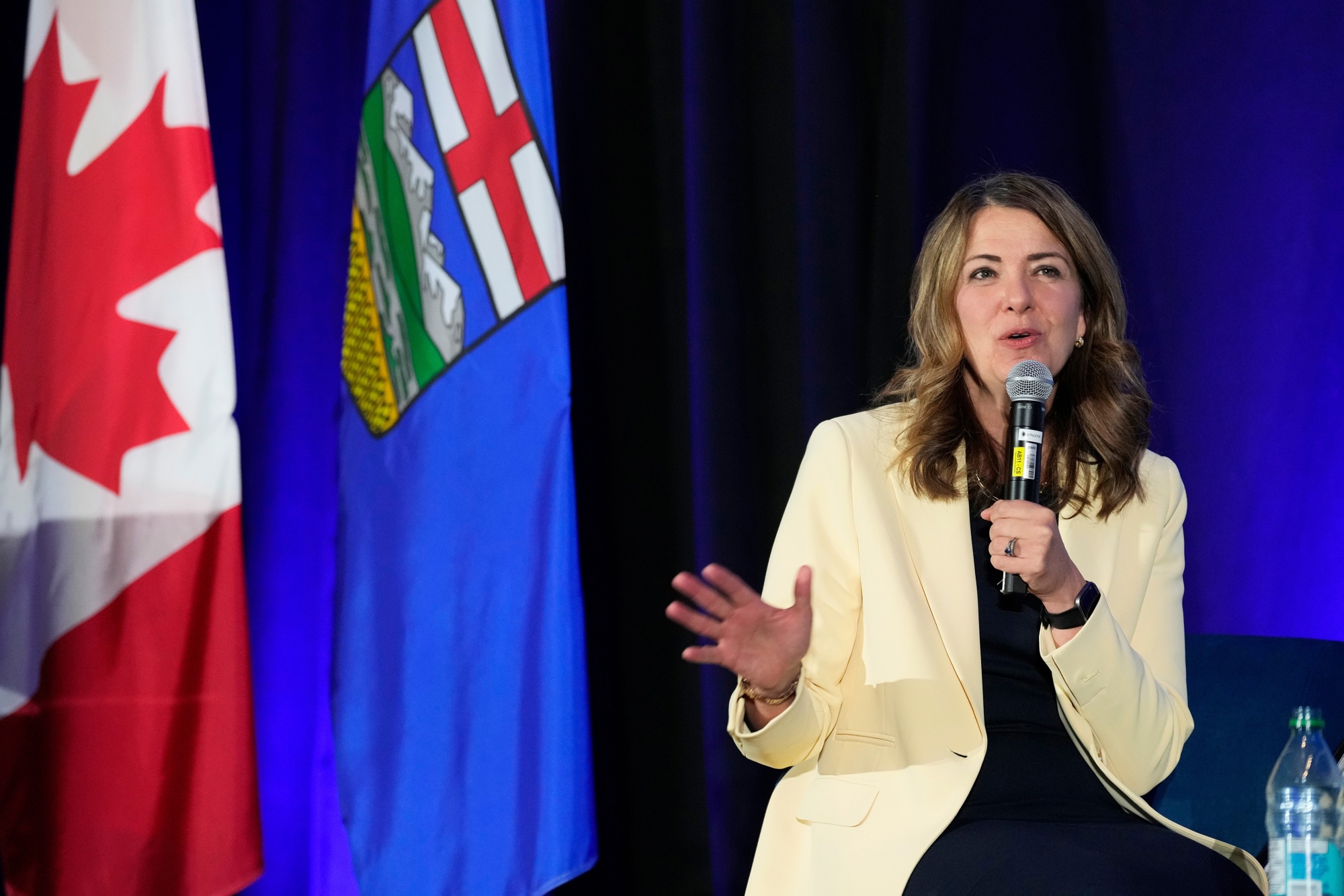
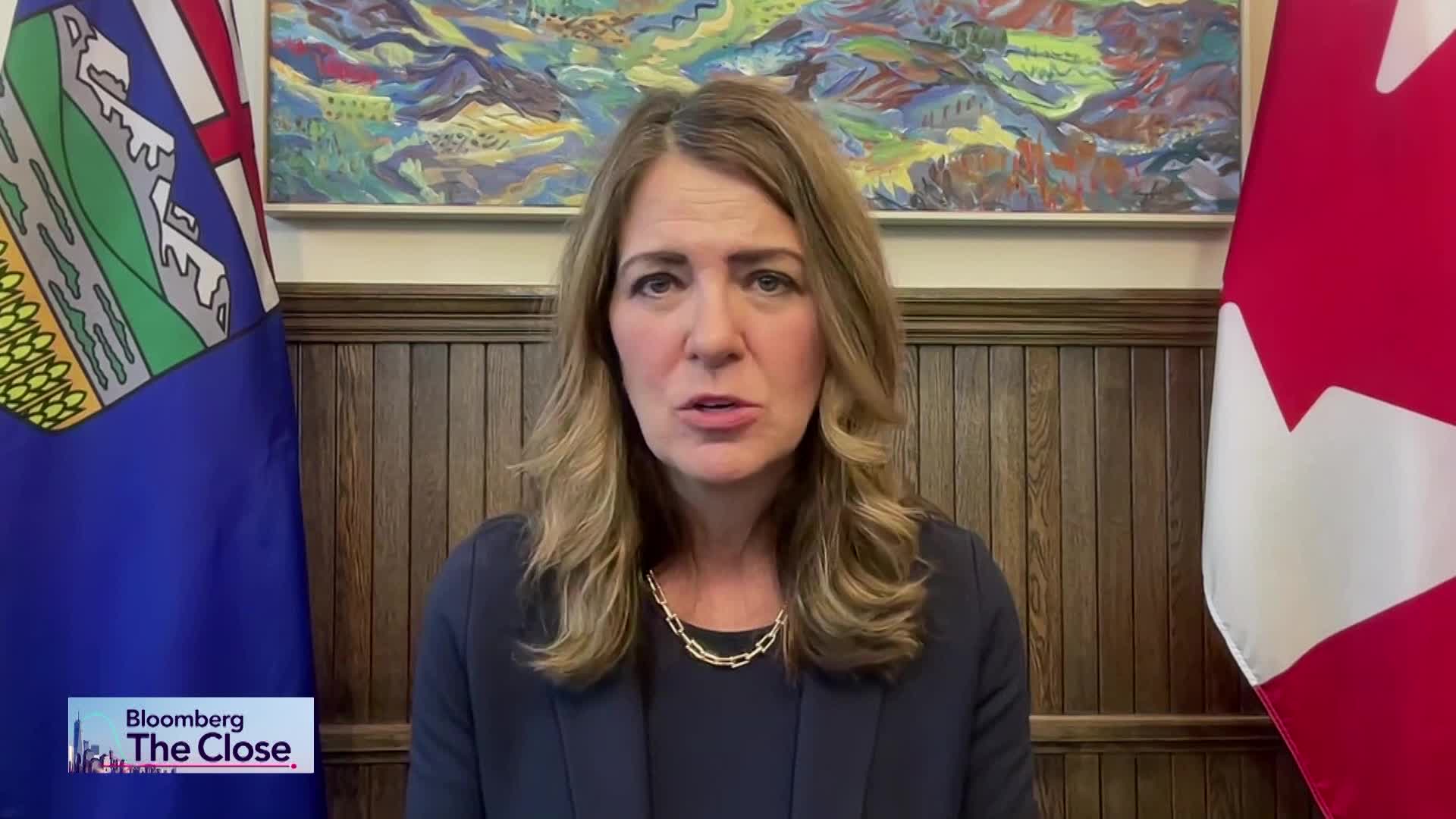
Smith said in a televised address to the province that her position and that of her United Conservative Party is to remain in Canada, but she was “deeply troubled by an erroneous court decision that interferes with the democratic rights of hundreds of thousands of Albertans.” She said this new question avoids the legal problems the petition process faced because it doesn’t bind the government to move to separate from Canada.
Longstanding disputes between Alberta and the federal government have led to a sovereignty movement that’s seeking to reap the rewards of the region’s vast natural resources. Stay Free Alberta said its petition, which asked for an independence vote, garnered more than 301,000 signatures.
Jeffrey Rath, one of the leaders of the separatist movement, said there would be a lot of people upset at Smith’s new question and he would be campaigning to have her ousted as leader of the UCP at the next opportunity.
“There’s going to be 301,000 people in Alberta who stood in the cold, who stood in blizzards that did exactly what she asked them to do in order to get their question on a referendum ballot,” he said in an interview. “And she literally stabbed 301,000 people in the back.”
Surveys also suggest separatism lacks broad appeal and is particularly opposed by women and residents of Alberta’s largest cities. A poll last month of 1,200 residents by Janet Brown Opinion Research found support for the separatist cause at 27%, with 67% saying they would vote against it.
A rival petition from a group called Forever Canada, led by former Deputy Premier Thomas Lukaszuk, garnered more than 400,000 signatures supporting the province staying within Canada.
The premier has been threading a political needle on the issue of separation, knowing that a significant portion of her United Conservative Party membership favors leaving the country, while also saying she believes in staying within Canada. Smith’s said she understands separatists’ concerns, and she lowered the threshold for a citizen petition to trigger a referendum.
“If you wanted to put something on the ballot that would keep the separatist question in play in Alberta, I think this is as far as you can go inside the legal parameters that have been set out by these court decisions,” Lisa Young, a political scientist at the University of Calgary, said in an interview.
Smith has previously announced that voters would get to weigh in on nine other questions on Oct. 19, largely to do with immigration measures and provincial powers within Canada.
Alberta, a province of about 5 million people, holds most of the country’s known oil reserves and exports millions of barrels daily to the US. Smith recently signed an agreement with Prime Minister Mark Carney’s government to advance a new pipeline to Canada’s west coast that would aim to start construction in September 2027.
Sheldon Sunshine, chief of Sturgeon Lake Cree Nation, one of the groups who successfully challenged the separation petition, said in an interview the potential breakup of the province was a uniting cause among Indigenous groups and they would continue to campaign to stay in government.
“We’re going to challenge them legally. We’re going to use every means that we have available to us,” he said. “We’re organized, we got teams put together, we’re preparing for anything.”
Ahead of Smith’s announcement, a group of 22 First Nations issued a statement saying despite submitting documents to cabinet and a special legislative committee that they had not yet heard back from the government on their concerns about a possible new question on separation.
Federal Intergovernmental Affairs Minister Dominic LeBlanc said on X that the government remains “focused on building a stronger Canada for all, in full partnership with Alberta and to the benefit of all Albertans and all Canadians.”
Pierre Poilievre, leader of the federal Conservative Party, earlier on Thursday said his party would be supporting the remain movement.
“I will be campaigning across the province of Alberta, encouraging Albertans to stay as part of the Canadian family, and encouraging nationwide unity for all Canadians,” he said.
The independence movement was embroiled in controversy earlier this month when police began investigating the unauthorized use of about 3 million citizens’ personal data in Alberta.
An activist group called the Centurion Project was accused of unauthorized possession of Alberta’s list of electors, which contains names, addresses and other personal information of voters. The dataset comprises about three-fifths of the province’s population, according to Elections Alberta.
(Updates with reaction starting from seventh paragraph.)
©2026 Bloomberg L.P.








