

Oil Jumps After Houthis Attack Two Saudi Tankers in the Red Sea


(Bloomberg) Oil extended its rally after Iran-backed Houthi militants said they attacked two Saudi Arabian tankers in the Red Sea, escalating the Middle East conflict and threatening deeper supply disruptions.
Brent crude advanced as much as 2.6% to trade near $96 a barrel after closing at a six-week high in the previous session, while West Texas Intermediate rose above $88. The Houthis said they fired missiles and drones at the vessels for violating a blockade, identifying the tankers as Encelia and Layla.
Minutes before the Houthi statement, UK Maritime Trade Operations said a ship had been struck by a projectile southwest of Al Shuqaiq on Saudi Arabia’s Red Sea coast, causing a fire on board. UKMTO didn’t identify the vessel.
Following the attack, products tanker Encelia began broadcasting a “not under command” status, indicating it may have lost maneuverability due to damage, according to ship-tracking data compiled by Bloomberg. Layla, a very large crude carrier, has continued sailing under its own power.
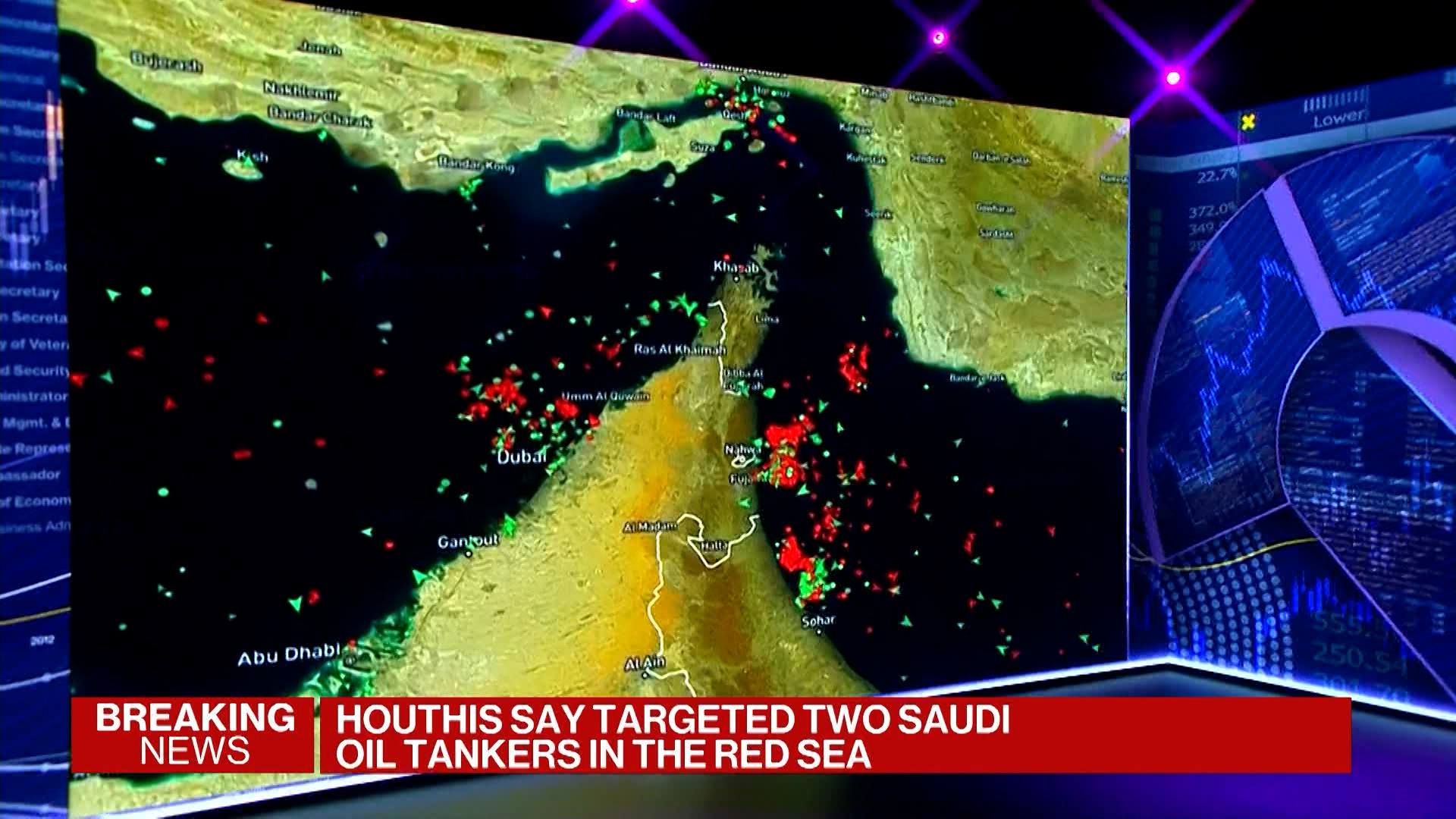
The attacks mark the first strikes on oil tankers in the Red Sea, opening a new front in a regional conflict that has snarled traffic through the Strait of Hormuz following a flare-up in violence. In recent days, Iran has struck vessels in the narrow waterway that is critical to Gulf crude exports.
The Red Sea attack is “a serious escalation” of the conflict, said Daniel Hynes, senior commodities strategist at ANZ Group Holdings Ltd. “If this route is disrupted, the tightness in the oil market is only going to worsen.”
Brent has rallied more than 30% this month, and some analysts see prices returning to triple digits later this year if hostilities persist in the Middle East. US forces conducted a 12th consecutive day of strikes on Iran, while Tehran responded by attacking Kuwait, which has borne the brunt of its retaliation.
American forces struck Iranian military targets including maritime capabilities and coastal surveillance sites, according to US Central Command. Nine commercial vessels have been redirected and one disabled to prevent ships from entering or departing Iran’s ports, Centcom added.
The durability of the price rally will depend on whether the Red Sea attack proves to be isolated, or triggers prolonged supply-chain disruptions, said Priyanka Sachdeva, senior market analyst at Phillip Nova Pte. She added that “bulls can comfortably aim for $100 a barrel” Brent.
Washington and Tehran have both played down the prospect of peace talks, raising the possibility of prolonged hostilities that could tighten oil markets. President Donald Trump threatened to bomb bridges and power plants, and reiterated threats to strike Pickaxe Mountain, a suspected Iranian nuclear site.
Houthi militants issued their threat to blockade Saudi shipping in the Red Sea earlier this week. The waterway has become a key alternative export route for Saudi Arabia, allowing the kingdom to bypass Hormuz and export millions of barrels a day to global customers.
©2026 Bloomberg L.P.








