

Oil Extends Drop as More Barrels Flow Through Strait of Hormuz


(Bloomberg) -- Oil fell for a third day as flows through the Strait of Hormuz climbed and there were signs of progress in indirect talks between the US and Iran.
Brent for September traded below $71 a barrel, after sliding more than 3% in the previous two sessions, while West Texas Intermediate was around $68. Oil supply through the critical waterway has reached more than 10 million barrels a day, underscoring Tehran’s now-limited ability to halt shipping, a US official said, while President Donald Trump hailed progress in negotiations.
Qatar said the next meeting would be scheduled at the earliest possible time following the funeral processions for Iran’s former Supreme Leader Ali Khamenei, who was killed in an air strike at the start of the conflict. Ceremonies are expected to begin July 4 and continue for days, according to Iranian state-run media.
Oil has extended losses after its worst quarter since 2020, as flows through Hormuz — which connects Gulf producers to global buyers — continued despite tensions over the weekend that saw the parties exchange strikes. While total supply is still crimped, the United Arab Emirates’ exports have reached pre-war levels thanks to workarounds, and key US crude grades have slumped to trade at discounts as demand for American supply fades.
“Prices continue to drift lower as the gush of oil escaping the Strait of Hormuz coincides with SPR releases and curtailed demand, as flare ups between Iran and the US remain contained at least for the time being,” said Saul Kavonic, senior energy analyst at MST Marquee, referring to the millions of barrels of strategic petroleum reserves countries tapped to replace lost Gulf supply.
The Islamic Revolutionary Guard Corps “may be reluctant to relinquish their leverage over the strait, as their ability to hold the world economy to ransom is the only point of leverage they really have,” Kavonic added.
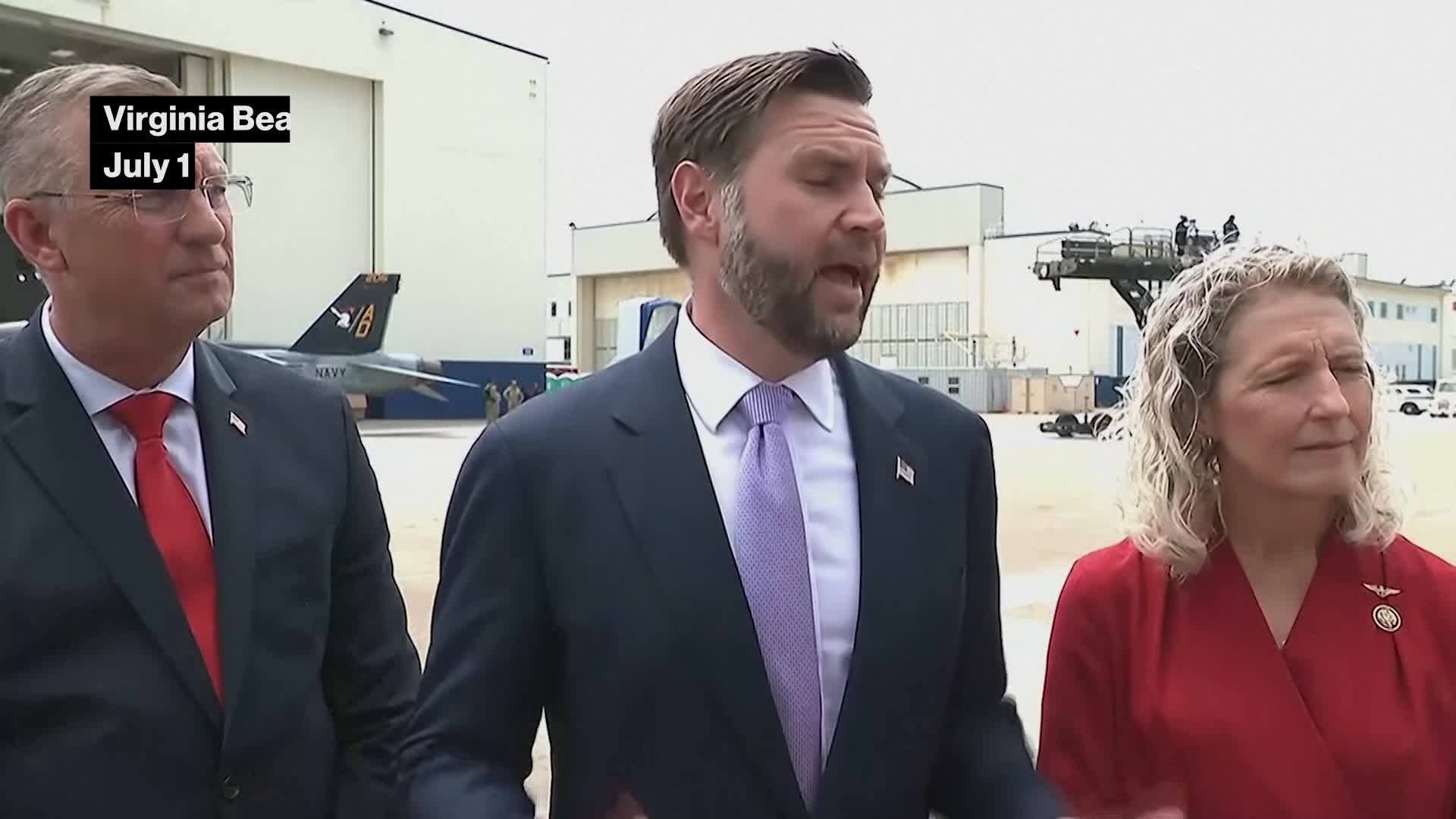
Ahead of the Qatar talks, Iran reiterated its determination to control shipping through Hormuz, underscoring the sticking points — which include the Islamic republic’s nuclear program and fighting in Lebanon — that are complicating discussions during the 60-day ceasefire window. Trump repeated that Iran cannot have a nuclear weapon in comments Wednesday to reporters in Virginia.
Total US stockpiles have fallen to the lowest levels since March 2025, with inventories excluding strategic reserves at around 1.2 billion barrels, after 12 straight weeks of declines.
©2026 Bloomberg L.P.








