

Brent Oil Set for Weekly Jump After Topping $100 on Supply Fears


(Bloomberg) -- Brent crude traded near $100 a barrel after Houthi attacks on tankers in the Red Sea opened a new front in the Middle East conflict, while President Donald Trump threatened to extend US strikes on Iran.
The global benchmark was steady on Friday, up around 14% this week after surging above triple digits in the previous session for the first time in two months. West Texas Intermediate was near $92. Trump threatened “major military punishment” in the event of further attacks on vessels in the Red Sea, and told Axios he was considering a “massive attack” on Iran.
The market is also contending with Ukrainian attacks at the Caspian Pipeline Consortium terminal on Russia’s Black Sea coast, which exports most of Kazakhstan’s oil. Global inventories have been depleted by months of war in the Middle East, raising the risk of a supply crunch and a broader economic shock.
Oil has rallied this month as hostilities between the US and Iran escalated in the Gulf, snarling traffic through the Strait of Hormuz and hobbling flows of crude and liquefied natural gas. The first attacks on Saudi Arabian tankers by Iran-backed Houthi militants in the Red Sea have heightened concerns about broader supply disruptions across the region.
“If Red Sea traffic is minimal, then we would forecast $120, kind of the inflection point for oil,” said Jay Hatfield, chief executive officer at Infrastructure Capital Management LLC. “If there’s no transportation, then you need conservation. The way you get conservation is higher prices.”
The Red Sea has become a crucial alternative export route for Saudi Arabia, allowing the kingdom to bypass Hormuz and continue shipping millions of barrels a day to global customers. Some Asian buyers are now in talks with state run Saudi Aramco to potentially divert flows through the Suez Canal and around Africa after the Houthi attacks, according to traders.
On Thursday, two Chinese tankers exited the Red Sea via the Bab el-Mandeb chokepoint loaded with Saudi oil, despite the attacks. The Yemen-based militant group has warned all vessels against calling at the kingdom’s ports.
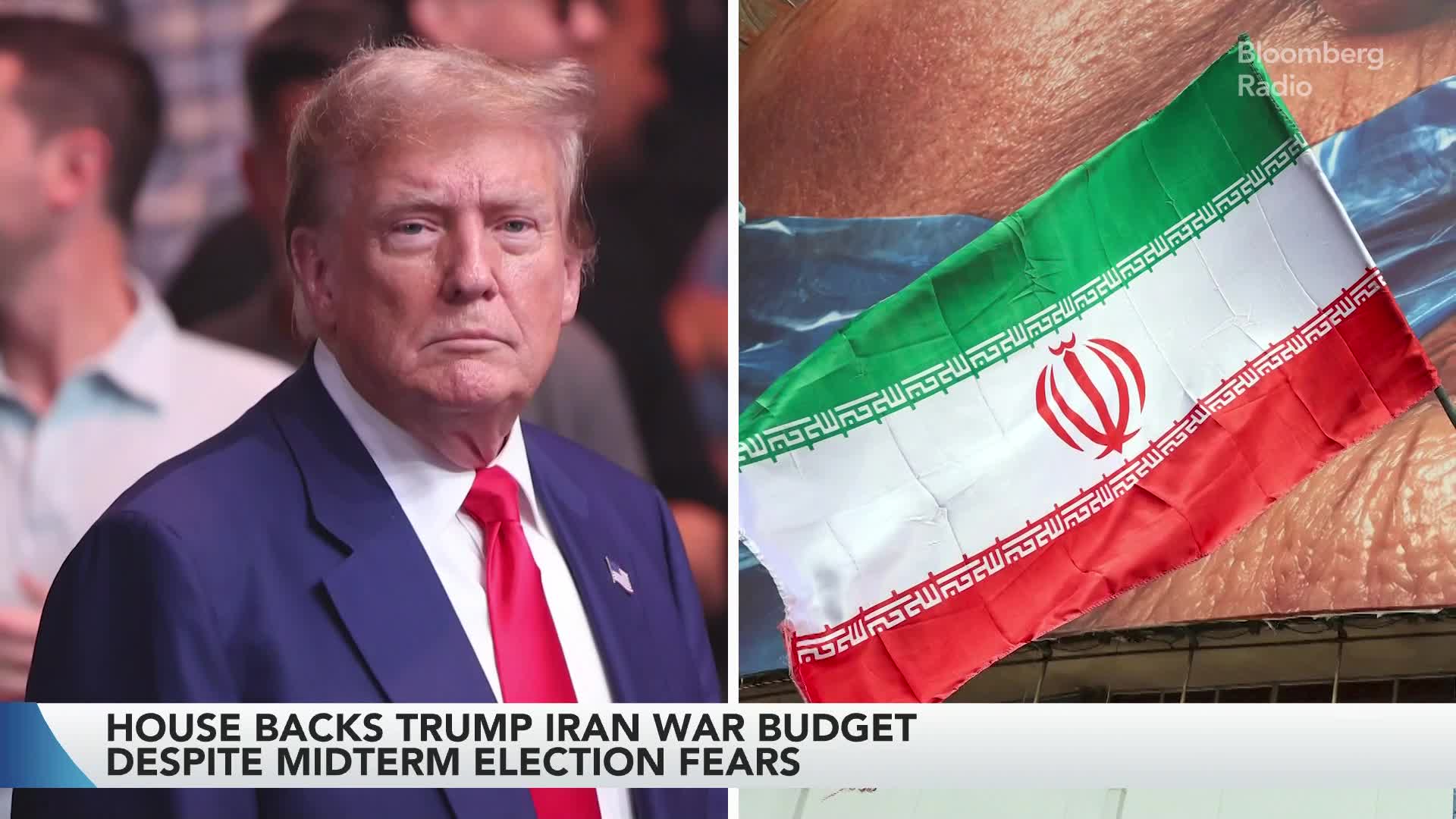
The US has bombed Iran for 13 consecutive days and both sides have dismissed a near-term return to the negotiating table. Tehran warned that it will retaliate against energy facilities in the region if Trump follows through with his threat to destroy bridges or power plants if Iran attacks ships in Hormuz.
Trump warned “that from this point forth, any and all damages done to Ships, Cargo, or anything related thereto, will be paid for by Iranian Money that the United States has in its possession, and controls.” He did not provide details on how payments would work in the Truth Social post on Thursday evening.
Iran’s Foreign Minister Abbas Araghchi responded that “seizing another nation’s assets to pay for unrelated future claims is an incendiary precedent.”
“The path of least resistance continues to point higher,” said Chris Weston, head of research at Pepperstone Group Ltd., referring to oil prices. Brent is likely to climb to $110 a barrel unless “we see a meaningful shift toward two-way negotiations and a clear path” to a peace agreement, he added.
©2026 Bloomberg L.P.