

Plans to Tap Bolivia’s Vast Mineral Riches Hit by Mass Unrest


(Bloomberg) -- Mass unrest across Bolivia is stalling the new government’s plans to tap the nation’s vast mineral wealth using foreign capital.
Embattled president Rodrigo Paz sees attracting foreign investment into the nation’s hydrocarbons, lithium, tin, zinc, silver and gold as key to transforming South America’s poorest economy. But, seven months into his government, his inability to keep a lid on social protests is torpedoing that idea.
“There are markets that do not want to sign contracts with us because of the country’s political instability and the image we are projecting of failing to meet commitments,” said Oswaldo Barriga, president of the National Chamber of Exporters.
Paz’s surprise victory last year made him the first pro-business candidate in decades to win an election in the Andean nation. But key sectors that backed his presidential bid have turned on him early in his five-year term, raising questions about whether his ambitious reform agenda can deliver results.
Highway blockades have cut off La Paz, the country’s administrative capital, causing shortages of food, medicine and fuel. While the direct economic damage is considerable, this is also undermining the rosy picture that the Paz administration had sought to pitch to investors, of a nation re-open for business after two decades of socialist mismanagement.
Exporters.
The national labor union, and the La Paz farmers federation Tupac Katari are among the groups that withdrew their support for the government and organized the blockades. They leaders expressed anger at having been excluded from the government’s decision-making process, among other grievances.
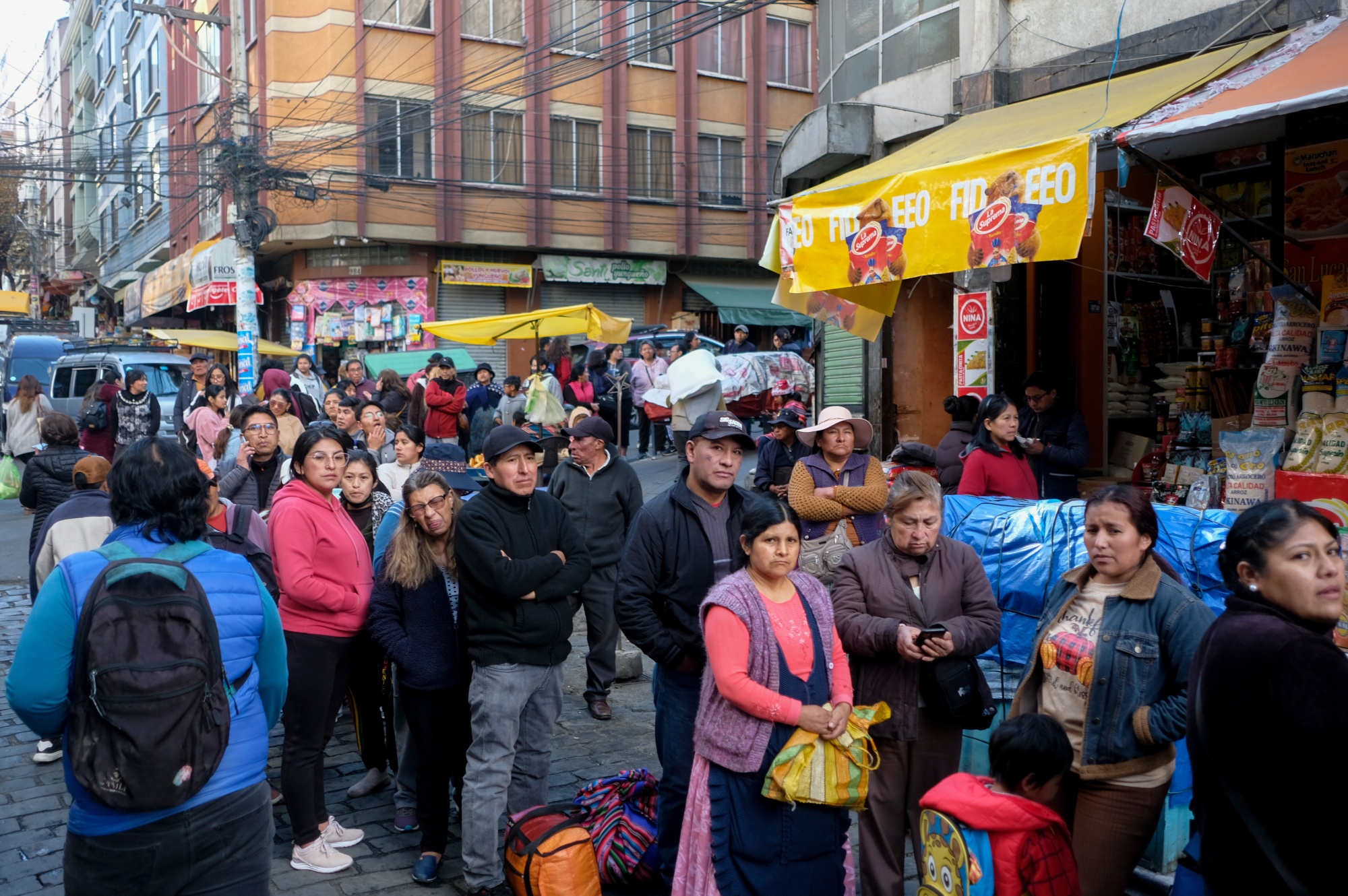
The damage to Bolivia’s image is also damaging plans to promote tourism, according to Rolando Kempff, head of the La Paz Federation of Private Businesses.
Paz told Bloomberg last week that his administration would soon send a package of bills to congress, designed to boost investment in hydrocarbons, lithium and other kinds of mining. But while potential investors are likely to welcome a lighter tax and regulatory burden, they’ll be put off by the likelihood of repeated bouts of unrest.
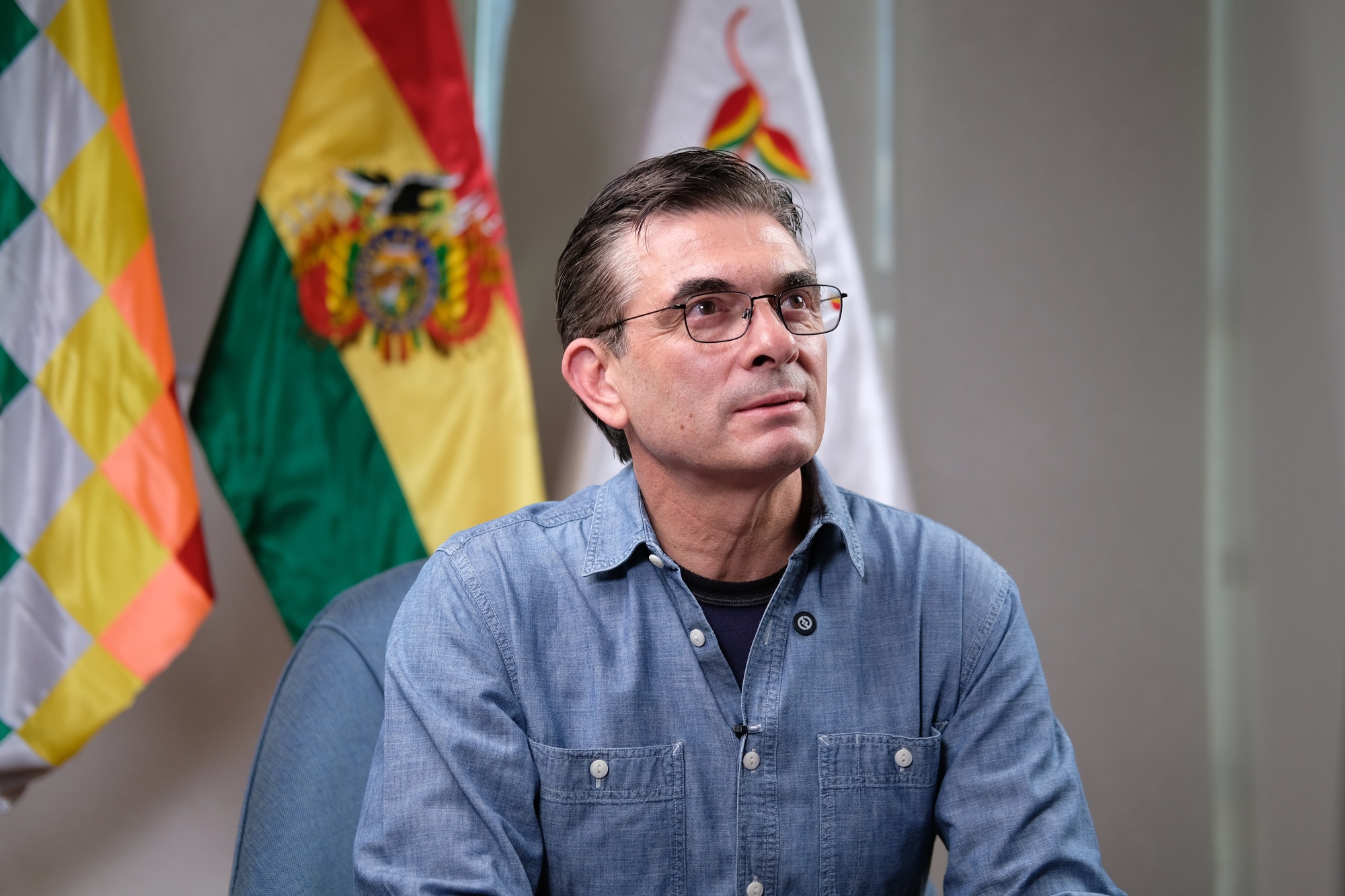
Protesters are demanding that Paz step down, but he said he has no plans to do this and will end his term as leader of a country open to foreign investment and with stronger institutions.
“Five years from now, Bolivia will be an advanced country, built on the foundations of a necessary modernization of its institutions, a frontal fight against corruption, a controlled fiscal deficit, and a clear path toward growth through an open economy with clear rules,” he said in an interview with Bloomberg Television’s
Paz has said the current crisis will determine whether Bolivia adopts a new style of governance, or returns to the grip of groups that dominated the country for much of the last two decades.
Despite the risks of protests, and tensions between different communities, some investors still see the country as an attractive place to go.

“It’s incredible from a commodities perspective, and it’s hard not to see it as a very easy place to make money,” Hans Humes, chairman and chief executive officer of Greylock Capital, said in an interview with . “It’s just the ethnic tensions that have always existed, and the fact that there is a tradition of taking to the streets, with frequent government turnover. As we are seeing now, it is pretty easy to choke the economy.”
Humes said the country continues to offer a good ratio of risk to return, while the macro story remains good.
Bolivia recently returned to international capital markets after a four-year absence, issuing $1 billion in sovereign bonds, and is negotiating a $3 billion program with the IMF.
©2026 Bloomberg L.P.