

Iran Signals No Deal Will Be Signed by Trump’s Sunday Timeline


(Bloomberg) -- Iran pushed back on US President Donald Trump’s assertion an interim peace deal to reopen the Strait of Hormuz would be imminent, as an Israeli strike on Lebanon posed a potential new risk to any agreement.
The Islamic Republic said nothing had been finalized regarding the deal with the US and that an agreement would not be reached by Trump’s suggested deadline, Iran’s semi-official Fars News Agency reported on Sunday, citing an unidentified official close to the negotiating team. As of Friday, Iranian Supreme Leader Mojtaba Khamenei hadn’t agreed to the text, according to a person familiar with the matter who spoke to Bloomberg.
Adding to tensions, Israel’s military hit the Lebanese capital on Sunday, saying it was targeting Hezbollah after the Iranian-backed group fired more projectiles into northern Israel. Three people were killed and 15 injured in the southern suburbs of Beirut, state-run National News Agency reported.
Iran’s top negotiator, Mohammad Bagher Ghalibaf, said there was “no point” in continuing talks if the US lacks the “will and ability” to fulfill its commitments and stop Israel from bombing Lebanon. The Islamic Republic warned that Israeli attacks on Beirut wouldn’t go “unanswered,” according to state media.
Israel’s foreign ministry responded to Ghalibaf, saying Hezbollah had attacked “completely unprovoked” and firing at its territory wouldn’t be tolerated.
Iran launched ballistic missiles at Israel less than a week ago in retaliation for the Jewish state striking Beirut. Iran insists any interim deal with the US includes a ceasefire in Lebanon, a demand Israeli Prime Minister Benjamin Netanyahu says he won’t accept until Hezbollah is disarmed and no longer firing on Israel.
An agreement is meant to see Tehran reopen the strait to commercial vessels and Washington lift a blockade of Iranian ports. The two would extend their ceasefire by around two months and go into further negotiations about curbing Iran’s nuclear program.
“The Deal is scheduled to get signed tomorrow,” Trump said on Truth Social on Saturday, “and immediately after it is signed, the Hormuz Strait is OPEN TO ALL.”
Iranian officials have emphasized there’s been progress and say they are closer to a pact than at any point since the ceasefire started on April 8. Yet they’ve been more cautious than Trump, stating that not all the clauses of what’s likely to be a 14-point document are finalized.
Sticking Points
A Qatari delegation of mediators arrived in Tehran on Sunday to continue exchanging messages between Iran and the US regarding the MOU, according to the Iranian ISNA news agency.
While Tehran is likely to reiterate it won’t build nuclear weapons, key sticking points include its demand the US unfreezes tens of billions of dollars of Iranian funds held in countries such as Qatar, and Washington’s push for the Islamic Republic to agree to destroying or diluting its stockpiles of high-enriched uranium.
Reuters, citing an unidentified Iranian official, reported that a draft of the MOU includes the US allowing the release of $25 billion of frozen assets.
Trump, under pressure from Iran hawks in the US, has said that Iran won’t get any money immediately upon an MOU being signed. That’s been echoed by other US officials, who say the Islamic Republic will only benefit financially if it shows it’s sticking to the terms of the deal, including allowing traffic to move freely through the Hormuz strait.
Trump has added that when other components of the deal are settled, the US will “go in and get the Nuclear Dust,” his term for highly enriched uranium, and would destroy it either in Iran or the US.
The two sides have been negotiating via mediators such as Pakistan and Qatar since the truce kicked in. Tensions have remained high and the ceasefire looked close to collapsing this week, with Iran and Israel exchanging fire. The US then blamed Iran for downing an Apache helicopter, which led to clashes between them on Tuesday and Wednesday nights.
Trump said he would hit more military targets on Thursday, before changing plans with his announcement that an agreement with Iran was imminent.
His switch in stance came after Iran privately threatened to end negotiations and escalate its response to any further US strikes, one diplomat familiar with the matter said.
Trump has vacillated dozens of times in recent weeks between saying a deal is near and threatening to return to all-out war against Iran.
He started the conflict in late February when he opted to bomb Iran alongside Israel, saying it was necessary to stop the Islamic Republic building a nuclear weapon. He and Netanyahu also signaled they wanted regime change, ending the Islamic Republic that came to life with Iran’s revolution in 1979.
Although Iran has been battered and several top officials have been killed — including Supreme Leader Khamenei’s predecessor and father, Ali — its forces have caused chaos across the region. They’ve fired thousands of missiles and drones at Israel and US allies such as Qatar and the United Arab Emirates.
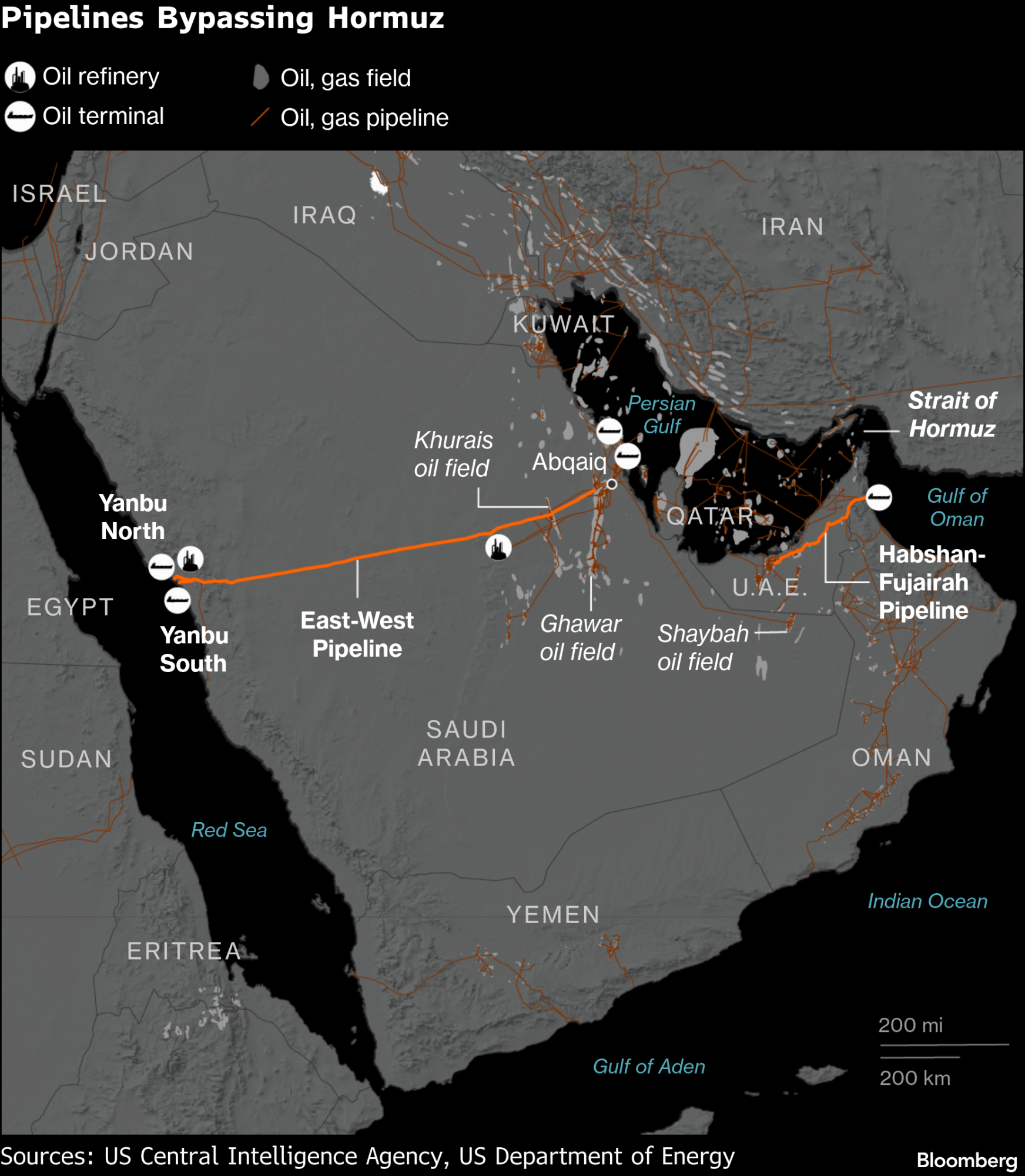
Iran also effectively closed the Strait of Hormuz by hitting some ships, sending energy prices soaring. While oil has dropped since late April, with traders anticipating a deal rather than a return to full-blown warfare, it’s still up more than 40% this year at around $85 a barrel.
And time may be running out to keep prices below $100. The US and other nations have drawn down emergency petroleum stockpiles at a record rate to help cap prices. Oil executives have warned those buffers are reaching critical lows.
The jump in fuel costs has pushed up inflation globally, including in the US, hurting Trump and his Republican Party ahead of midterm elections in November.
At the same time, Trump is keen to present any deal as a win and is under pressure from Iran hawks such as Senator Lindsey Graham not to unfreeze any of Tehran’s funds. Many of them have called on him to resume strikes and “finish the job.”
(Updates with more details on airstrike on Lebanese capital, Fars detail.)
©2026 Bloomberg L.P.