

India Set to Boost Biogas Prices, Subsidies in New Program


(Bloomberg) -- India is set to introduce a program to spur compressed biogas production through higher guaranteed purchase prices and subsidies for new plants, a bid by Prime Minister Narendra Modi’s government to lower carbon emissions and cope with soaring fossil fuel costs.
The policy expected to debut this month would increase the offtake price of compressed biogas, or CBG, and offer financial benefits to companies for spending on new projects, according to people familiar with the matter. The goal is to increase the number of operational CBG plants over the next several years to about 700 from roughly 200 currently, said the people, who did not want to be identified discussing confidential details.
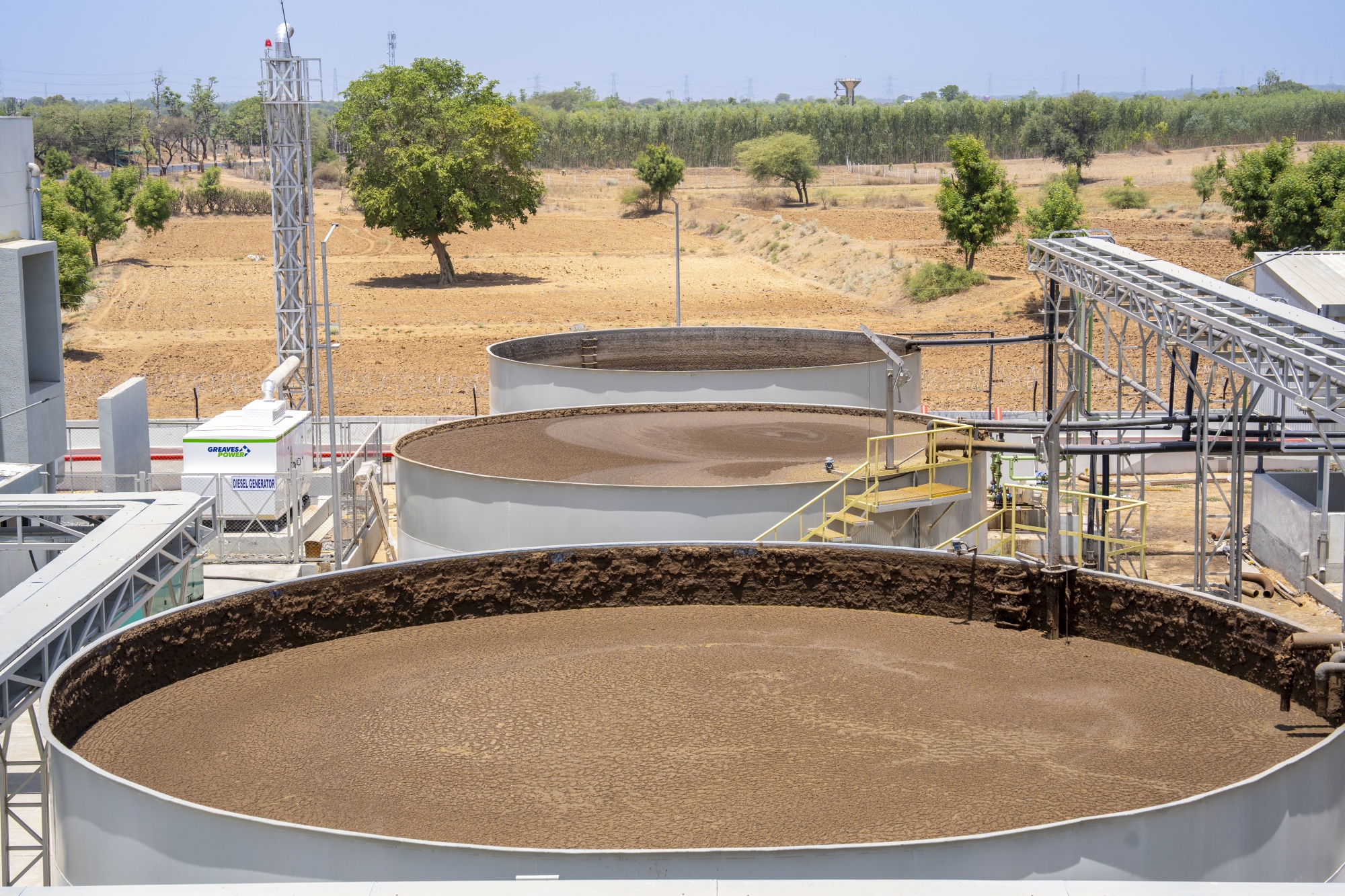
Compressed biogas is methane produced from organic waste including paddy straw, cattle dung, food and household leftovers. Policymakers view it as a carbon-negative fuel because it captures emissions that would otherwise go into the atmosphere and creates a substitute for fossil fuels. State-owned oil marketing companies and gas utilities currently pay gas producers around 72 rupees ($0.76) to 74 rupees a kilogram for CBG, which is blended with other natural gas that is supplied to households and automobiles via pipelines.
India has been trying to ramp up biogas production for much of the past decade, but output has fallen far short of its earlier goals. The latest effort has taken on more urgency amid the Iran conflict, which has exposed the South Asian nation’s vulnerability to global price swings and supply disruptions. India currently imports about half its gas needs, and much of that comes via the Strait of Hormuz, which has been largely closed for months. New Delhi is seeking to make alternatives to imported oil and natural gas more commercially viable, while trying to meet climate goals and tackle chronic agricultural pollution.
Dubbed , which means “complete” or “perfect” in Hindi, the new program will be implemented by India’s Ministry of Petroleum and Natural Gas, the people familiar said. The ministry didn’t immediately reply to an email seeking comment.
Back in 2018, Modi’s administration had set an ambitious target of 5,000 biogas plants nationwide by March 2024, with a goal of producing 54 million cubic meters of gas daily, or roughly half of the country’s demand at the time.
In February this year, India’s oil minister said in a post on X that the country’s 134 CBG plants were producing about 930 tons of biogas per day, which would be less than 1% of its consumption needs. India’s government is aiming to increase the proportion of biogas blended with other natural gas to 5% of total consumption by the fiscal year ending March 2029.
Air pollution
The government incentives are expected to support projects using agricultural residue and food waste, including material sourced through agencies such as the Food Corporation of India, the people said.
Some of India’s top conglomerates have invested in biogas projects, including Reliance Industries Ltd., which pledged last year to bring online 55 compressed biogas plants with a cumulative capacity of 400,000 tons a year. It is targeting 500 plants by 2030.
Japan’s Suzuki Motor Corp., parent of India’s largest car maker Maruti Suzuki, opened a pilot plant in 2024, followed by its first full-scale biogas plant in India in December and a second a month later. It plans to build a total of five biogas facilities fed by cow dung in the state of Gujarat.
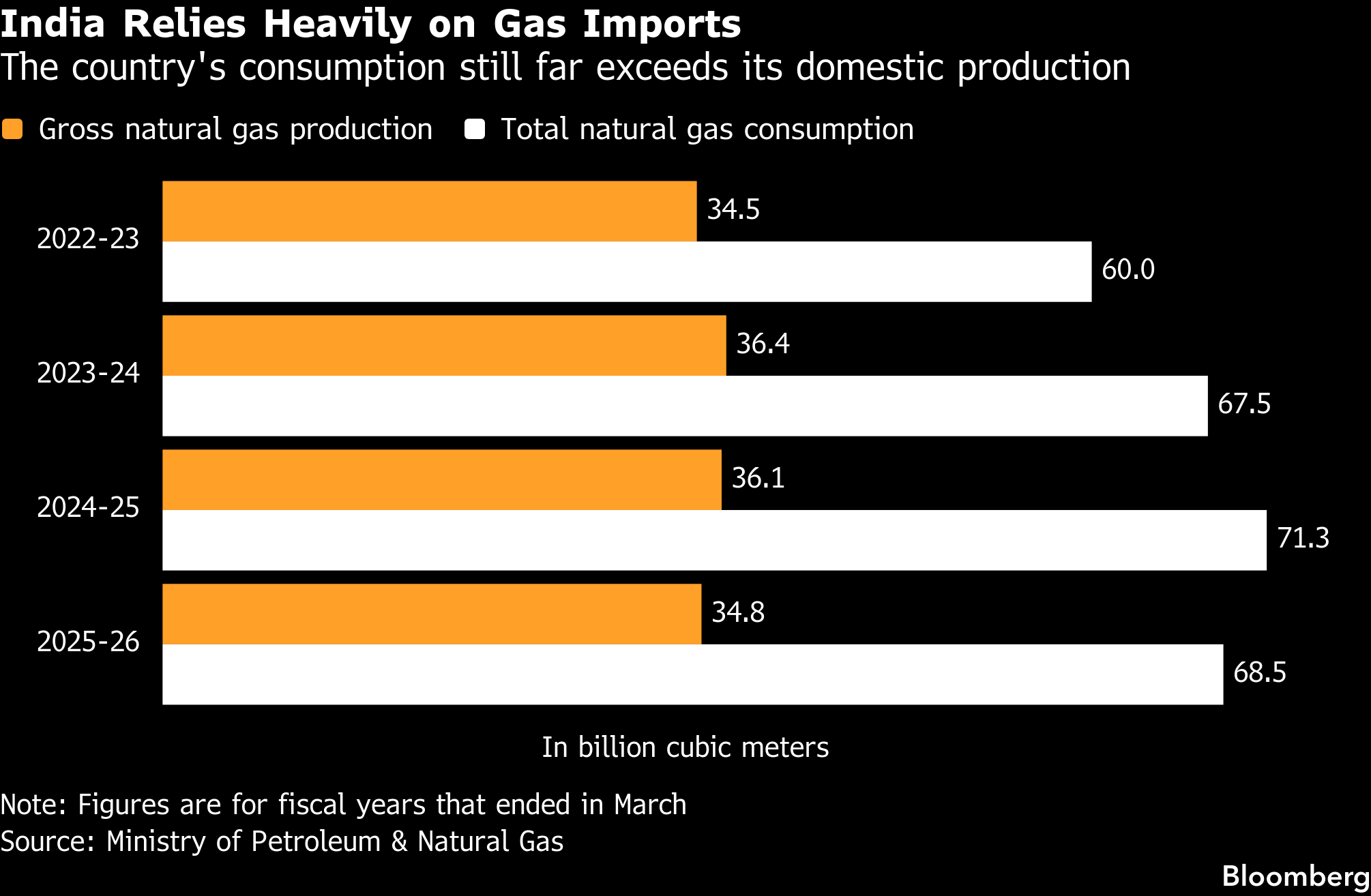
The program also is intended to address one of India’s most persistent environmental challenges: the seasonal burning of crop residue across its northern states. Farmers often burn paddy straw after harvest to quickly clear fields for the next planting season. That has contributed to severe air pollution that regularly blankets New Delhi and surrounding regions.
India previously attempted to increase investment in the sector through policies such as a Sustainable Alternative Towards Affordable Transportation initiative to encourage biogas plant development. Another program to convert farm waste into fertilizer and biogas is called the Galvanizing Organic Bio-Agro Resources Dhan. Those efforts helped establish an initial pipeline of projects but fell short of official ambitions amid financing challenges, feedstock constraints and concerns about commercial viability.
New Delhi’s latest policy effort is expected to improve project economics and attract private investment into the sector, one of the people familiar said. The increased price support is particularly significant because developers have long argued that existing returns were insufficient to justify large-scale investment in biogas infrastructure, he added.
©2026 Bloomberg L.P.








