

Oil and Gas Rise After US Seizure of Iranian Ship Imperils Talks


(Bloomberg) -- Oil and natural gas prices rose after the US Navy seized an Iranian ship during a chaotic weekend that saw Tehran firing at vessels and reimposing controls in the Strait of Hormuz.
Brent crude traded near $95 a barrel, recouping roughly half of its slump on Friday, when a reopening of the key waterway was announced, while European gas was up about 3%. Tehran closed the chokepoint again on Saturday, after it said a US blockade of Iran-linked ships violated a ceasefire agreement that ends Tuesday.
The tensions led Iran to hesitate on whether to send diplomats to Pakistan for a second round of peace talks, but Tehran was reportedly reviewing a US proposal. President Donald Trump, meanwhile, said he saw a chance for a deal, with Vice President JD Vance, special envoy Steve Witkoff and the president’s son-in-law Jared Kushner scheduled to fly to Islamabad for talks on Tuesday.
“Markets are stll betting on a timely resolution, but each day raises shortage risk,” said Bjarne Schieldrop, chief commodities analyst at SEB AB in Oslo. “Physical oil flows remain constrained by disrupted flows, longer voyage times and elevated freight and insurance costs.”
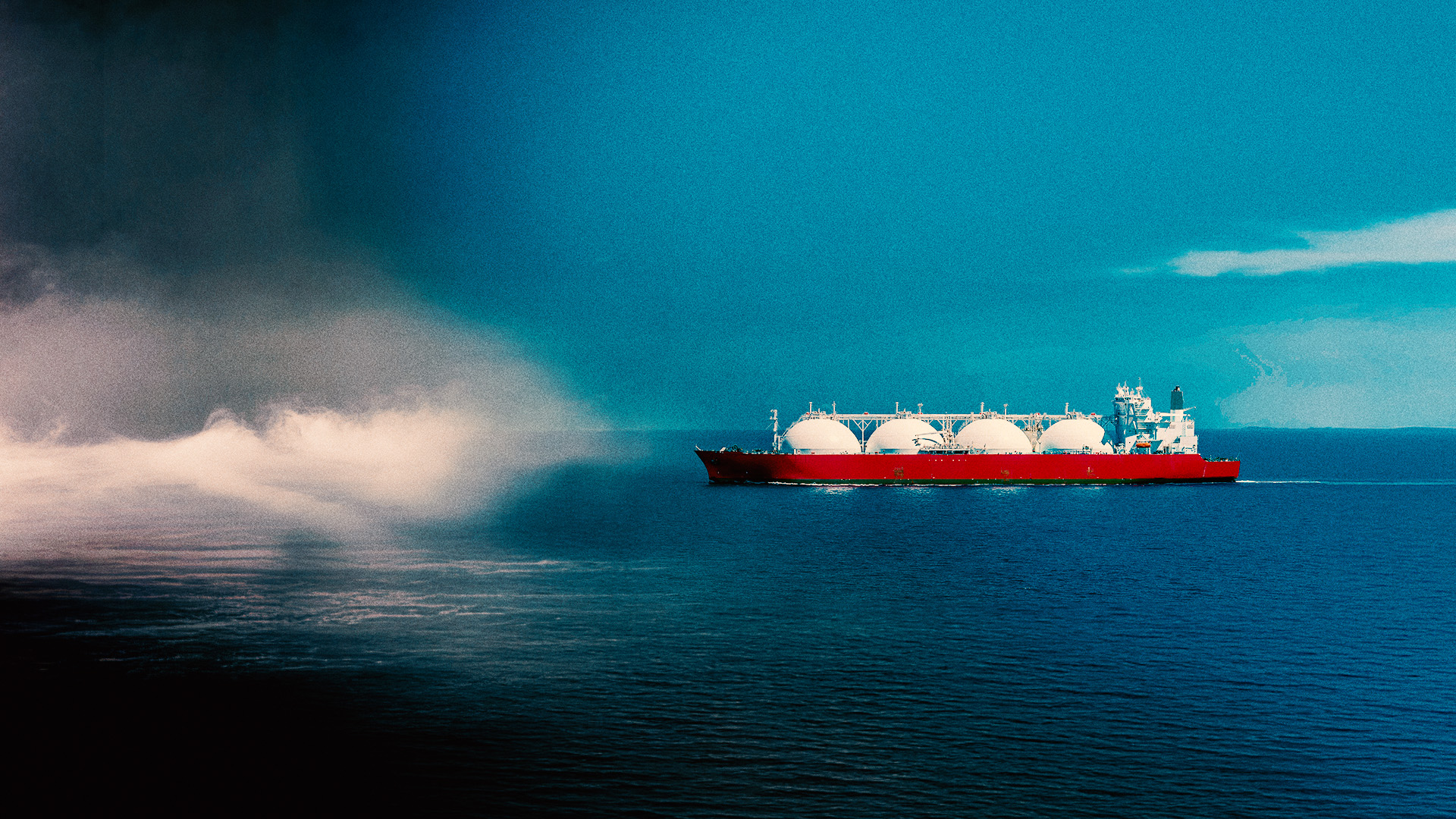
The standoff over Hormuz — through which about a fifth of the world’s oil and liquefied natural gas flowed before the US-Israeli war on Iran began at the end of February — threatens to deepen the global energy crisis and is just one of the unresolved issues, which also include Iran’s nuclear capabilities and Israel’s ongoing invasion of Lebanon.
Commercial traffic through the strait is at a virtual standstill on Monday, with just one oil products tanker seeking to exit the vital waterway and one oil tanker and a liquefied petroleum gas vessel traveling the other way.
The conflict has triggered an unprecedented supply shock, intensifying inflationary pressures and weighing on worldwide economic growth. The cumulative global impact of the war will begin to emerge this week, with business surveys from multiple countries potentially flagging risks of stagflation.
“The market’s still carrying a risk premium into the deadline, but just not fully committing to it,” said Haris Khurshid, chief investment officer at Karobaar Capital LP in Chicago. “If things just continue as they are, you probably see a gradual push higher to around $105–$115, but with a lot of back and forth on headlines.”
©2026 Bloomberg L.P.