

Wealth Tax on the Rich and Nuclear Power: Investor Guide to Danish Vote


(Bloomberg) -- A controversial wealth tax on the rich, lifting a four-decade ban on nuclear power and the future of wind-farm developer Orsted A/S are all in the spotlight in Denmark’s national election on Tuesday.
Prime Minister Mette Frederiksen is bidding to secure a third term in power, with her Social Democrats leading the polls following a recent surge in support stemming from the standoff with US President Donald Trump over Greenland. No rival among the 11 other parties in the running — down from 14 in the previous election — appears close enough to assemble a viable alternative.
The incumbent’s choice will likely be between renewing or expanding her rare cross-bloc coalition or returning to a more conventional, left-leaning government. Frederiksen has signaled she is open to both options. Her current partner, the centrist Moderates led by Foreign Minister Lars Lokke Rasmussen, is poised to play a pivotal role and is expected to back Frederiksen.
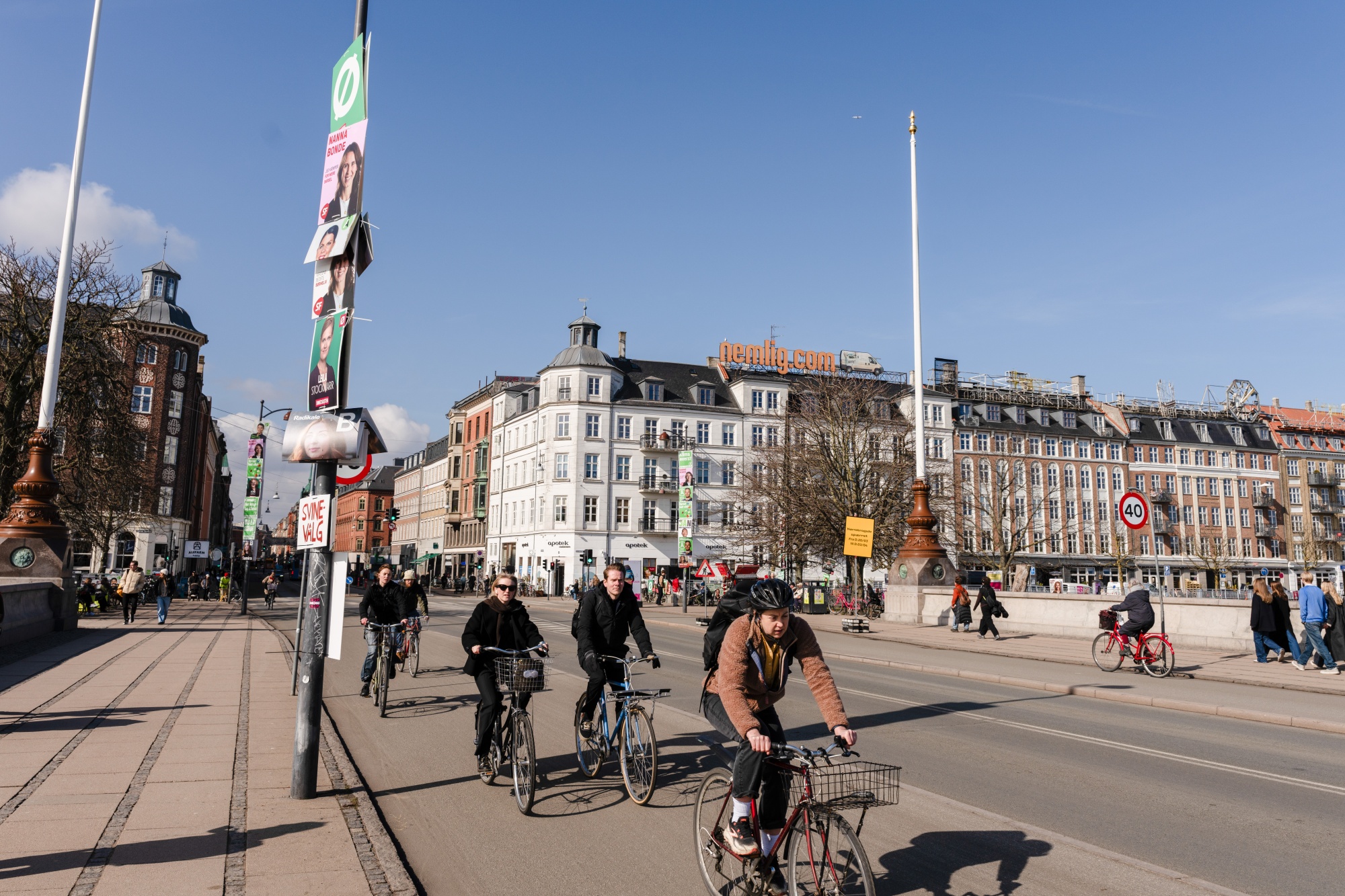
Polling stations close at 8 p.m. local time on Tuesday, and the first exit polls are expected right after.
Here’s a look at the sectors and assets that could be most impacted by the election.
Energy Policy
Public sentiment on nuclear power, banned in Denmark since 1985, has shifted dramatically in recent years, with a majority of Danes now favoring the use of the energy source. The political parties remain split on the issue, but parliament has set up a commission to evaluate its potential role in Denmark’s energy supply. The conclusion is expected shortly after a new government convenes following the election.
The Social Democrats have said they prefer to continue the focus on renewable energy, where Denmark has been a pioneer and has some of the industry’s largest companies, including Orsted and wind turbine maker Vestas Wind Systems A/S.
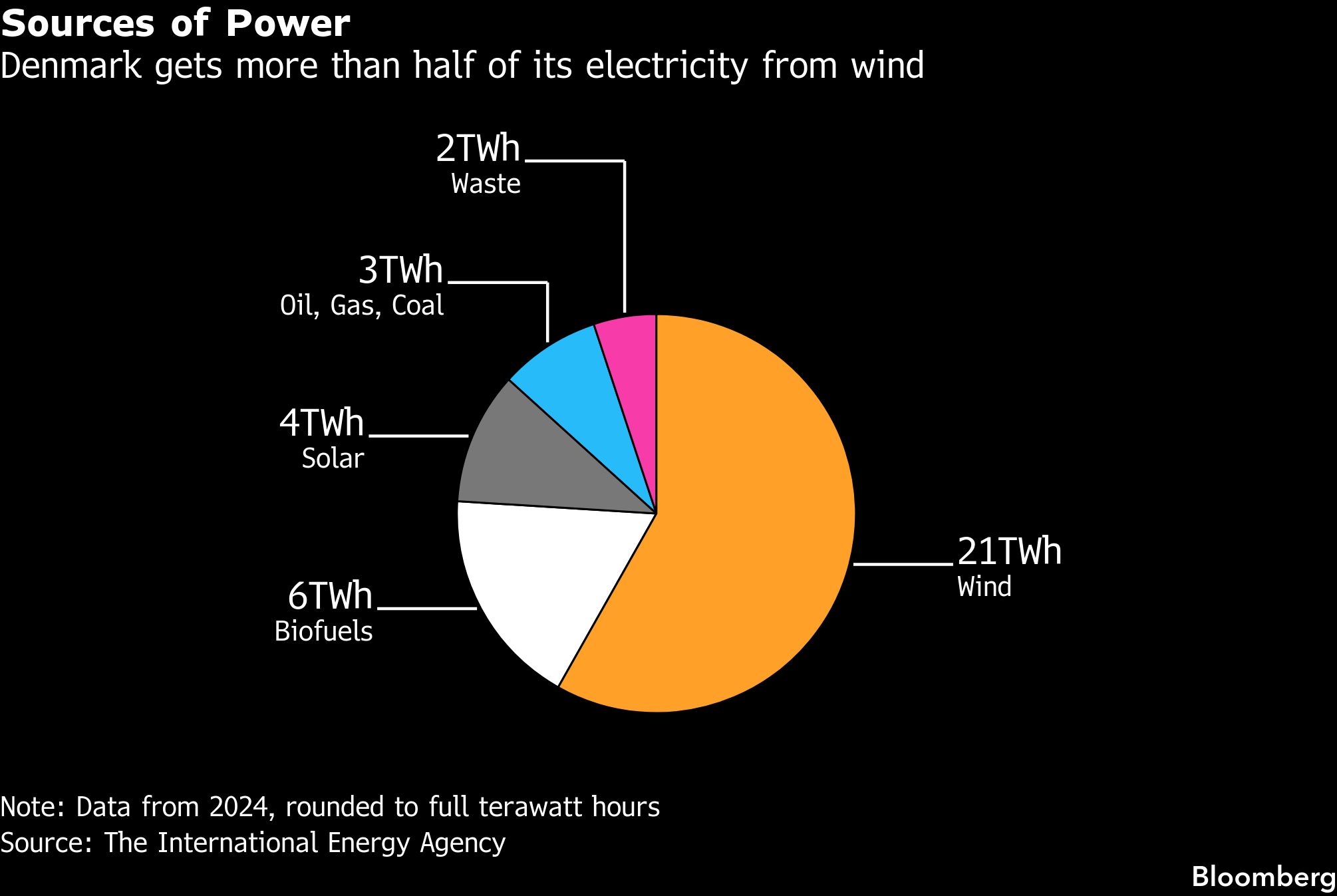
Meanwhile, the right-leaning parties in parliament are in favor, with some arguing nuclear will provide cheaper energy. Even the main owner of Denmark’s drug giant Novo Nordisk A/S has weighed in, saying Denmark needs nuclear to reach CO2 emission reduction goals.
The Novo Nordisk Foundation is now donating to atomic research and has said it will prioritize investments in such startups, of which Denmark has several, including Saltfoss Energy and Copenhagen Atomics.
Wealth Tax
Frederiksen is betting that a controversial proposal to reinstate a wealth tax will resonate with voters and help secure another term. The proposed 0.5% levy on fortunes exceeding 25 million kroner ($3.9 million) is expected to raise about 6 billion kroner — or less than 0.5% of annual tax revenue based on Bloomberg calculations — from roughly 20,000 Danes, with the proceeds earmarked for smaller class sizes in primary schools.
Those affected would include Kjeld Kirk Kristiansen, from the family behind toymaker Lego A/S and Denmark’s richest individual with a net worth of $10.5 billion, according to the Bloomberg Billionaires Index. Others include Niels Louis-Hansen, who controls medical equipment maker Coloplast A/S and has a fortune of $5.4 billion, and Anders Holch Povlsen, owner of clothing company Bestseller A/S, with $5.8 billion.
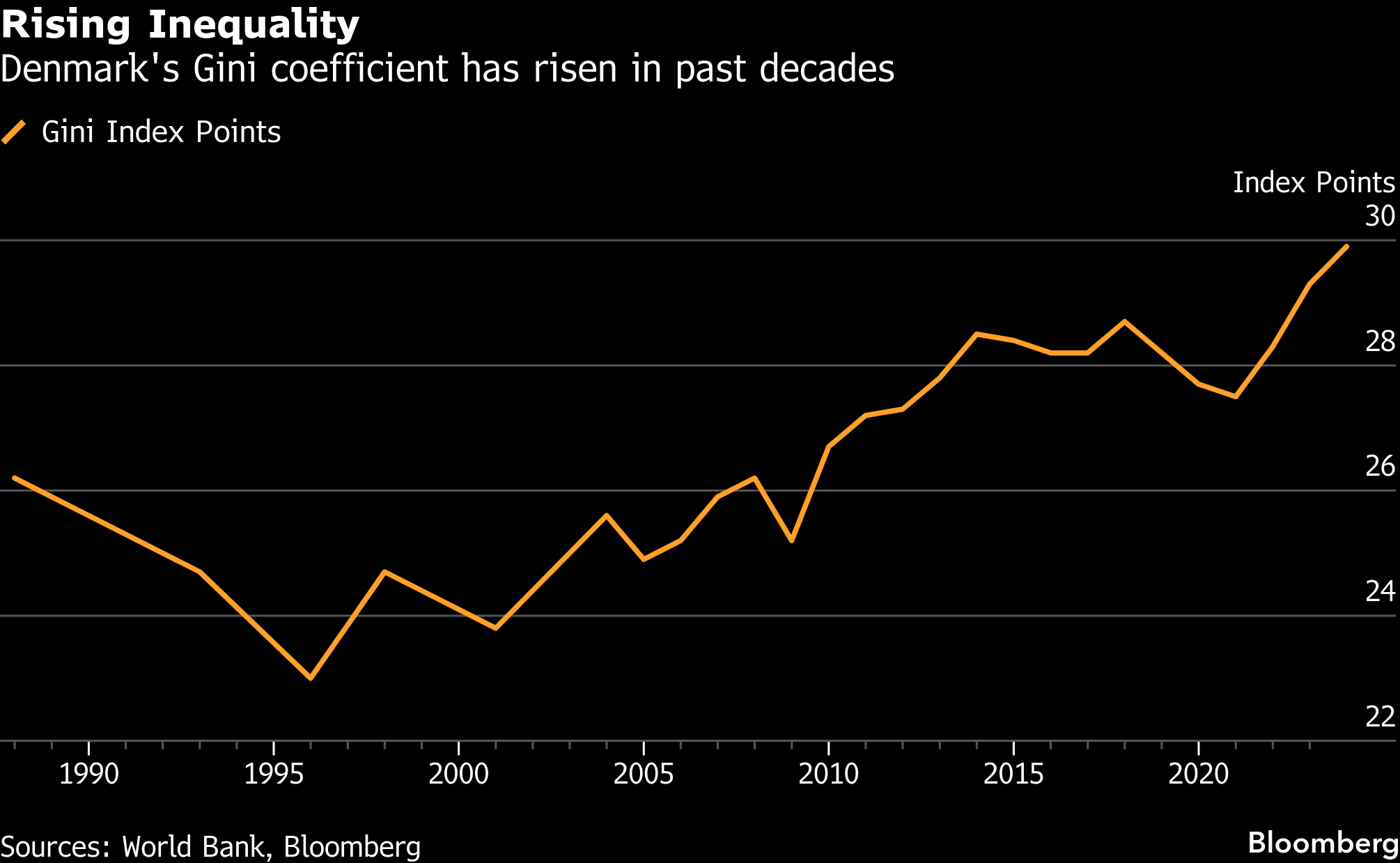
The proposal — mirroring moves of neighboring Norway — has sparked heated debate in Denmark and been rejected by Frederiksen’s two coalition partners, while drawing sharp criticism from business leaders and billionaires, some of whom have threatened to leave the country if it’s implemented.
Orsted’s Future
Public ownership of wind-farm developer Orsted has been a political hot potato in Denmark since Goldman Sachs Group Inc. bought a stake in 2014 and and helped it shore up its balance sheet after a series of failed bets in the natural gas market. Goldman exited the investment in 2017.
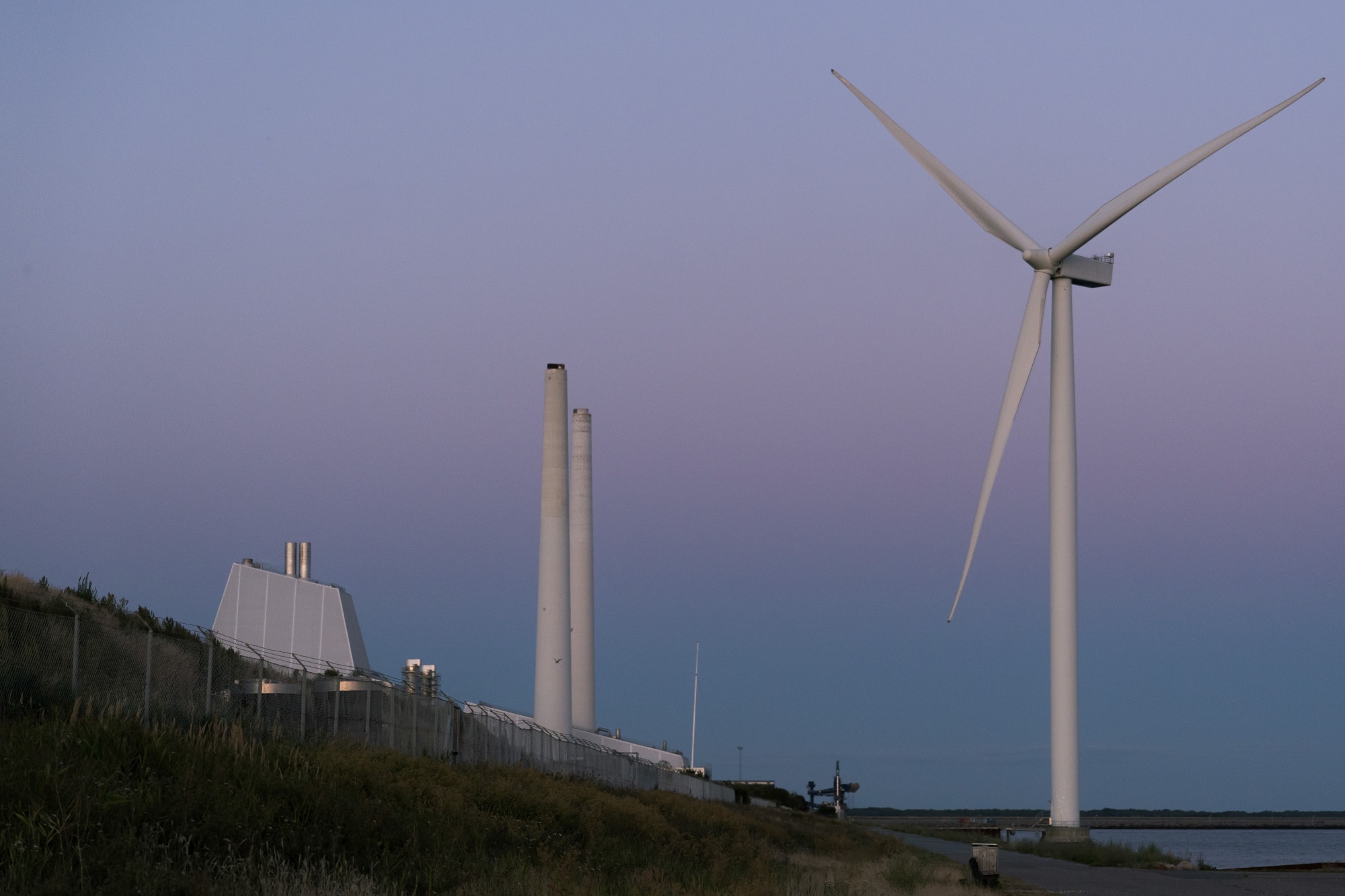
Now, after repeated calls for a government selloff, four right-leaning parties are pushing for a plan to divest the state’s 50.1% stake after the election. A fifth party has said it wouldn’t oppose the move. Together, the five hold about 40% of the current seats in parliament, meaning they would need to get a clear bump in backing from voters to make the plan viable.
The renewed calls for a sale follow the government’s participation in a rescue package for Orsted last fall, when it covered half of a 60-billion-krone rights issue aimed at weathering political headwinds in the US and a broader downturn in the wind-power sector.
The Liberals also campaigned on selling Orsted ahead of the 2022 national election, but shelved the proposal after forming a coalition with the Social Democrats, who oppose a divestment.
Housing
Denmark’s property market is gaining political urgency as rapidly surging prices in Copenhagen are deepening wealth inequality between cities and rural areas, and locking younger and middle-income Danes out of home ownership.
Apartment prices in the Danish capital have spiked about 25% in the past year and put regulators on alert over the risk to financial stability. Lawmakers across the political spectrum agree that action is needed to address the growing housing divide but are split over how.
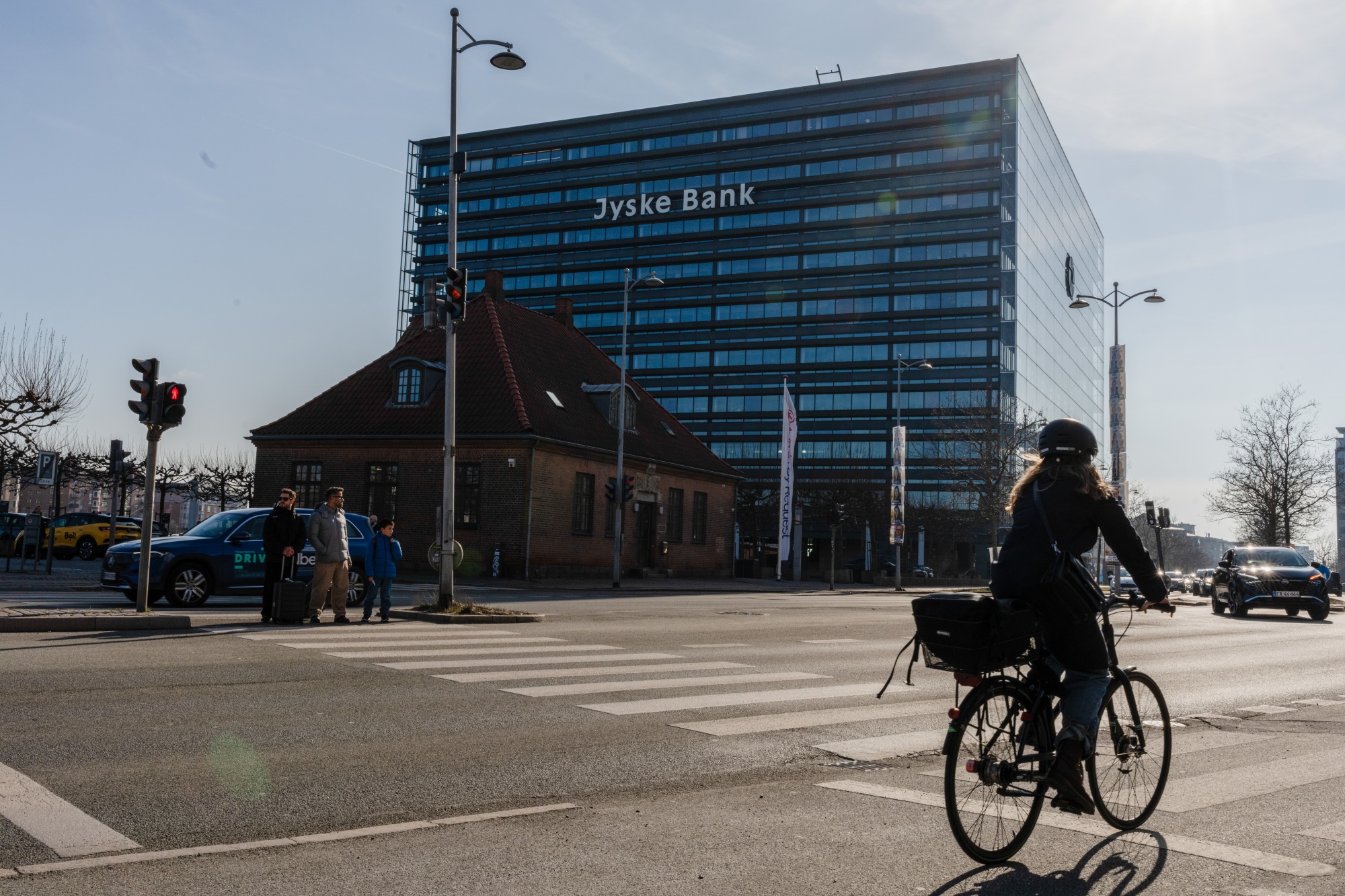
The developments are set to affect the country’s biggest lenders including Danske Bank A/S, Jyske Bank A/S and Nykredit that are cutting prices on mortgage loans to win share in an increasingly competitive market. Denmark has the largest covered bond market in the world, valued at about $500 billion.
The two largest coalition partners are both targeting support for homeowners outside major cities. The Social Democrats plan to expand state-backed guarantees, appoint a single lender to issue such loans and cut taxes on the cheapest homes. The Liberals want a “right to mortgage credit” in rural areas, preventing banks from rejecting applicants who meet standard financing criteria.
Meanwhile, centrist coalition partner the Moderates is pushing to revamp the housing tax system by lowering recurring levies in exchange for taxing capital gains at sale. The idea has sparked a contentious political debate, drawing sharp opposition from right-leaning parties while winning support from parts of the left.
©2026 Bloomberg L.P.








