

Hawaii’s Gas Bid Advances on Japan Plan for Power Plant, Imports


(Bloomberg) -- Hawaii’s long-awaited plans to import natural gas — and burn it to produce electricity — are advancing, with Japan’s largest power-generation company laying out a blueprint for development over the next five years.
Trump administration officials joined representatives of Jera Co. and the state to discuss the proposal in a closed-door meeting Monday. Details of the formal proposal, including plans for a floating offshore facility to process imported liquefied natural gas as well as a power plant to burn the fuel, were made public Tuesday.
The effort comes as Hawaii looks to wean its power system off imported oil and lower costs in the state, where retail electricity prices generally are more than three times the national average. It also dovetails with President Donald Trump’s efforts to capitalize on what he calls American “energy dominance,” with the US producing record amounts of oil and natural gas.
Interior Secretary Doug Burgum, the head of Trump’s National Energy Dominance Council, called the Hawaii plan “transformational.”
“After decades of waiting, Hawaii will finally tap into America’s abundant supply of LNG, one of the most efficient energy sources the United States has to offer,” Burgum said. “Adding LNG to Hawaii’s power mix will lower energy costs and strengthen the stability of the state’s power grid.”
The proposal is the culmination of a strategic partnership sketched out last October, when Jera and Hawaii signed a partnership to explore investments of at least $2 billion to develop LNG infrastructure in the state.
‘Reliable Energy’
Hawaii Governor Josh Green said the plan to overhaul the state’s electric grid represents “a tangible step” to move the state off its historic dependence on oil.
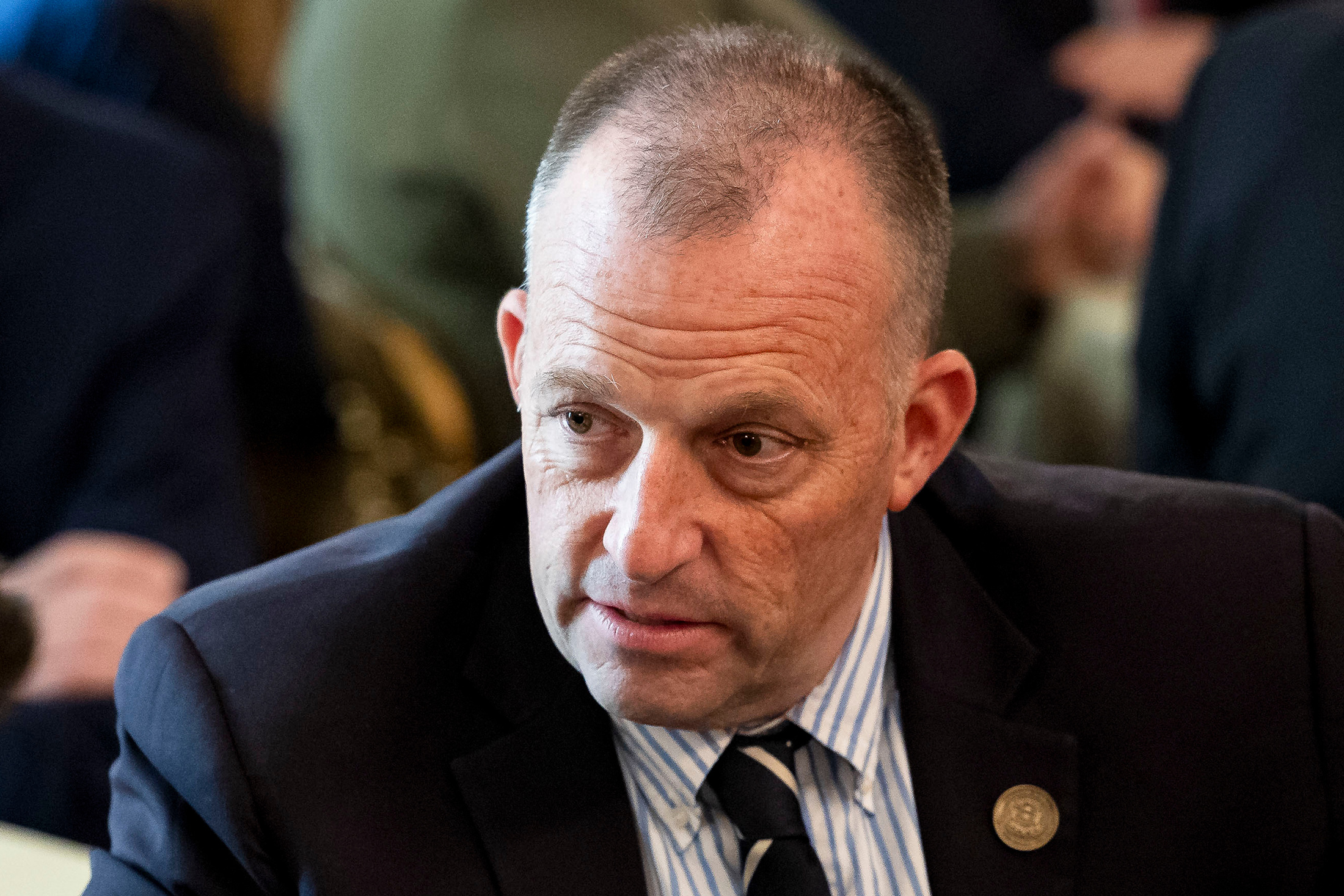
“We are bringing billions of dollars in new energy investments to Hawaiʻi — securing more affordable, reliable energy for the people of our state,” Green said in a news release.
Proponents say that by displacing dirtier-burning imported oil in its power system, the state would curb power plant pollution while bolstering the resilience of its grid and lowering electricity prices. However, opponents, including environmentalists and some residents, argue that new investments in natural gas will only prolong the state’s reliance on fossil fuels, distracting from investments in wind and solar power that are needed to fulfill a Hawaii law requiring all electricity sold in the state come from renewable resources by 2045.
Jera’s proposal envisions the construction of a roughly 500-megawatt hybrid combined-cycle and simple-cycle power plant that would be fueled by imported gas and could ramp up and down quickly in response to swings in demand. Those LNG imports would be regasified at an offshore facility floating nearby.
Project design and permitting would take place over the next two and half years, under JERA’s proposal, which envisions finishing construction of necessary LNG infrastructure and the power plant by 2031.
Normally, a US LNG import project taking in American gas would be subject to Jones Act requirements that any goods carried between US ports be shipped on US-flagged, -crewed and -constructed vessels. That’s a challenge given that most of the world’s LNG carriers have been built in South Korea or Japan and don’t comply.
However, Jera told administration officials on Monday that it intends to source the gas from its global LNG portfolio and will not ask for Jones Act waivers, according to people familiar with the matter.
In that closed-door meeting on the initiative Monday, talks were infused with a sense of urgency, driven by the war in the Middle East that has disrupted oil and gas operations — and refocused concerns about supply chains tied to a single region or type of fuel. Green emphasized the importance of secure, reliable and affordable energy for the state, with a Jera representative calling the support unprecedented, according to a person familiar with the talks.
The venture is advancing in the wake of Japan’s commitment to invest some $550 billion in the US, as part of a trade agreement reached last year. Japanese Prime Minister Sanae Takaichi is set to discuss investment plans during a planned White House meeting with Trump later this week.
Now that Hawaii’s governor and the state energy office have officially received the proposal, a filing will be submitted to state utility regulators. For now, the proposal remains in planning stages, as neither Jera nor any other company has finalized an investment decision.
Previous, similar efforts have faltered. Utility Hawaii Electric once explored the idea of bringing LNG to the islands, but the push was abandoned in 2016 amid limited political support.
©2026 Bloomberg L.P.








