

PG&E’s Plan to Counter Break-Up Push Includes Lower Power Bills

(Bloomberg) -- PG&E Corp. head Patti Poppe says her company’s best defense against politicians vowing to break it up is to lower her customers’ bills.
California’s largest utility finds itself under attack, five years after it emerged from bankruptcy. Billionaire investor Tom Steyer, now running for governor, airs TV ads pledging to end the company’s monopoly and make electricity more affordable. Officials in PG&E’s former hometown of San Francisco, angered by a recent blackout that darkened a third of the city, want to seize its equipment.
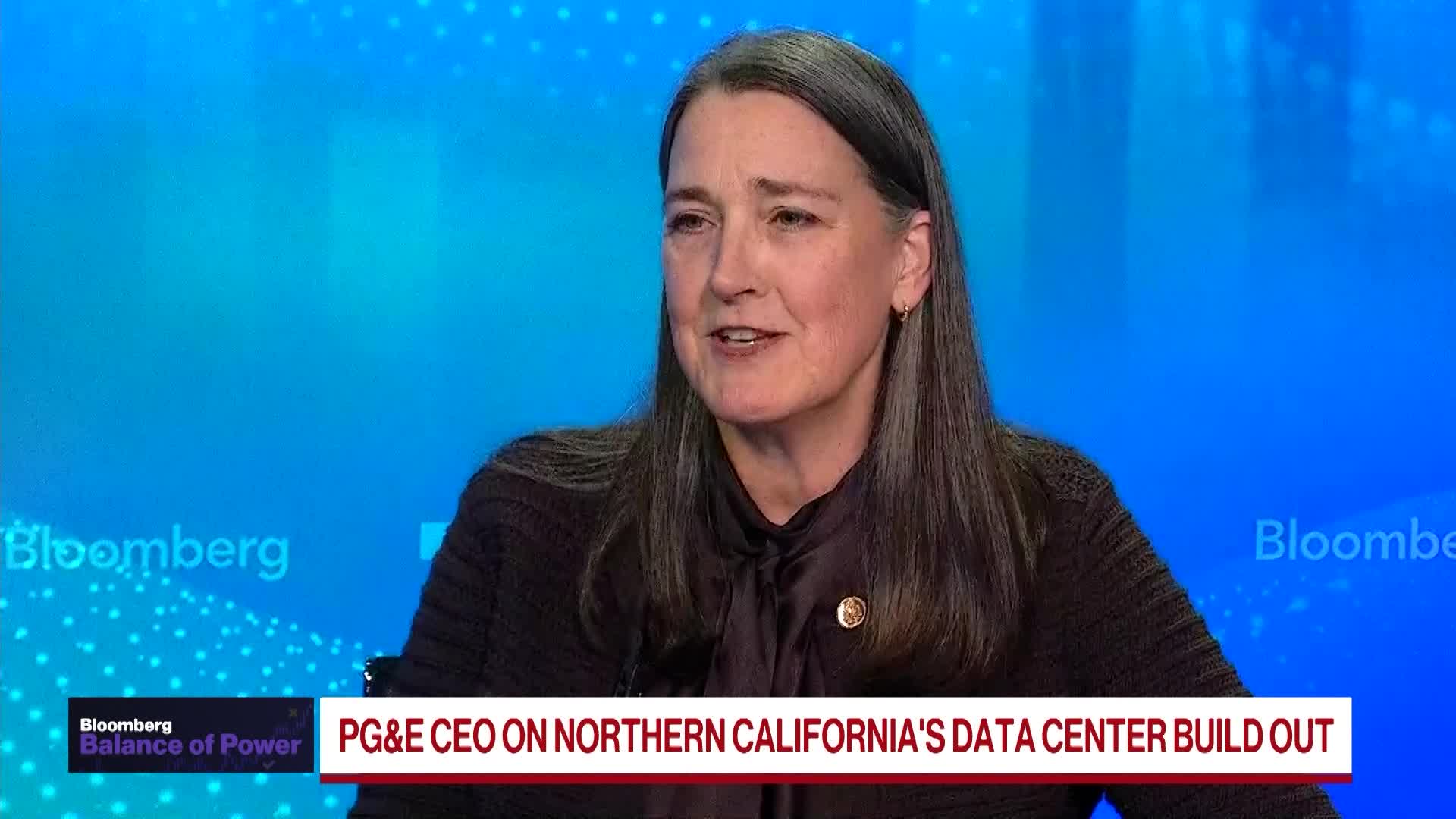
Poppe, the utility’s chief executive officer since 2021, says PG&E is focused on delivering reliable service and steady bills, after years of increases. Those elements are key to winning back customer trust, battered after a string of devastating wildfires blamed on the company’s equipment. “Our answer has to be performance, and performance is power,” she said, during an interview with Bloomberg News in San Francisco. “Our customers have made it clear they do want bills to stabilize.”
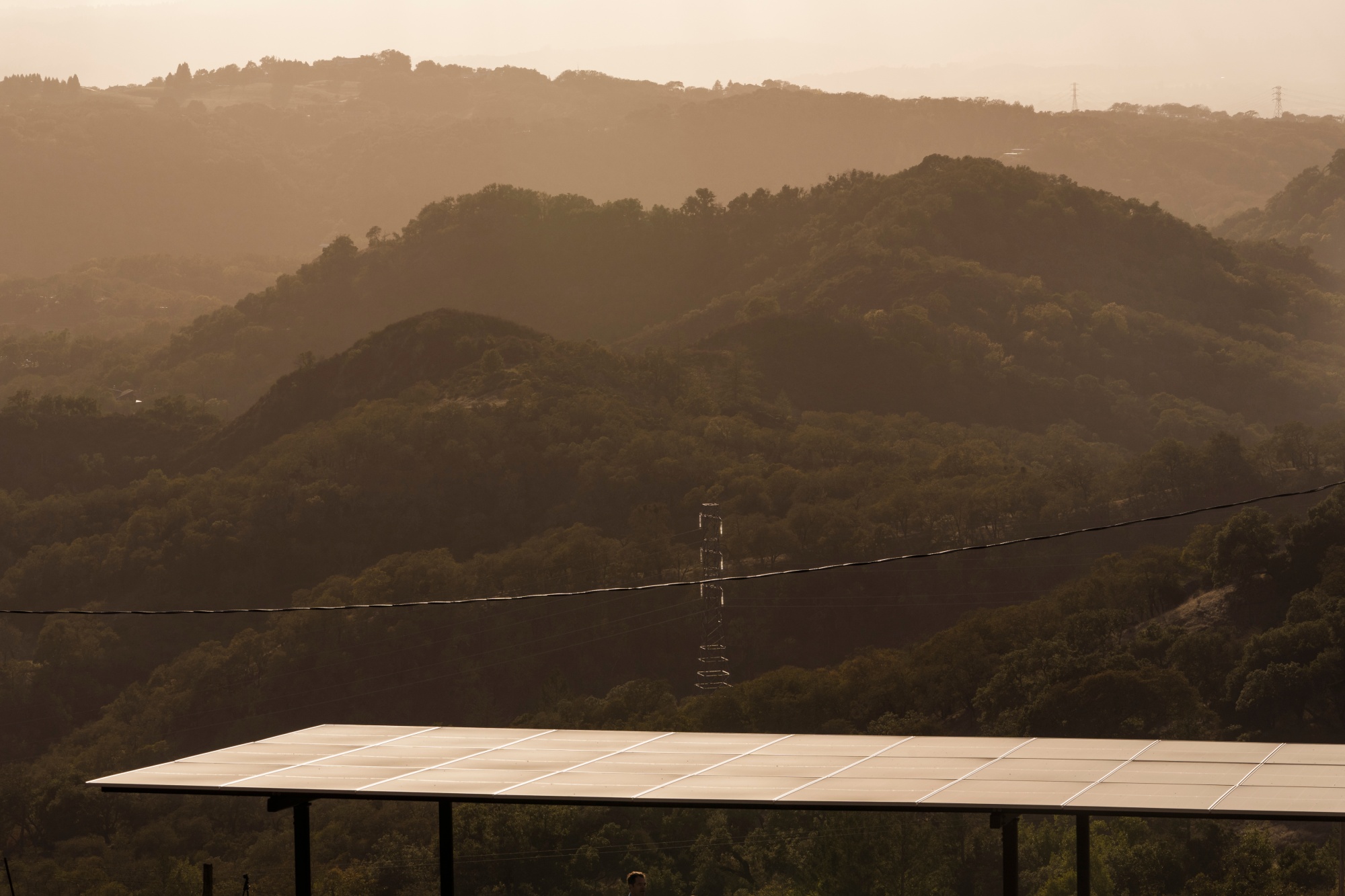
PG&E’s electric rates more than doubled between 2016 and 2024, as the state ordered the company to pour more money into wildfire prevention and infrastructure upgrades. Since then, however, residential rates have dropped about 11%, according to the company, and PG&E is seeking regulatory approval to keep them level through 2027.
That hasn’t prevented politicians from taking aim at PG&E.
Steyer paints the company as part of California’s affordability crisis, calling on the state to break up “the monopolistic power of utilities” in campaign ads that pledge to cut electric bills 25%. In the wake of a December blackout that plunged 130,000 PG&E customers into darkness, Steyer renewed his call to “smash the utility monopolies.”
“We believe it is no longer enough for utilities to say they care about affordability; regulators and investors will demand proof of proactive behavior,” wrote Jefferies Financial Group Inc. analysts in a January note.
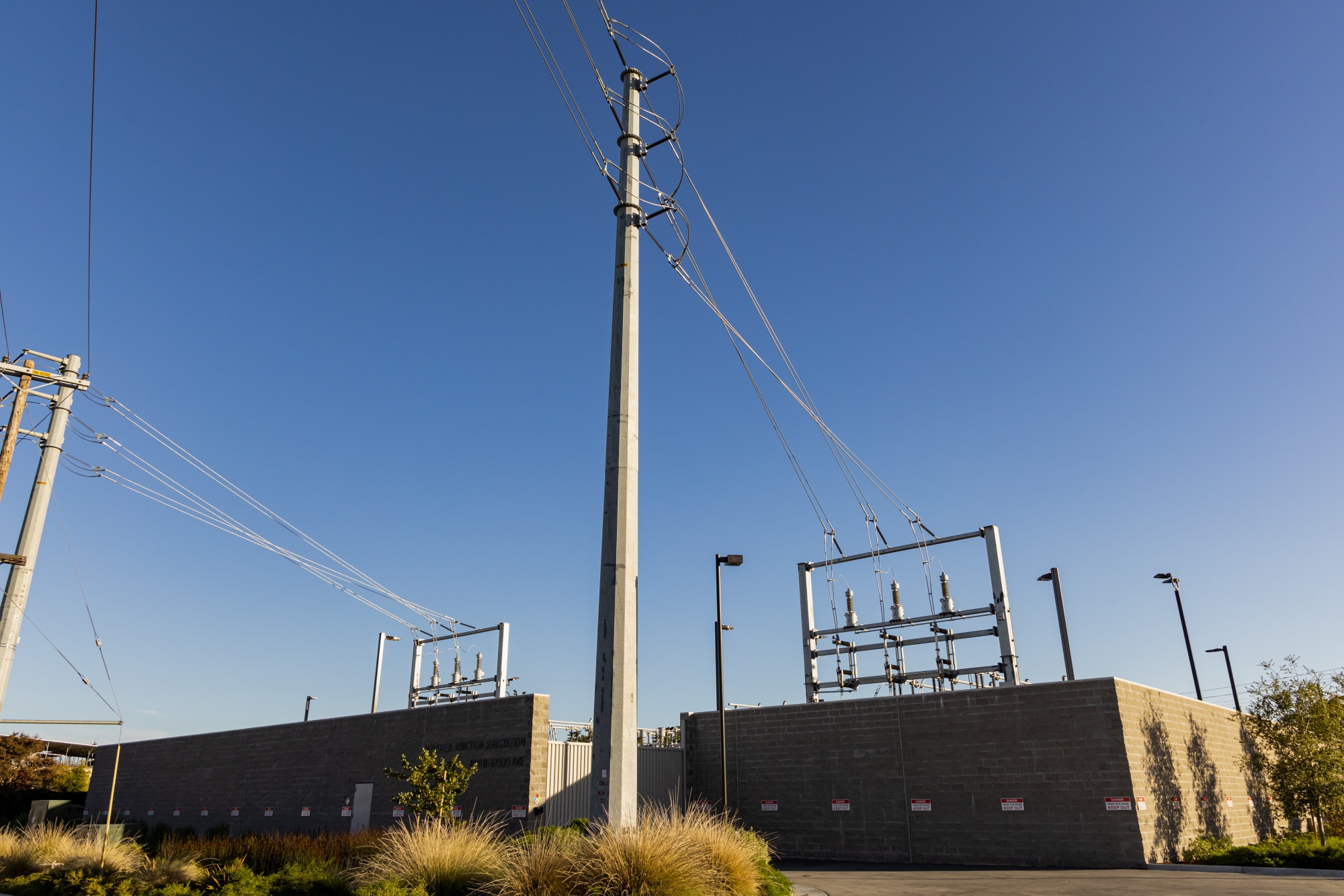
Poppe, however, says data centers can actually lower electricity bills by spreading out the cost of new infrastructure. She estimates that for every additional 1 gigawatt of electricity demand added to the grid (roughly the output of a large nuclear reactor), customer bills will drop 1%. Most of the new data centers requesting service from PG&E need about 100 megawatts, she said, calling that a “Goldilocks” level of demand. “It’s big enough to help, but small enough not to be trouble,” she said.
State officials have discussed breaking up or taking over PG&E in the past, never proceeding with the idea. Governor Gavin Newsom, now weighing a presidential run, dismissed the possibility Thursday in an interview at Bloomberg’s San Francisco bureau, saying the state was still trying to reform its Department of Motor Vehicles. “I’m not convinced” the state wants to get into the utility business, he said.
Poppe said the company needed to prove its worth to any communities thinking of breaking away. She cited PG&E’s improved relationship with San Jose, which pushed to municipalize the utility in the wake of the 2019 bankruptcy.
“We got in there and we served them right, and we showed them what a good utility looks like, and they realized they needed us,” Poppe said. “We want to have that same relationship statewide with all of our communities.”
©2026 Bloomberg L.P.