

Chile Cools on Climate, Penguins in Risk to Green Credits


(Bloomberg) --
President José Antonio Kast’s pledge to ease environmental regulations to boost investment threatens to have unintended consequences for Chile — pushing up borrowing costs in a nation that has pioneered green debt sales in the region.
Within days of coming to office, Kast’s administration withdrew dozens of environmental decrees and suspended the designation of new biodiversity zones, promising a review. Among the natural assets in focus are Humboldt penguins and an endangered frog species first discovered by Charles Darwin. The moves are part of Kast’s broader pledge to slash red tape, revive growth and narrow the widening budget deficit.

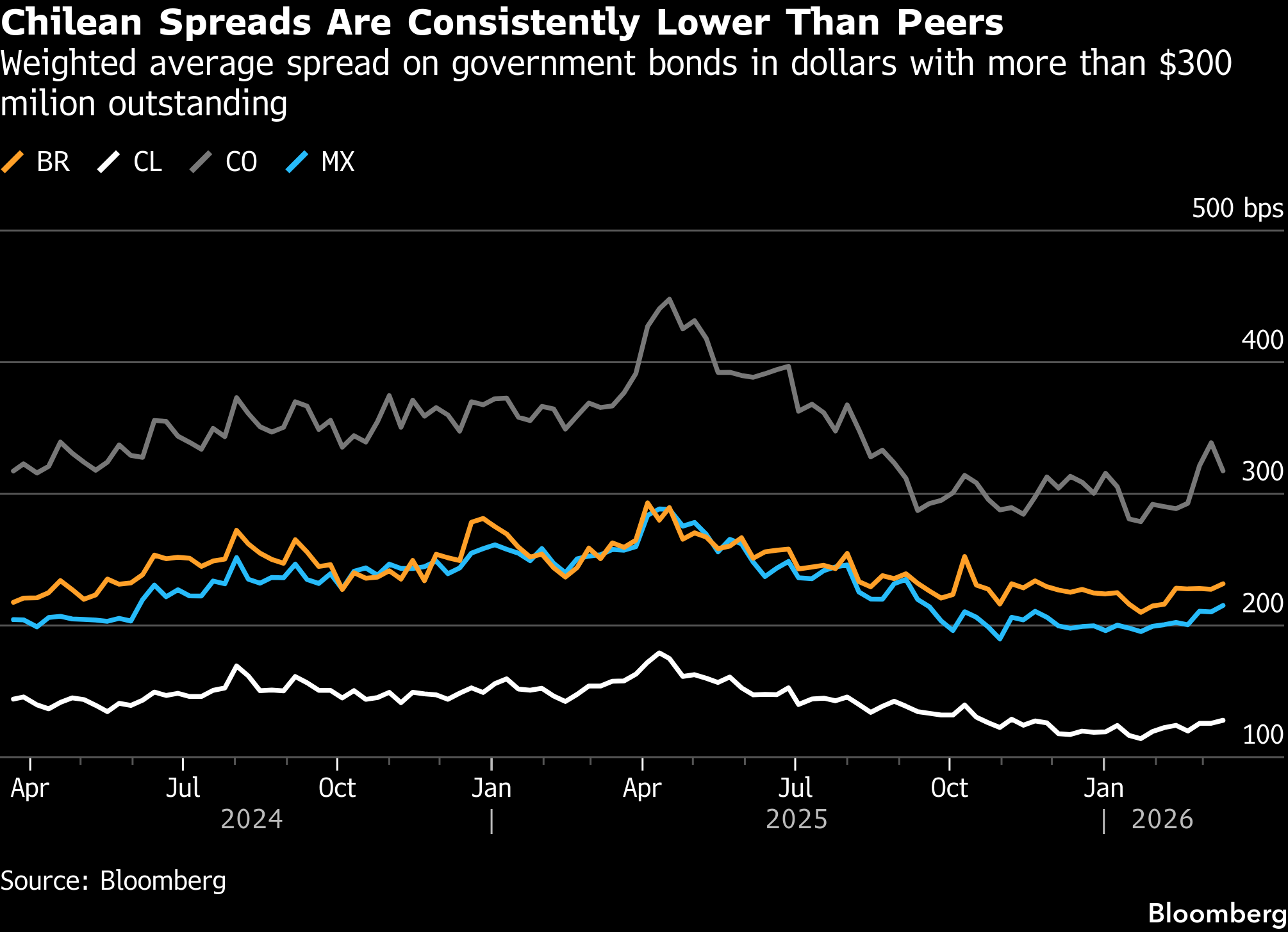
But there’s a catch. Chile has some of the cheapest borrowing costs in Latin America because of its low debt burden, but also because it has proved adept at selling bonds associated with environmental, social and governance goals. Almost 40% of its outstanding debt is tied to targets such as reducing greenhouse emissions and improving gender equality, far higher than any other major country in the region.
“The biggest impact would probably be reputational, given that Chile has built up a very strong reputation in the sustainable bond market,” said Kathrin Muehlbronner, senior vice president of the sovereign risk group at Moody’s Ratings.
The South American nation issued $1.5 billion in bonds in January with two biodiversity “key performance indicators” — at least 30% of national land should be protected by 2030 and at least 10% of that land should be “effectively managed” to ensure its protection. If the government fails to reach those targets, it has to pay investors a step-up in the coupon payments of 25 basis points starting in 2032.
Those extra future payments would equal a present value of $13.7 million, according to calculations by Bloomberg.
The government’s announcement on Tuesday drew an immediate outcry from environmental groups. At a seminar Thursday morning, Kast’s Finance Minister Jorge Quiroz said not all of the withdrawn decrees will be eliminated. The Comptroller General’s Office confirmed that it had already processed and approved one protecting Darwin’s frog.
“The (environment) minister needs to responsibly examine those decrees that were all submitted rather hastily on March 8th,” Quiroz said.
Volte-Face
Kast, a proponent of free markets, came to office on March 11, taking over from leftist Gabriel Boric. The business community and right-wing politicians have blamed regulations and bureaucracy for stifling investment.
Kast’s approach is bearing fruit, with two mining companies presenting expansion plans to environmental regulators in the past week worth as much as $13.4 billion in investment.
But some are balking at Kast’s intervention.
“Chile needs to grow and attract big investments with agility, but that progress can’t come at the cost of its natural heritage,” Evelyn Matthei, a former presidential candidate for the right, said this week in response to the suspension of the decrees.
Chile became the first country in the world to borrow debt linked to specific sustainability targets, known as key performance indicators, in 2022. That is the type of debt it sold again this year.
Under the broader ESG category, Boric’s government sold more than $40 billion in bonds. So Kast’s move to backtrack on new environmental controls marks a sharp contrast with Boric’s legacy.
“It is evidence of the shifting political momentum for sustainability in Chile,” said Victor Laudisio, a nature specialist at S&P Global Ratings. “The stock of sustainable bonds will gradually shift throughout this year, and next year they might decrease the stock as a percentage of total debt.”
Other countries have already taken a step back on this type of borrowing at a time when US President Donald Trump encourages fossil fuels and dismantles clean-energy subsidies and legislation. Globally, sustainability-linked bond issuances fell in 2025 to its worst year since 2020, according to a BNEF report. In addition, US green debt issuances fell 7% to $163 billion.
Step-Up
Kast’s first actions will make it harder for Chile to achieve the key performance indicators tied to this year’s $1.5 billion bond sale.
As of April 2024, only 21.6% of Chile’s terrestrial land was protected, way below the 2030 target of 30%. More areas were designated as such in 2025 and 2026, but some of them were among the 43 environmental decrees the new administration halted in the Comptroller General’s Office — where they were under review — last week. Several of the decisions that were suspended had declared salt flats and lagoons as national parks or reserves. Some of Chile’s salt flats hold rich deposits of lithium.
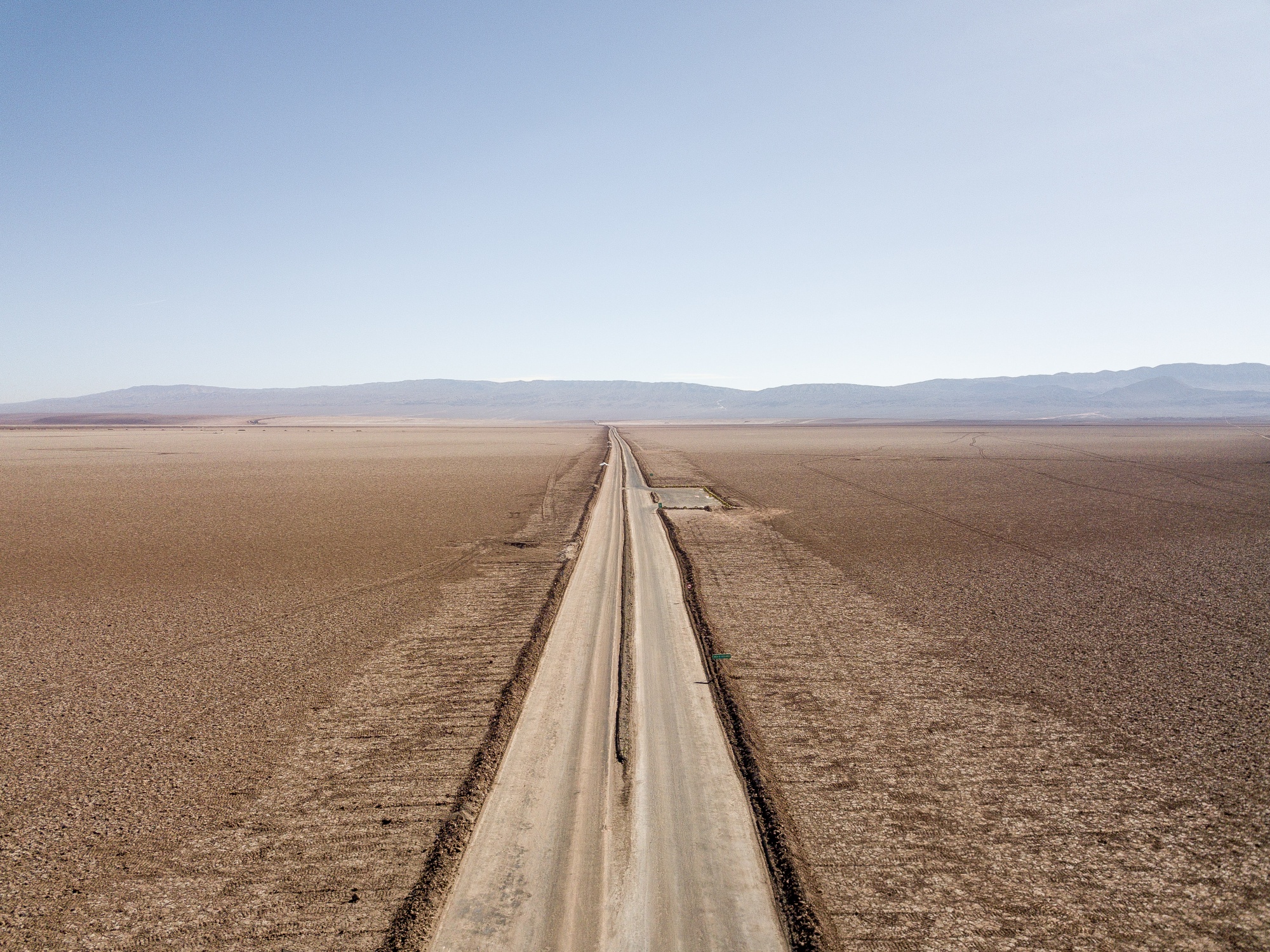
The second target to raise the amount of protected land under “effective” environmental management to 10% is even less likely. The total currently stands at zero and the process to determine priority sites under a new biodiversity protection law was suspended last week. The law was expected to come fully into effect in 2027.
“We definitely don’t see the new law being fully operational next year,” Laudisio said. “There are subsets of 15 regulations for it to be fully operational and only one was published.”
The Finance Ministry and the Environment Ministry didn’t respond to a request for comment.
For the moment, Chile is among the 10 countries doing the most to limit global temperature increases caused by greenhouse gases, plowing billions of dollars into renewable energy, according to Climate Action Tracker. But that reputation can’t be taken for granted.
“We cannot risk Chile’s status, Chile’s credibility,” said Sara Larraín, director of the Chile Sustentable foundation. “I find it extremely dangerous.”
(Updates with investment projects in the 10th paragraph. An earlier version of this story corrected the species of penguin)
©2026 Bloomberg L.P.