

East Europe Braces for Power Curbs With Danube at Record Low


(Bloomberg) -- Eastern European consumers are bracing for potential electricity restrictions as record low water levels in the River Danube curbed nuclear power output.
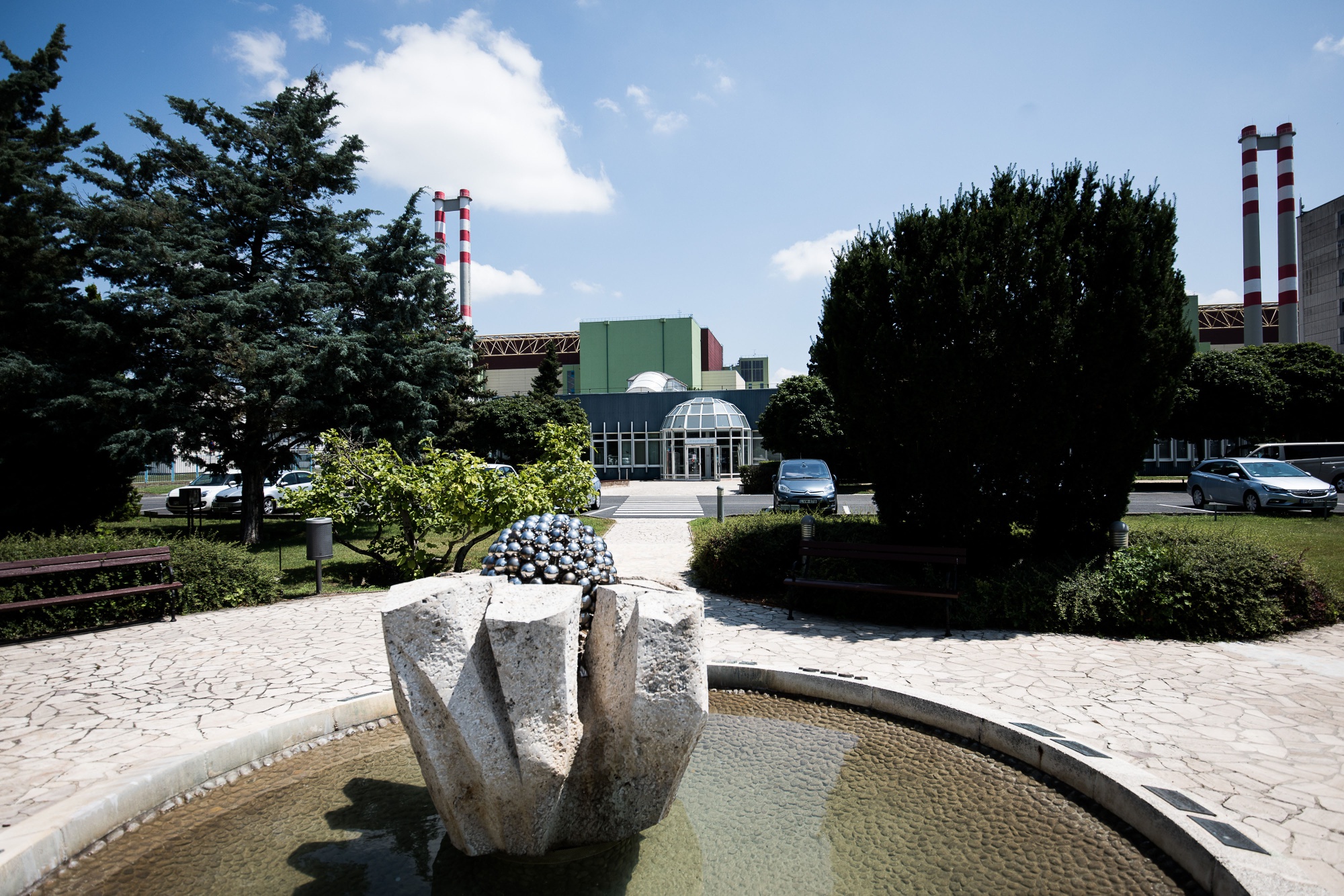
Hungary has asked large industrial companies, including carmakers and battery firms, to limit their power consumption as the Paks atomic facility will be shut down for the first time ever because of a shortage of water for cooling, Prime Minister Peter Magyar said on Thursday. The operator of the plant, which provides over 40% of the country’s electricity production, said it will have to be temporarily halted within 72 hours.
Europe has been seared by a succession of heat waves this summer, straining vital waterways, disrupting energy supplies and driving deadly fires. The consequences are rippling through the Danube basin as another blast of extreme heat builds. The Rhine, another key transport artery, is also on track to reach a record low.
In Romania, where the Danube spills into the Black Sea, interim Prime Minister Ilie Bolojan asked citizens to reduce their electricity consumption, especially at peak hours. One of the two nuclear reactors at the Cernavoda plant was shut down this week, forcing the country to buy more expensive imported power.
“So far, we don’t have any issues in securing imports, but such problems may appear in the following period,” Bolojan said in an interview for Digi 24 TV station late on Wednesday.
A decision on whether to shut down the second reactor could happen at “any time” if water levels in Europe’s second-longest river continue to decline, according to the plant’s operator, Nuclearelectrica.
This summer’s heat waves have also forced France to curb power output from its nuclear fleet, which forms the backbone of Western Europe’s power system. Power stations draw cooling water from rivers and there’s a risk that as temperatures rise the discharge will get too hot, threatening wildlife.
In Serbia, the Danube is also close to record low and water supply restrictions are almost certain in August, hydrologist Dejan Vladikovic told state broadcaster RTS. The country’s biggest hydropower plant, Djerdap 1, on the Danube, is currently operating at only a third of its capacity.
The Danube in Bratislava, Slovakia recorded its lowest average July flow in the 125-year history of measurements, exposing large sections of riverbed. Further downstream toward Hungary, some river boats can no longer navigate stretches of the river.
Slovakia’s five nuclear reactor units continue to operate without restrictions. Operator Slovenske elektrarne said that’s because of cooling systems that’s less dependent on current river flows.
However, hydropower production has declined. The Gabcikovo Waterworks is operating just one of its eight turbines, state-owned Slovensky vodohospodarsky podnik told Bloomberg.
Moldova, one of Europe’s poorest countries which relies heavily on power imports from neighboring Romania and Ukraine, is also urging its citizens to reduce consumption.
“The situation on the Danube could temporarily reduce the availability of power in the region and could lead to higher prices, especially in the peak hours,” said Moldovan Energy Minister Dorin Junghietu.
(Updates with comments from Hungarian premier in second paragraph, Moldovan energy minister in last.)
©2026 Bloomberg L.P.