

To Lower Electricity Costs, Consumers Quietly Install DIY Solar

(Bloomberg) -- As electricity prices soar and rooftop solar subsidies vanish, some US renters and homeowners are surreptitiously installing solar panels on balconies and backyards without their utility’s permission. Legislation recently introduced in nearly two dozen states would legalize “plug-in solar” systems, jumpstarting a nascent market for an affordable source of renewable energy.
Also called balcony solar, such systems usually comprise two to four solar panels that are plugged into wall outlets. They typically cost about $2,000 or more and generate enough electricity to power a refrigerator, electronics and lights, potentially shaving several hundred dollars a year from utility bills. Some plug-in solar systems come with batteries to store power for use during peak demand when electricity rates spike and when storms or heat waves knock out the grid.
Millions of balcony solar systems have been deployed in countries like Germany, which regulates the technology. But only about 5,000 have been installed in the US, according to advocates, most without utility authorization. That’s because plug-in solar has remained in the shadows due to a lack of safety standards and often costly requirements imposed by utilities, but that’s changing. Utah in 2025 enacted a law allowing plug-in solar without utility approval and other states are considering similar legislation, including New York and California, the nation’s largest solar market.
“The impact of California passing legislation would be huge and will get manufacturers to come into the market,” said Kevin Chou, cofounder and executive director of Bright Saver, a Bay Area nonprofit that sells do-it-yourself plug-in solar systems and has pushed to legalize the technology.
Under the legislation introduced in January in California, residents could install plug-in solar systems without utility authorization. But those systems couldn’t generate more than 1.2 kilowatts of electricity and must be certified by a nationally recognized testing lab. Legislation in other states contains similar requirements.
Utah’s Republican-dominated legislature unanimously approved a plug-in solar bill in 2025 and the state’s Republican governor signed it into law. Although pro-renewable energy Democrats hold a supermajority in the California legislature, the bill introduced by state Senator Scott Wiener, who is running to replace US Representative Nancy Pelosi, is likely to face opposition from some landlords, homeowners associations and utilities, according to Chou.
Utilities have expressed concern about plug-in solar’s impact on the ability to balance the grid if the systems feed excess electricity to the network without their knowledge. Landlords may worry about solar panels falling off balconies or how they change the look of a building, he said. Homeowners associations, which regulate everything from house colors to landscaping, may object to the aesthetics of backyard solar
Some 13 million California property owners are governed by homeowners associations and a lobbying group for those organizations is still evaluating the bill’s potential impact, according to Pam Richardson, a spokesperson for the California Legislative Action Committee of the Community Associations Institute. The California Apartment Association, which represents rental building owners, also has yet to take a position on plug-in solar.
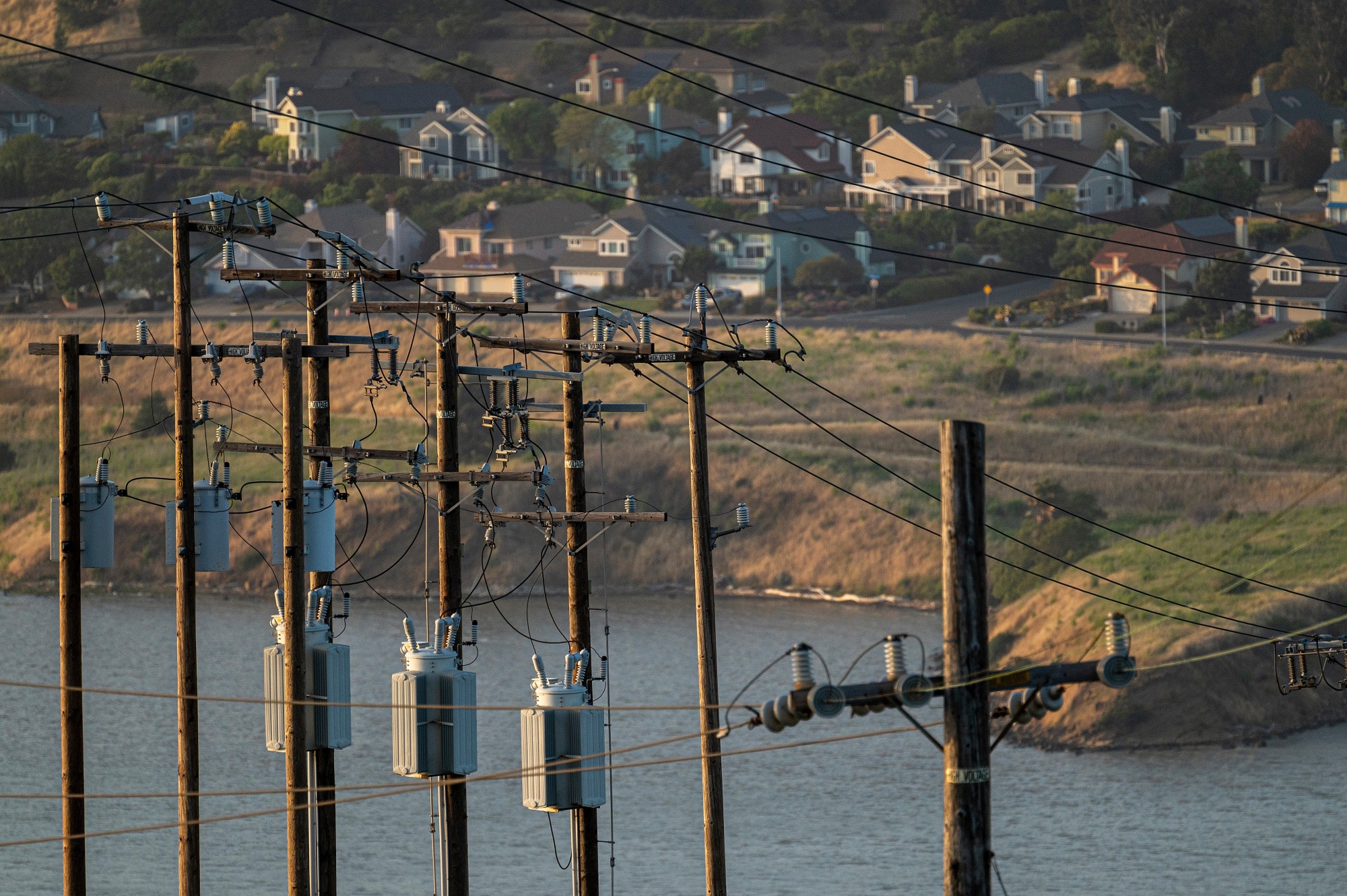
California’s three big investor-owned utilities currently require plug-in solar owners to apply and secure approval to interconnect to the grid, just as owners of rooftop solar must do.
“When these systems are not compliant with established safety standards, they can unintentionally energize power lines, endanger workers, damage equipment, and disrupt service for entire communities,” Paul Doherty, a spokesperson for Pacific Gas & Electric Co., said in an email, adding that the company is still reviewing the legislation.
Chou estimates that more than a thousand plug-in solar systems have been installed in California. But PG&E and San Diego Gas & Electric have yet to receive any interconnection applications for the equipment, according to spokespeople. Jeff Monford, a spokesperson for Southern California Edison, said “it’s possible but unlikely” that the utility has processed such requests.
He said Southern California Edison hasn’t yet taken a position on the legislation. San Diego Gas & Electric spokesperson Anthony Wagner said the company would work with the bill’s sponsors to “shape a proposal that advances clean‑energy adoption while keeping safety and grid reliability front and center.”
Testing firm UL Solutions on Jan. 8 announced a certification program for plug-in solar systems. The program ensures that plug-in solar products don’t pose shock or fire hazards by overloading a home’s circuits. Ken Boyce, a vice president for engineering at UL Solutions, said some systems currently on the market that the lab has assessed don’t meet its safety standards. That includes the use of a specialized plug and outlet so solar systems can only be connected to a particular dedicated circuit that prevents overloading the electrical panel.
“That UL standard is so people cannot take solar panels and plug them in anywhere where it might not be safe,” said Bright Saver cofounder Rupert Mayer, who estimates the plug-in solar system in his Berkeley, California, backyard could save him about $1,000 a year on his utility bill.
©2026 Bloomberg L.P.








