

Oil Climbs Following Fresh Clashes Between US and Iranian Forces


(Bloomberg) -- Oil climbed as renewed clashes between US and Iranian forces clouded the outlook for a deal to end the 10-week war.
Brent rose as much as 2.9% toward $103 a barrel before paring gains, while West Texas Intermediate was near $96. US forces struck military targets in Iran after the country fired on three Navy destroyers sailing in the Strait of Hormuz, US Central Command said. Still, the command added that it “does not seek escalation,” although it remained ready to protect American forces.
President Donald Trump said the three warships had successfully exited the waterway, and were undamaged following the attacks, according to a social-media post. On Iran, he added: “We’ll knock them out a lot harder, and a lot more violently, in the future, if they don’t get their Deal signed, FAST!”
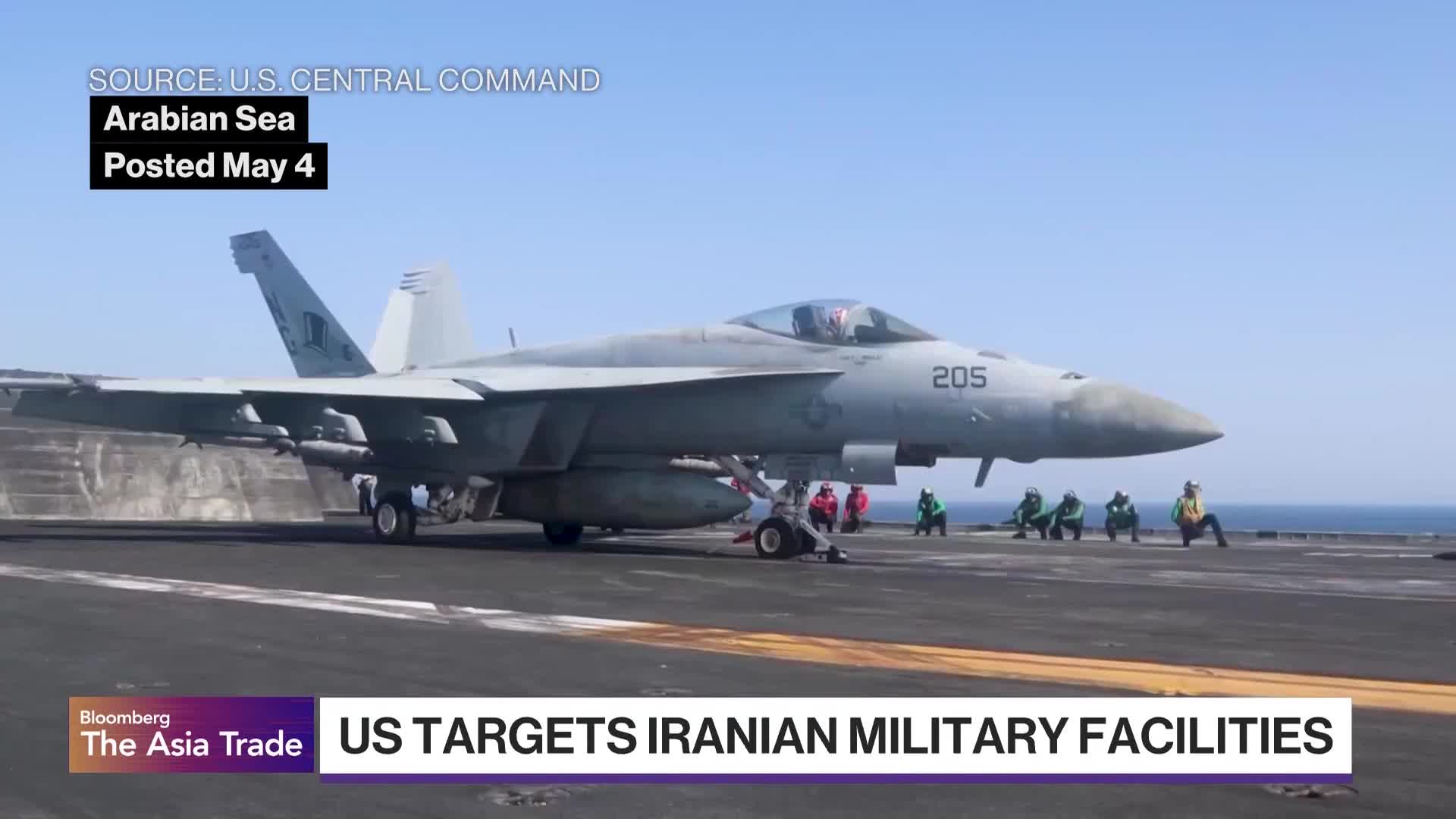
The oil market’s focus remains on the strait, which has been effectively closed since the war began at the end of February. That’s triggered an unprecedented supply shock, with flows of crude choked off and wells across the region shut in. The waterway faces a double blockade, with Tehran obstructing traffic, while US prevents ships calling at or leaving Iranian ports.
“Oil is trading between two risks: diplomacy on one side and another escalation on the other,” said Charu Chanana, chief investment strategist at Saxo Markets in Singapore. “Markets are still giving the peace proposal a chance, but not enough of a chance to take the war premium out.”
The latest clashes heighten tensions across the region, as the US tries to exit the war that’s imposed an increasing burden on consumers as retail gasoline and diesel prices spike. This week, the Trump administration has been waiting for Tehran to respond to its proposal to reopen the trade route, with Iran’s leaders yet to indicate whether they’ll accept the terms.
Trump told reporters late Thursday that the ceasefire with Iran was still in effect, despite the back-and-forth. He added there was no need for curbs on US crude or jet fuel exports, saying: “We have tremendous amounts of oil.”
In the Middle East, the United Arab Emirates said on Friday air-defense systems were intercepting missiles and drones, according to a post on X. The UAE sits across the strait from Iran, and has been targeted often during the conflict, including a strike earlier this week in the port city of Fujairah.
The head of the International Energy Agency warned the world was losing 14 million barrels of oil a day because of the war, and ramping up production after the conflict would be gradual. Fatih Birol also reiterated during a visit to Canada on Thursday that the Paris-based IEA was prepared to take further action after members agreed in March to release 400 million barrels.
Bridgewater Associates founder Ray Dalio said the outcome of the US-Iran conflict can be defined in “almost black-and-white terms of who will control the Strait of Hormuz,” according to comments to a New York Times podcast.
For the week, Brent remains more than 6% lower even after Friday’s gain.
The crude market’s price “reaction being relatively contained tells us that the market still sees this as manageable for now,” said Haris Khurshid, chief investment officer at Karobaar Capital LP in Chicago. “Earlier in the conflict, every escalation triggered a pretty major repricing.”
©2026 Bloomberg L.P.








