

Canada Aims to Approve Projects in a Year After Criticism It’s Too Slow


(Bloomberg) -- Prime Minister Mark Carney’s government is pushing to speed up the timeline for federal reviews of major projects to one year, after facing repeated criticism that Canada’s regulatory processes are too slow.
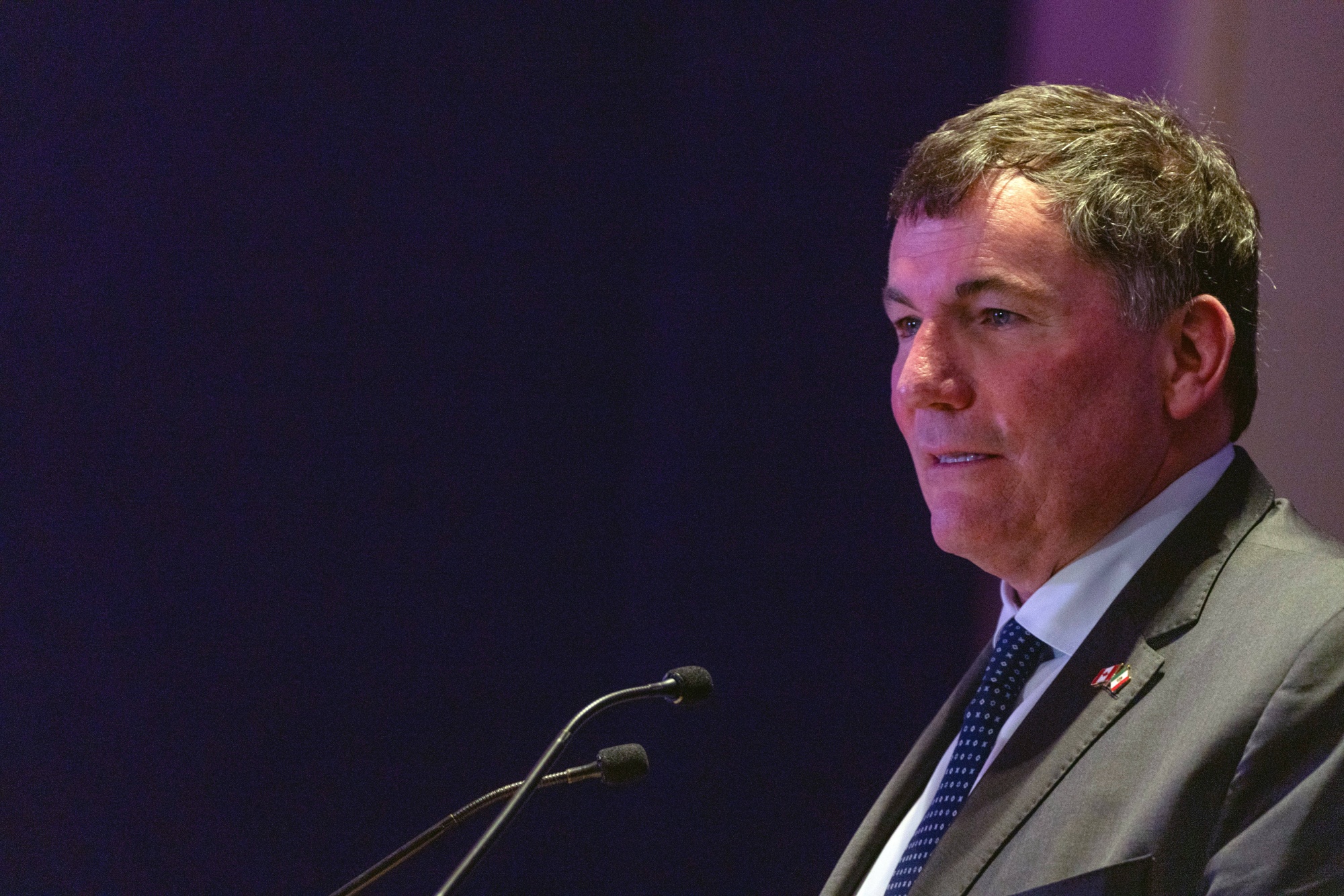
Intergovernmental Affairs Minister Dominic LeBlanc and Transport Minister Steven MacKinnon announced on Friday that the government will launch a 30-day consultation period on a series of proposals to accelerate project reviews.
Specifically, the government is proposing to limit federal decision-making timelines to no more than a year once proponents have submitted all the project information.
The government is also pitching regulatory changes to ensure only a single federal decision is needed for many major project approvals — rather than multiple departments needing to render judgments.
The proposed changes would apply to all large projects reviewed by the federal government, and represent another move by Carney to respond to pressure to improve the rules for investment. Last year, the prime minister instituted a new policy of rendering a decision within two years on proposals referred to the Major Projects Office.
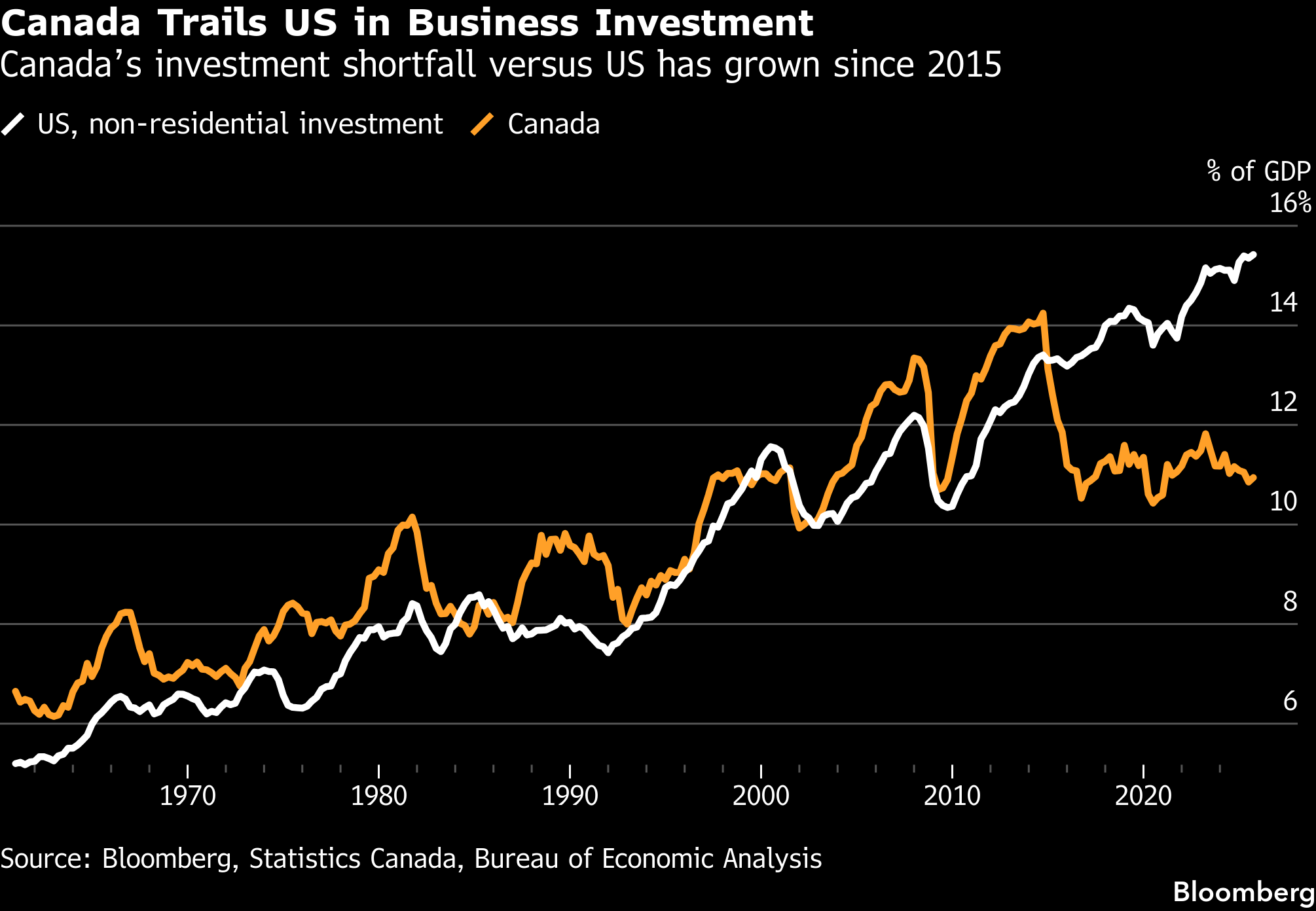
Carney has vowed to make it easier to build major projects by cutting red tape that businesses have long complained block investment and hold back the resources sector. These priorities have grown more urgent as US tariffs squeeze Canadian exports and underscore the need for trade diversification.
However, his agenda has faced pushback from some Indigenous and climate groups, who argue he’s prioritizing economic gains over potential harm to communities and the environment.
Earlier this week, the executive director of the International Energy Agency urged Canada to move more quickly to develop and export its energy resources. Fatih Birol warned “Canada doesn’t have the luxury to be slow” as it faces a “golden opportunity” to move projects ahead faster.
Birol’s remarks followed comments by Cenovus Energy Inc. Chief Executive Officer Jon McKenzie that higher costs of new oil sands projects mean they will only work economically if environmental rules are loosened.
As part of the proposed streamlined approach, a new consultation hub would work with federal departments and agencies to ensure that Indigenous groups affected by a major project go through one coordinated consultation process.
The government is also looking to provide ministers with more power to move projects ahead, including authorizing LeBlanc to adjust environmental conditions for projects of national interest, when needed.
“The proposed regulatory and legislative reforms are part of our ambitious plan to build a stronger Canada — helping companies across the country build their projects faster, attracting investment, boosting our competitiveness, and growing Canada’s economy,” LeBlanc said in a statement.
The government is also launching consultations on proposals to diversify Canadian trade.
Canadian businesses “welcome this consultation whole-heartedly but hope it turns to quick action once it’s concluded,” Bryan Detchou, Canadian Chamber of Commerce senior director of natural resources, environment and sustainability, said in a statement.
“We still see a persistent lack of confidence among businesses and investors, which is why they have been stuck on the sidelines,” Detchou said. “We hope the government is ready to work with the industry and truly peel back some of the red tape layers that have been holding back business success.”
TC Energy Chief Executive Officer François Poirier, who has urged Canada to offer a six-month timeline for key energy project permits, also welcomed the consultations.
“This is a moment for Canada to move from debate to delivery,” Poirier said. “Now, let’s unlock investment, create jobs, uphold Indigenous participation and environmental protection, and build the infrastructure needed to reach new markets.”
Carney’s government has also been trying to reach an agreement with the Alberta government on industrial carbon pricing and a major carbon capture and storage project in exchange for its support of the province’s proposal for a new oil pipeline to the west coast.
Alberta Premier Danielle Smith said in a social media post on Friday that she and Carney made “significant progress” in a morning meeting, and she is now “much more confident” the deal will be reached well before the province submits its pipeline pitch to the Major Projects Office next month.
(Adds context, reaction from TC Energy CEO, starting in the sixth paragraph.)
©2026 Bloomberg L.P.








