

Oil Eases While Tankers Openly Enter Hormuz After Peace Deal


(Bloomberg) -- Oil dipped as tankers become more overt in transiting the Strait of Hormuz, a sign that a much-anticipated rush of barrels is en route to quell one of the most severe supply shocks in history.
West Texas Intermediate fell less than 1% to settle above $73 a barrel. Global benchmark Brent dipped about 1% to around $77 a barrel. Oil has fallen precipitously since the US and Iran inked an interim peace deal last week that promised to reopen the strait, a vital chokepoint for seaborne oil trade. Prices are currently around 40% lower than they were at the height of the conflict.
Now, more ships are transiting the strait with their satellite signals switched on. India, meanwhile, sent two ships back to the region for the first time since February. And the International Maritime Organization said it had received safety guarantees allowing hundreds of ships to exit the Persian Gulf.
“The simple fact that flows are resuming through the Strait of Hormuz and strategic petroleum reserves are continuing to push oil into the market will keep things down for the near term,” said Joe DeLaura, global energy strategist at Rabobank.
Prices have also been pushed down by Monday’s news that the US issued a 60-day license permitting the sale of some Iranian oil and petroleum products, offering Tehran an economic lifeline. The two sides are continuing talks to try and find a permanent peace agreement, though the licenses were detailed in the interim pact.
The US waiver permits almost anyone to purchase and pay for Iranian oil, including American refineries, though some might be unwilling to take on the risk.
And while Iran is wooing customers, buyers in Asia don’t appear to be in a rush, having already secured alternative shipments to work around the months-long blockade of the strait.
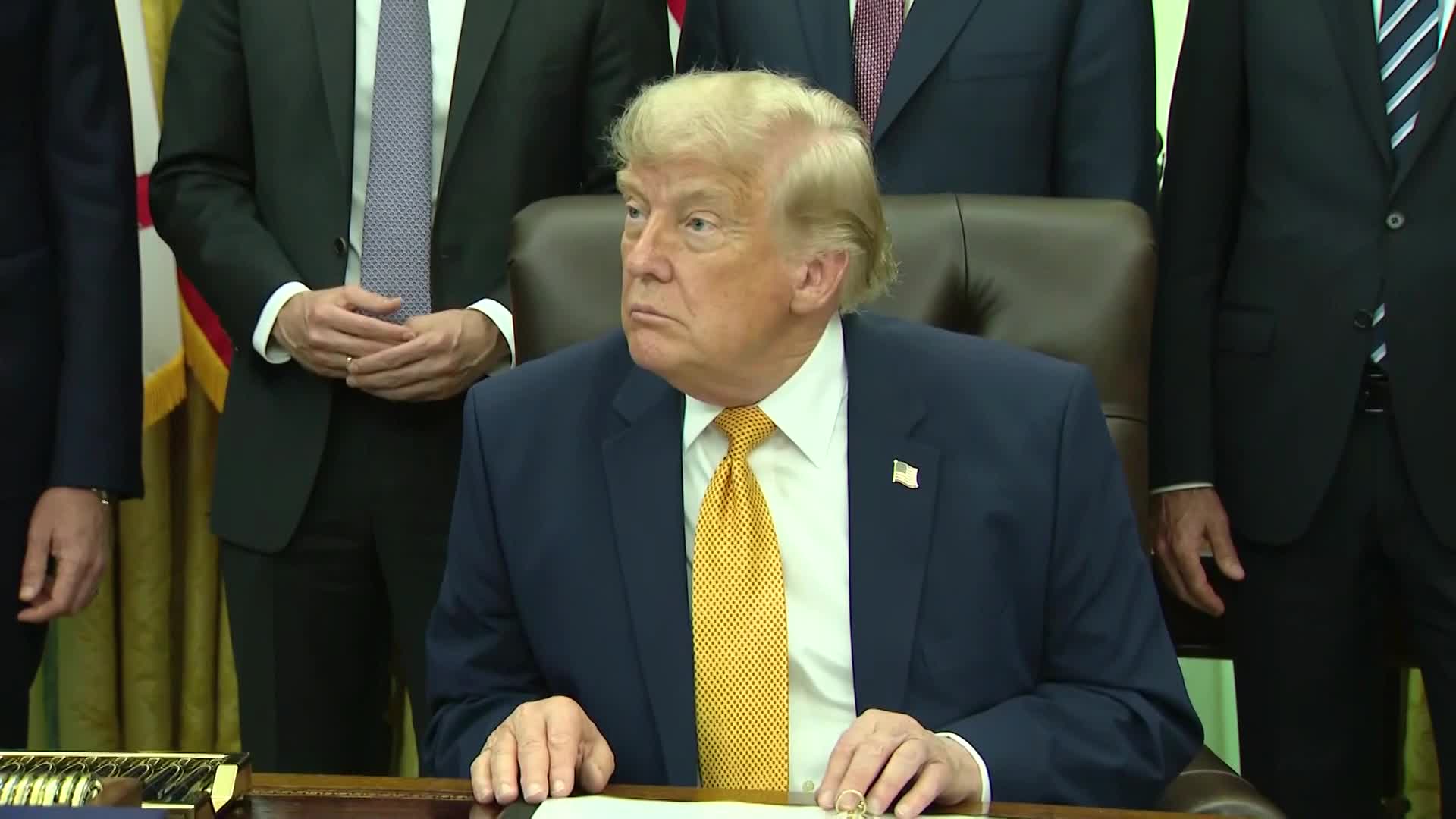
Supply from the Gulf has ticked up recently, with producers such as Kuwait and the United Arab Emirates finding workarounds to get energy out. Iran has also shipped more than 30 million barrels over the past week. President Donald Trump said in a Truth Social post on Monday that a “record” 19 million barrels had flowed out of Hormuz the previous day.
In addition to oil waivers, Iran said $12 billion of its frozen funds are set to be released as part of ongoing talks. US President Donald Trump said Iran will only be able to use those funds to purchase food and medical supplies from the US.
While both sides are indicating progress in the talks, questions remain about the prospects of a long-term deal, offering something of a floor to prices. There’s expected to be protracted wrangling on Iran’s nuclear capabilities, the status of a ceasefire in Lebanon between Israel and Hezbollah and the safe reopening of the strait.
Iran and Oman said they were beginning work on a pact for the administration of the strait, including the cost of managing transit, with concerns remaining that Iran will levy a fee for traveling through the vital chokepoint.
The road to fully reopening the Strait of Hormuz will be a “long, drawn-out, paced” process, Phillips 66 CEO Mark Lashier said at a JP Morgan Chase & Co. conference on Tuesday.
Similarly, clinching a deal could prove to be an extended process, he said.
Other supply concerns may also lift prices, including the possibility of a complete diesel export ban in Russia. The country is mulling the move amid relentless Ukranian drone attacks on refineries, Deputy Prime Minister Alexander Novak said Tuesday.
©2026 Bloomberg L.P.








