

US Senate Passes Russia Sanctions Bill Championed by Graham


(Bloomberg) -- The US Senate passed a sweeping new Russia sanctions bill authorizing punishing tariffs on China, India and other top buyers of the country’s oil and gas as well as extended Iran sanctions.
The legislation, which had been championed by the late Senator Lindsey Graham, received bipartisan support, ultimately passing on an 86 to 11 vote. Graham, a South Carolina Republican, died last month shortly after returning from a visit to Ukraine.
“This legislation hits Putin where it hurts,” Senator Darline Graham, who was appointed to her brother’s seat, said of the Russian president just prior to the vote.
The legislation has been dramatically narrowed from a version drafted last year in order to win the backing of President Donald Trump, who ended most direct aid to Ukraine in favor of selling weapons to the country often paid for by America’s European allies.
The measure must still pass the House.
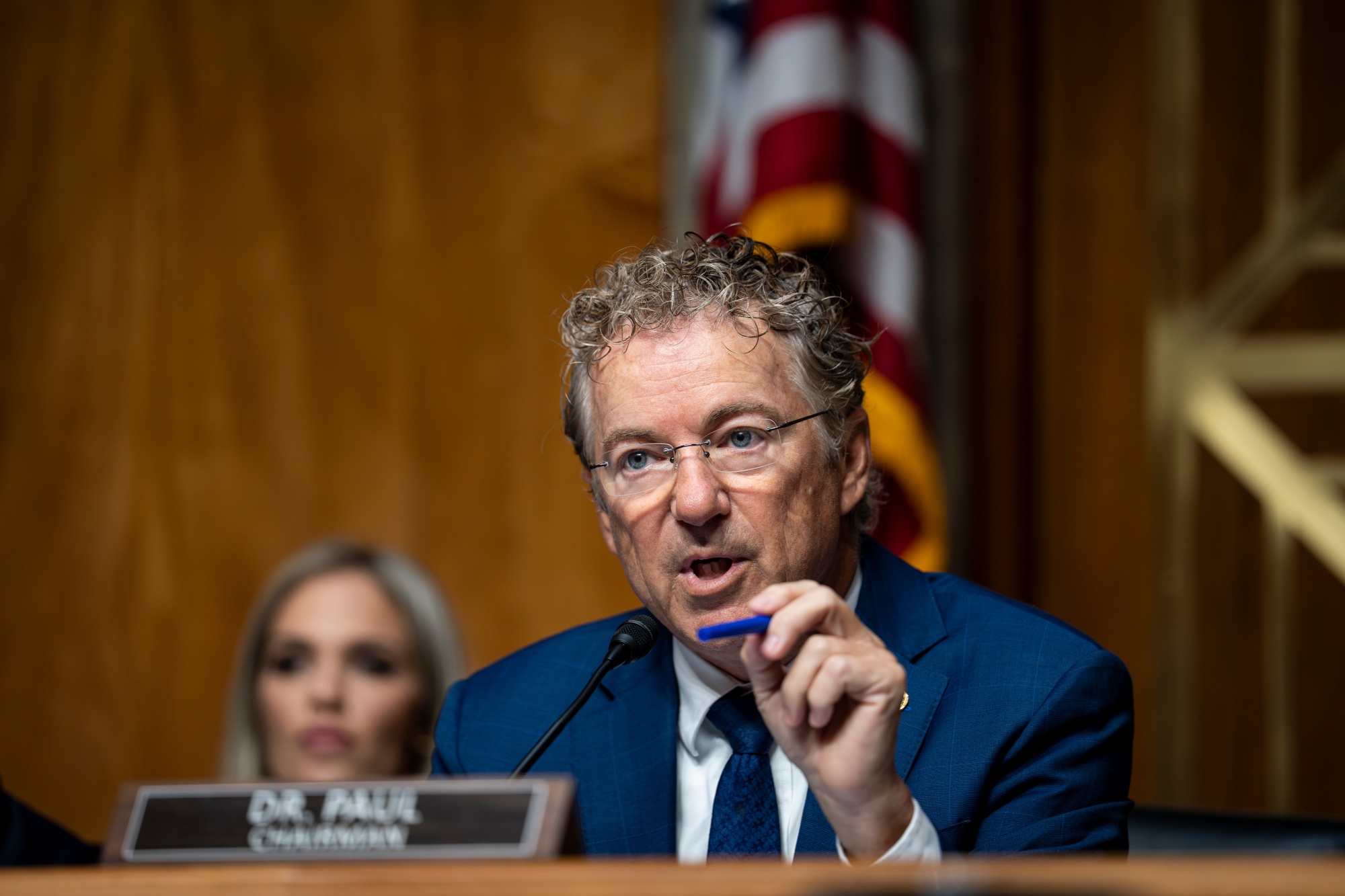
Some Democratic lawmakers and Senator Rand Paul, a Kentucky Republican, have warned that the bill could be used by Trump as a legal justification for broad new tariffs on major trading partners like China and India. Paul’s amendment to block the new tariff authority failed.
Trump would be authorized under the legislation to levy 100% tariffs on the top five buyers of Russian crude and natural gas, as well as the top five countries aiding Russia’s energy sanctions evasion.
Earlier: Russia Sanctions Threat May Complicate US-India Trade Talks
While senators in both parties hailed the measure as a blow to the Kremlin, it’s an open question if Trump would use his new powers. The White House negotiated broad waivers that give the president wide discretion not to impose penalties.
The bill would also extend the Iran Sanctions Act of 1996 through 2031. That law imposes secondary economic sanctions on non-US companies doing business with Iran and was set to expire this year.
The bill also allows the president to impose a blanket tariff of 500% on Russian goods imported to the US.
The new tariff authority would last for five years.
The White House has previously made efforts to impose sanctions on Russia, but had granted a series of temporary waivers for oil sales after the closing of the Strait of Hormuz during the war with Iran triggered a crisis on oil markets.
Last year, Trump slapped a 25% tariff on Indian goods over New Delhi’s Russian energy purchases, but later lifted it to help seal a broader US-India trade deal. China, one of Russia’s largest oil customers, escaped similar penalties altogether as Trump has sought to limit trade tensions with Beijing.
Earlier: Lindsey Graham’s Death Deprives Ukraine of Key Trump Whisperer

The US has piled sanctions on Russia since the start of the full-scale invasion of Ukraine in February 2022. A complicated patchwork of waivers and other loopholes, however, allows Russia to continue to sell a large portion of its energy resources into international markets, in part because restricting those flows would have an adverse impact on the global economy.
Trump’s Democratic critics warned the sanctions bill won’t do much if Trump doesn’t change course.
“If he’s willing to continue to legitimize and cozy up to Vladimir Putin, sanctions won’t fix the underlying problem,” Senator Chris Murphy of Connecticut told reporters at the Capitol last week.
©2026 Bloomberg L.P.