

Oil Declines With US Economic Isolation Plan for Iran in Focus


(Bloomberg) -- Oil dropped after two weeks of gains, with the market waiting to see the US economic isolation plan for Iran due to be released later Monday.
Brent fell to around $93 a barrel, after adding around 13% over the past two weeks, while West Texas Intermediate was near $86. Treasury Secretary Scott Bessent is set to unveil details of the plan in a press conference, and sought to ratchet up pressure on US allies to join the effort in an interview with CNBC.
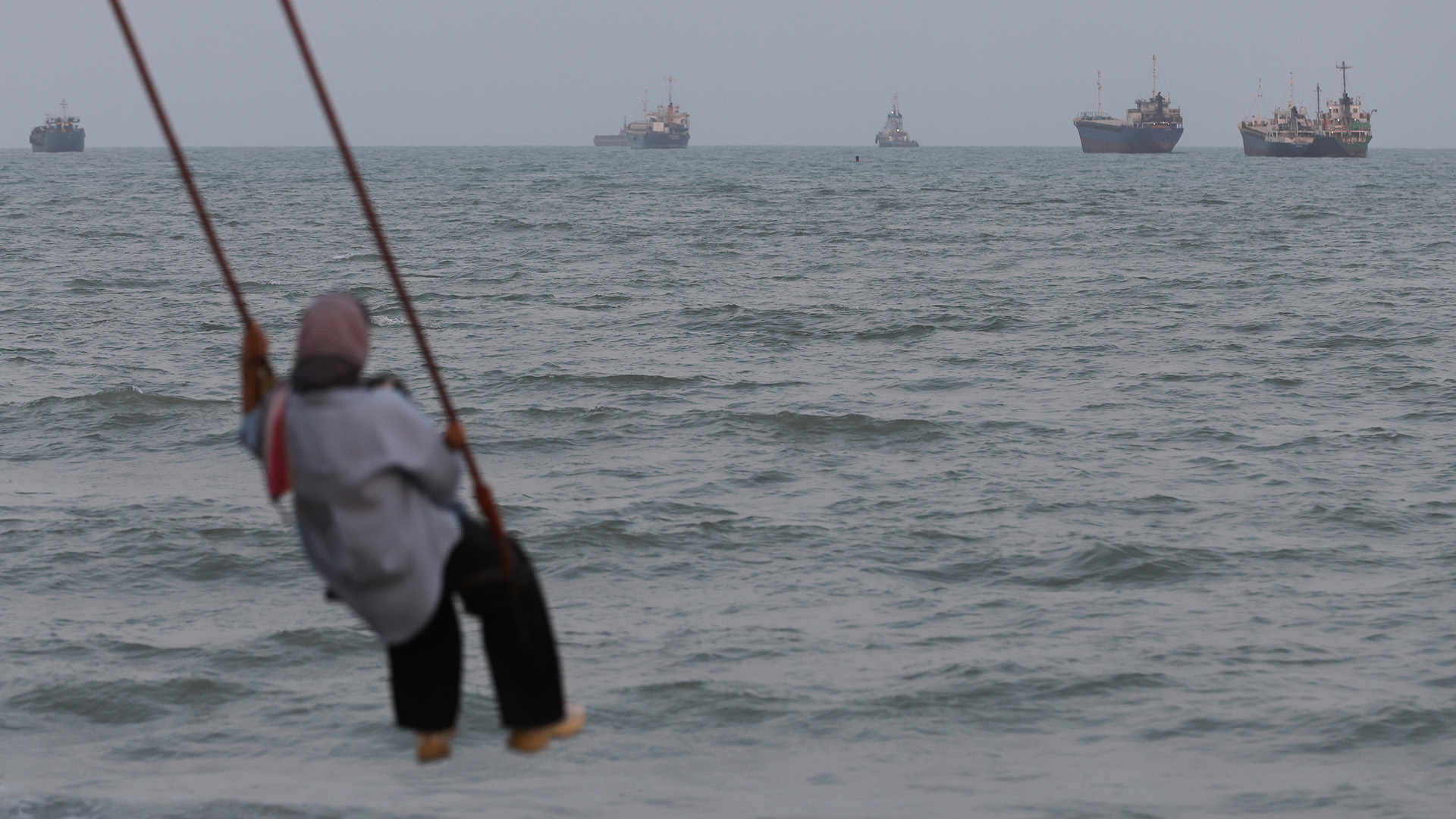
Oil has rallied more than 50% this year, with the US-Iran war — now in its sixth month — choking global supplies of crude and refined products. It’s not clear exactly how the US could meaningfully ramp up economic pressure on Tehran, other than going after China — the main buyer of the OPEC producer’s crude — and risking blowback.
“Iran’s enablers purchase and transport its petroleum,” Bessent said in an opinion piece in the Financial Times. “They would do well to consider the consequences of sustaining it.”
The article has laid out the contours of the plan to target Iran’s economy, said Chris Weston, head of research at Pepperstone Group Ltd.
“Calling his op-ed piece ‘D-Day is coming for Iran’ hardly suggests he is there to make friends, and we should expect a defiant message,” he said. “Any defiant plan to materially disrupt the import of Iranian crude comes with significant execution and reaction risk.”
In an indication of how higher prices may be reducing fuel demand, China’s top refiner Sinopec said gasoline consumption fell almost 8% and diesel use 12% in the first half of the year because of high prices and increased use of electric vehicles.
While visible maritime shipping through Hormuz remains curbed, the Islamic Republic permitted a number of Iraqi oil tankers to transit the critical waterway following a request from Baghdad, Iranian media reported. Washington and Tehran have both repeatedly said that they control the strait.
Still, flows in the Middle East remain disrupted. Saudi Arabia has been forced to shuttle oil loaded in the Red Sea via a safer but longer northern route after Iran-backed Houthi militants in Yemen targeted shipping through the Bab el-Mandeb chokepoint in the south.
Elsewhere, Russia rejected a truce Ukraine offered on attacks against ships carrying agricultural commodities through the Black Sea because Moscow wanted guarantees against strikes on its energy infrastructure, Ukrainian President Volodymyr Zelenskyy said on Saturday. While some refineries have recently completed maintenance, Russia hasn’t yet decided whether to lift its diesel export ban in force through Sept. 1, Interfax reported.
©2026 Bloomberg L.P.








