

Oil Advances as Trump Touts Iran Negotiations and Hormuz Flows


(Bloomberg) -- Oil rose after its biggest drop in a week, as President Donald Trump said his latest offer of talks is Tehran’s “last chance” and that he expects a full reopening of the Strait of Hormuz.
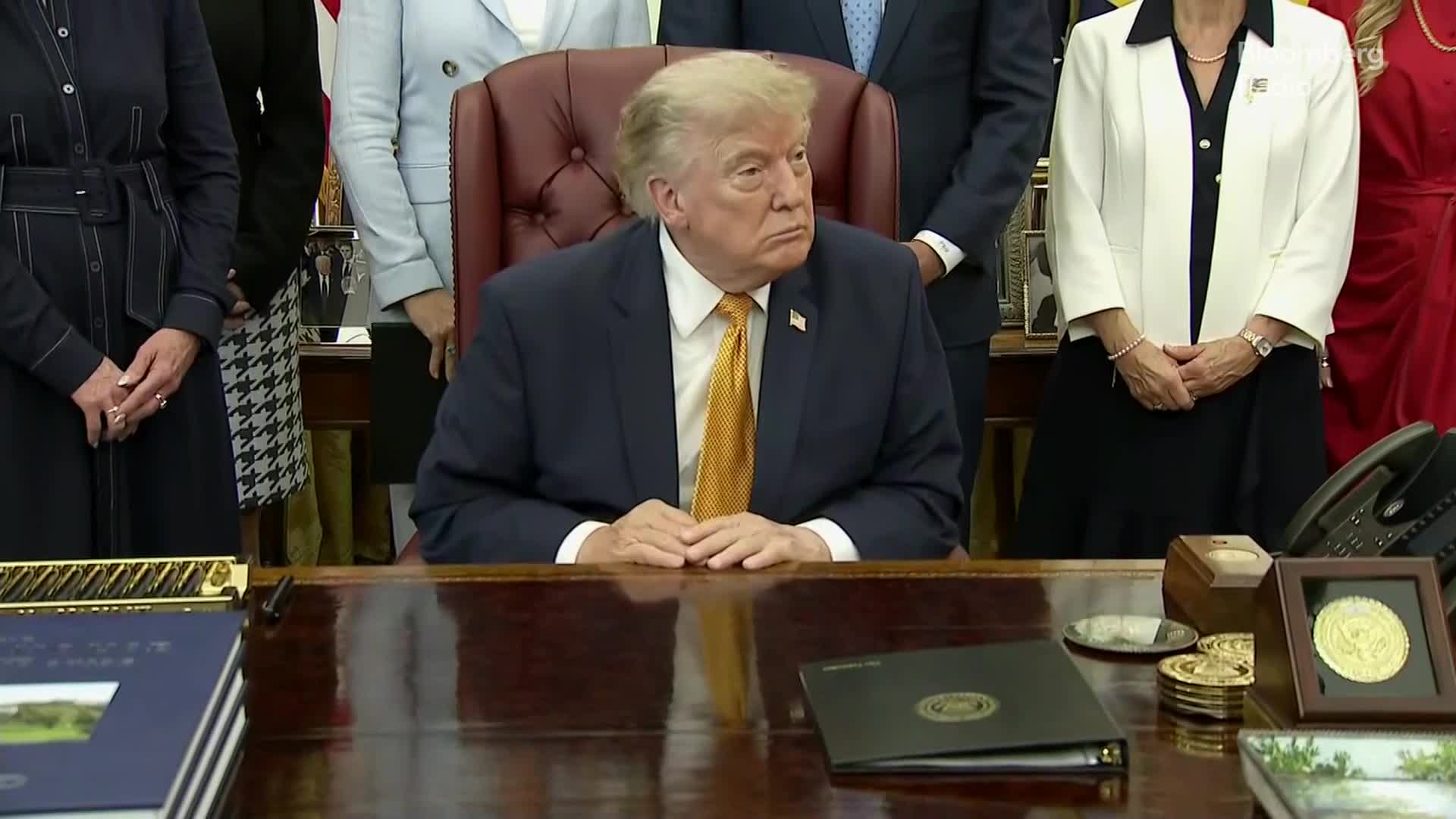
Brent crude traded near $85 a barrel, after losing almost 5% in the previous session, while West Texas Intermediate was above $81. “We’re talking about the strait, the opening of the strait, having it open literally by tomorrow,” Trump told reporters in the Oval Office on Monday.
“This is a last chance for them to sign a good document,” he said, without clarifying what negotiations he was referring to or who was involved. “I want to give them every last chance before decapitation.”
Tehran denied it was talking with the US, but said discussions with Oman to get more ships moving through Hormuz are making progress. Washington must “take the first step and change its behavior,” Mohsen Rezaee, adviser to Iran’s Supreme Leader, said on state TV.
Oil has swung wildly in recent weeks as fighting resumed following the collapse of a June truce and the conflict expanded to the Red Sea. Trump has repeatedly cited diplomatic efforts when he backed off threats of military escalation only to see talks fail, and on Monday called off an attack on Iran that he said would have been the biggest since World War II.
“As long as there are these openings to move barrels around, I think this on-off can continue,” said Carolyn Kissane, associate dean at New York University’s Center for Global Affairs. “Iran doesn’t want to escalate but does want to keep up the tension, and there will be more attacks after this market retreat. We have been here before.”
Commodity flows through the Strait of Hormuz — which carried about a fifth of the world’s crude oil and liquefied natural gas before the war — have slowed to a trickle. In the latest incident, a cargo vessel northeast of Al Khasab, Oman, broadcast that it had been hit by an unknown projectile on Monday, according to UK Maritime Trade Operations.
Meanwhile, the key Saudi export port of Yanbu on the Red Sea appeared to have its busiest day since Houthi threats upended shipping in the region, as more vessels transited dark through the Bab el-Mandeb chokepoint. Saudi Arabia’s observed crude exports edged lower in July as threats to vessel traffic in the Gulf and Red Sea held back the kingdom’s shipments.
With global energy markets under pressure from the Iran war, Ukraine’s shifting strikes across Russia’s oil supply chain increase the risk of further disruptions to global flows. Large refineries, oil tankers, and sea and major pipeline infrastructure were hit at least 30 times in July — the second-highest monthly number of attacks since Russia’s full-scale invasion in 2022.
In recent days, four ships have completed loadings at the Caspian Pipeline Consortium terminal, a Black Sea port on Russia’s coast crucial to Kazakhstan’s crude exports. Recent attacks on oil tankers in the area have made some vessel owners cautious about loading there.
©2026 Bloomberg L.P.








