

Meloni Visits Gulf to Bolster Energy Ties to War-Hit States


(Bloomberg) -- Italian Prime Minister Giorgia Meloni flew to Saudi Arabia on a surprise two-day visit to the Gulf, with plans to meet leaders including Crown Prince Mohammed Bin Salman as she aims to strengthen domestic energy security.
Meloni started her tour from Jeddah, according to an Italian government official. She is the first leader of a European Union or North Atlantic Treaty Organization country to visit the region since the Iran war started, the official said, adding that Meloni will also meet with representatives from Qatar and the United Arab Emirates on the trip.
The focus of her visit is to share views on the war, maritime security, opening the Strait of Hormuz, and the humanitarian situation in countries affected by the conflict, according to Italian diplomats. Meloni will also relay the message that Italian energy firms, including state-backed Eni SpA, remain committed to investing in the region, they added.
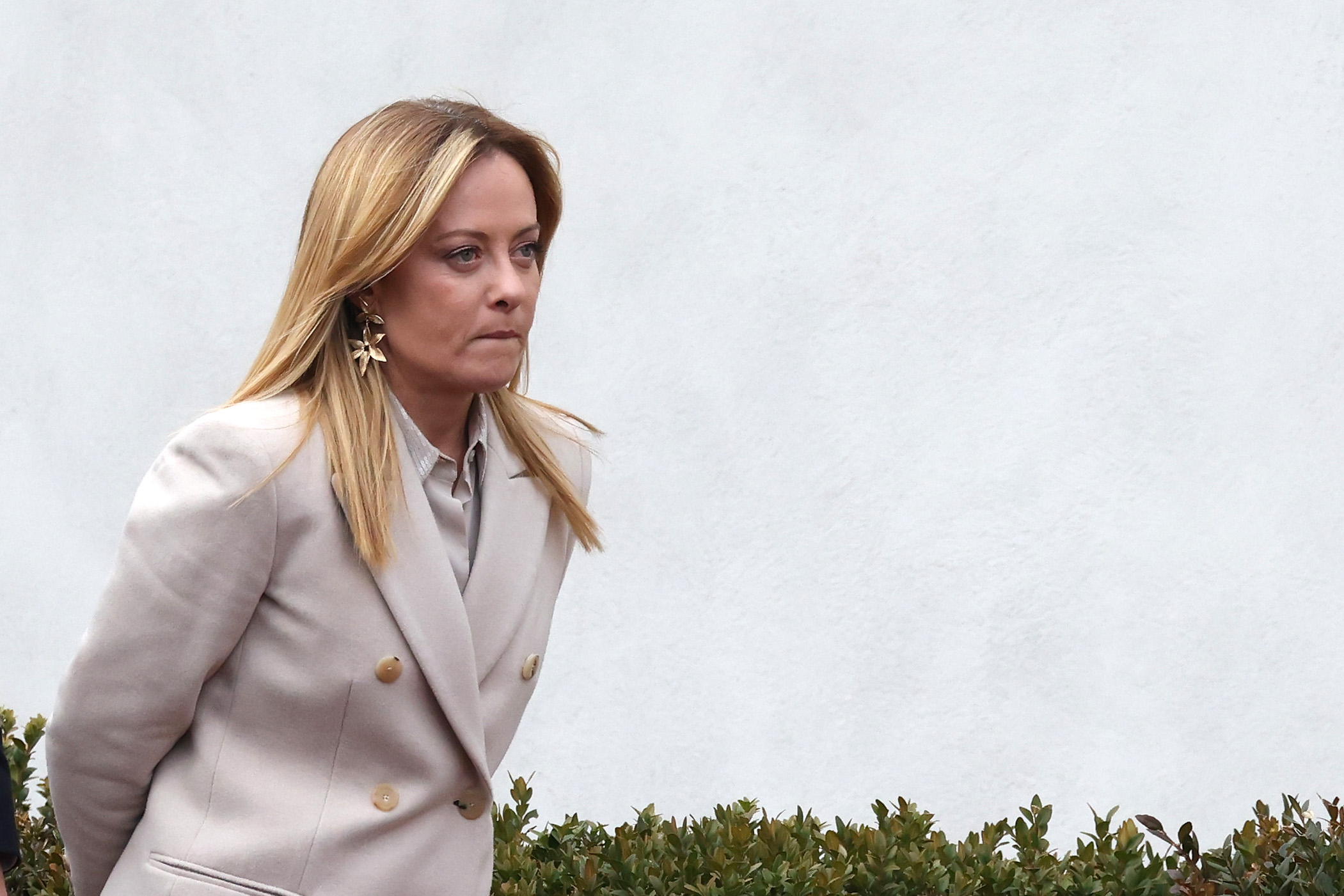
The premier traveled to the region on Good Friday with a goal of strengthening the partnership with Gulf energy producers after Iran attacked them in retaliation for US and Israeli strikes, the diplomats said. She us seeking to get a full picture of their positions on the war, they added.
The trip would also help Meloni fortify energy links with the Gulf, the government official added, a key source for oil and gas for Italy. The Bank of Italy on Friday lowered its GDP growth estimates for 2026 and 2027, citing the impact of the war on prices and the economy.
Italy has sent aerial defenses to the Gulf to help counter Iran’s assaults, and there were some similar requests pending, the diplomats said, but these were constrained by the war in Ukraine.
Rome has also remained in contact with Iran throughout the fighting, which started on Feb. 28, and is pushing for a ceasefire in a mediated resolution to the conflict.
Energy Prices
The war has roiled global energy markets, with the strait of Hormuz closure choking off global supply, a disruption that’s affected Italy particularly. Meloni flew to Algeria last month in an effort to secure more gas from the North African nation. Spain has made similar moves.
Earlier on Friday, Meloni’s government extended Italy’s fuel tax cut through May 1, committing about €500 million ($577 million) in added funds to blunt the impact of higher energy prices caused by the Iran war.
For that period, consumers and businesses will continue to see a €0.25 per liter reduction in taxes at the pump, Finance Minister Giancarlo Giorgetti said. The new measures add to a similar-sized package that was set to expire on April 7.
“We’re talking about an emergency here,” Giorgetti told reporters in Rome. “The overall situation is objectively worrying for the economy,” Giorgetti added, referring to the war in Iran, with effects on monetary and fiscal policy for the countries affected.
Meloni’s government has limited headroom to intervene, given a mammoth public debt load and European Union fiscal rules. If the Iran war persists it will become “inevitable” that the EU revises the 3% deficit ceiling on member countries, Giorgetti said.
The lack of flexibility was underscored on Friday, when Italy’s statistics institute said the country had breached the European Union’s deficit ceiling in 2025. The budget shortfall reached 3.1% of domestic product last year, further compressing fiscal headroom for the government as it contends with the energy shock and attempts to respond to a key referendum defeat last month.
Several European nations, including Spain and France, have also passed energy measures or signaled that they were considering them in response to price shocks caused by the war.
(Updates with context, Bin Salman meeting and additional detail starting from the first paragraph.)
©2026 Bloomberg L.P.








