

Canada Miner Sherritt Pulls Out of Cuba on Sanctions Threat


(Bloomberg) --
Sherritt International Corp. halted joint venture activities in Cuba after President Donald Trump expanded US sanctions on the communist-run Caribbean country.
The Canadian mining company, one of the island’s largest foreign investors, is taking steps to repatriate employees in Cuba and has requested its Cuban partners bring back their personnel from Canada, according to a statement issued Thursday. Sherritt said there’s no immediate impact on its Canadian refinery operations in Fort Saskatchewan, Alberta.
Losing Sherritt represents a heavy blow for Cuba, which is in its deepest economic crisis ever as Trump tries to topple the government after nearly seven decades of one-party rule. The executive order he signed last week targets almost any non-US citizen or entity that conducts business in the country, which has been subject to broad economic sanctions since the 1960s.
The company, which is due to report earnings on May 12, said earlier this week it was consulting advisers and stakeholders on the impact of the order.
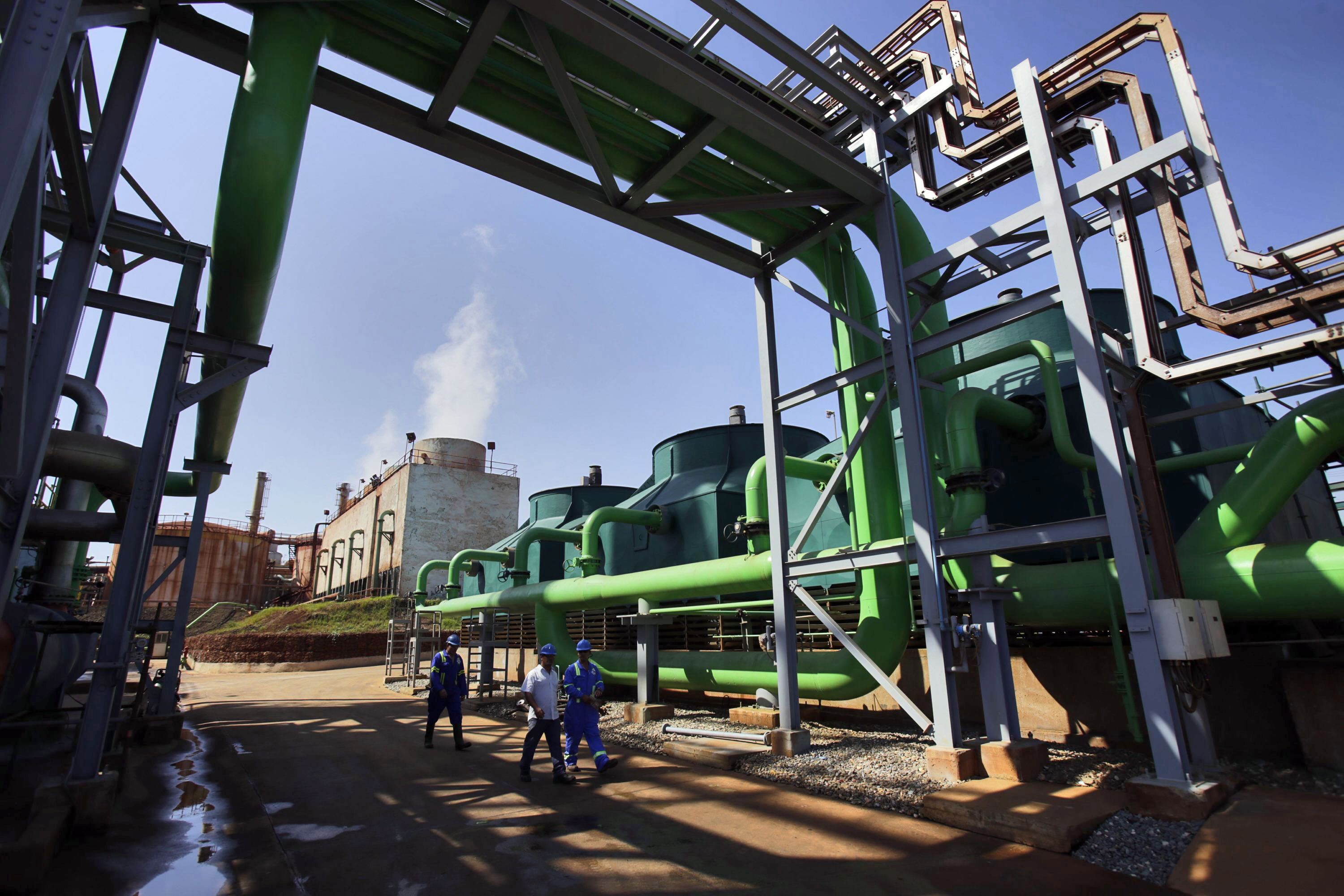
Sherritt has been mining cobalt and nickel in eastern Cuba since the 1990s, processing the metals at its Alberta refinery. The miner gambled on entering Cuba when Fidel Castro tentatively opened the island’s economy to foreign investment after the fall of the Soviet Union.
Once seen as a barometer for the country’s economic prospects, Sherritt’s stock traded at 17.5 Canadian cents as of 9:47 a.m. in Toronto, giving it a market value of about C$123 million ($129 million). That’s down from a peak of about C$4.8 billion in 2008.
In February, after Trump imposed a de facto fuel blockade on the island, Sherritt announced a temporary halt to its Cuban operations. The Toronto-based company said it hasn’t been formally designated under Trump’s new measure, but said “the mere issuance of the executive order itself creates conditions that materially alter the corporation’s ability to operate in the ordinary course.”
Three Sherritt directors — Brian Imrie, Richard Moat and Brett Richards — have resigned from the board, effective immediately, the company said.
Sherritt’s Moa collaboration with Cuba’s General Nickel Company SA mines, processes and refines nickel and cobalt for sale worldwide. The venture includes an open pit mine and processing facility in Moa, Cuba and refining facilities in Alberta. While halting operations is a blow to Sherritt’s bottom line and Cuba’s economy, it’s minor for global metal markets. The venture’s annual combined production capacity of 38,200 metric tons is a tiny fraction of the world’s mined supply — which in nickel’s case is dominated by Indonesia.
A claim against Sherritt’s mine in eastern Cuba is among thousands of outstanding property disputes certified by the US government, with the asset valued at more than $88 million before interest. The facility was owned by a subsidiary of what is now Freeport-McMoRan Inc. before it was nationalized after the 1959 revolution that brought Castro to power.
The company also produces electricity, oil and gas on the island. Sherritt didn’t immediately reply to a request for comment on the status of those operations.
(Updates shares and adds details of operations from sixth paragraph.)
©2026 Bloomberg L.P.








