

Japan’s Fukushima Clean-Up Offers a Blueprint for Nuclear Recovery

(Bloomberg) -- Fifteen years ago this week, Japan faced the biggest nuclear meltdown since the 1986 Chernobyl disaster. While Soviet authorities entombed that plant in concrete, Tokyo decided on a very different approach — the Fukushima Dai-ichi facility would be entirely dismantled.
The tsunami-devastated plant is taking a pioneering approach to the critical next phase of the world’s most complex clean-up operation. If successful, it could become a blueprint for the global industry.
Progress has been painfully slow, stalled by gaps in technical knowledge, cost overruns and the extreme caution required to deal with an unprecedented accident of such magnitude. “It’s an unknown world,” said Yuichi Sato, a spokesperson for the unit of Tokyo Electric Power Co. that is responsible for cleaning up the plant.
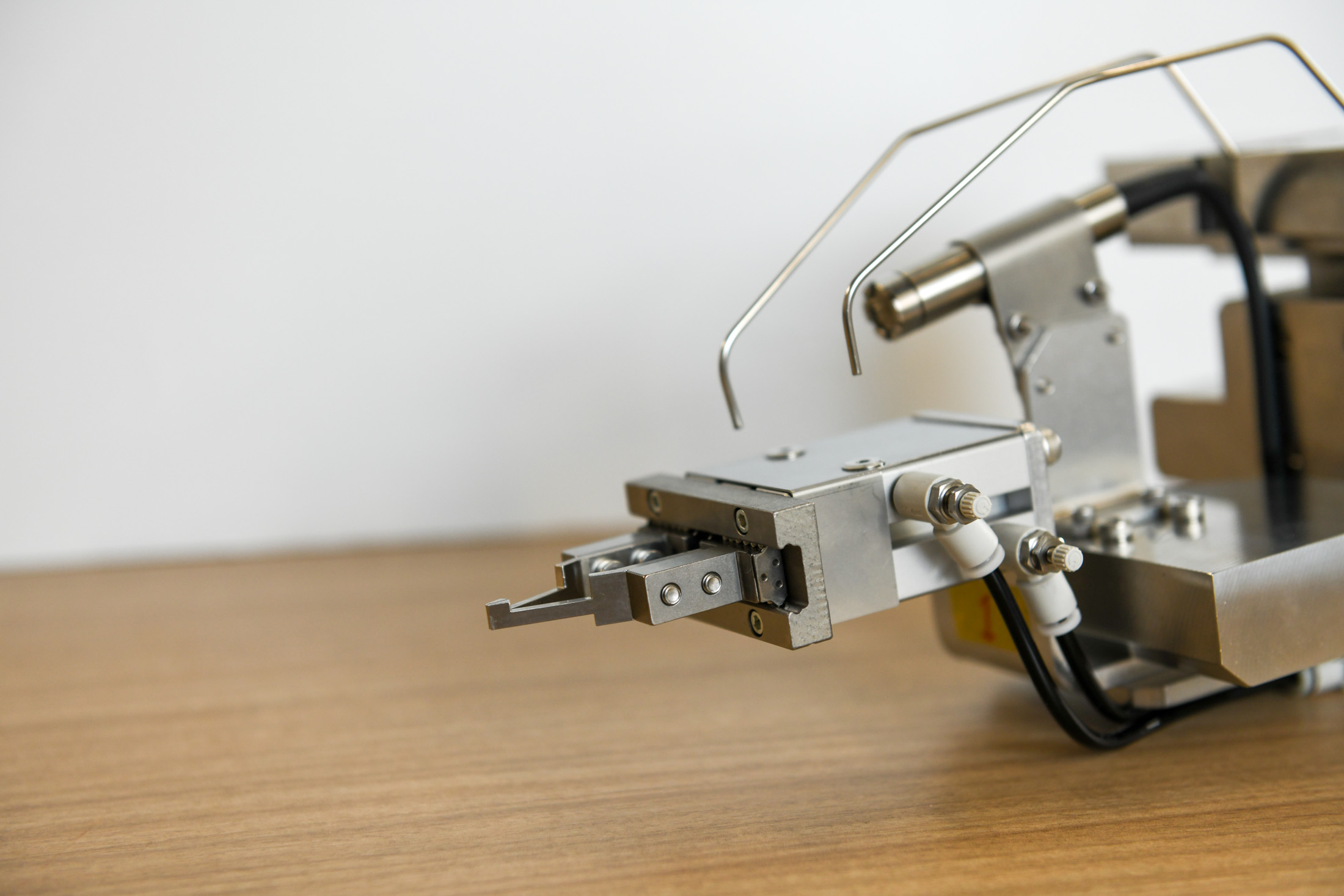
Tepco, however, sees a potential breakthrough in the effort to extract about 880 tons of melted atomic fuel lodged at the bottom of three damaged reactors — thanks to a purpose-built, 22-meter robotic arm that will be deployed as early as this summer to obtain samples of the radioactive material.
The results — as well as images captured by drone-mounted cameras — will be an important step toward full-scale extraction, a huge undertaking that isn’t slated to begin until 2037. The entire decommissioning process, costing hundreds of billions of dollars, is expected to last until the middle of this century.
The project carries enormous significance for Japan and its nuclear power sector, which has struggled to rebuild public trust and restart reactors that were shuttered after the disaster. But it also matters for a global industry that is expanding rapidly to supply the stable, carbon-free electricity needed by massive projects such as artificial intelligence data centers. Eventually, this will also require safe and efficient ways to retire aging atomic plants.
Of more than 200 reactors worldwide that have closed, only 11 with capacity of at least 100 megawatts have been fully decommissioned, according to a study published in September 2024. A further 200 reactors are expected to reach the end of their operational lifetime in the next two decades.
“We are going to have a lot of decommissioning in the future,” said Rafael Mariano Grossi, director general of the International Atomic Energy Agency. “Of course, it’s not post-accident decommissioning, which is different; nevertheless, there are many things that are going to be applicable from the examples which are being developed in Fukushima.”
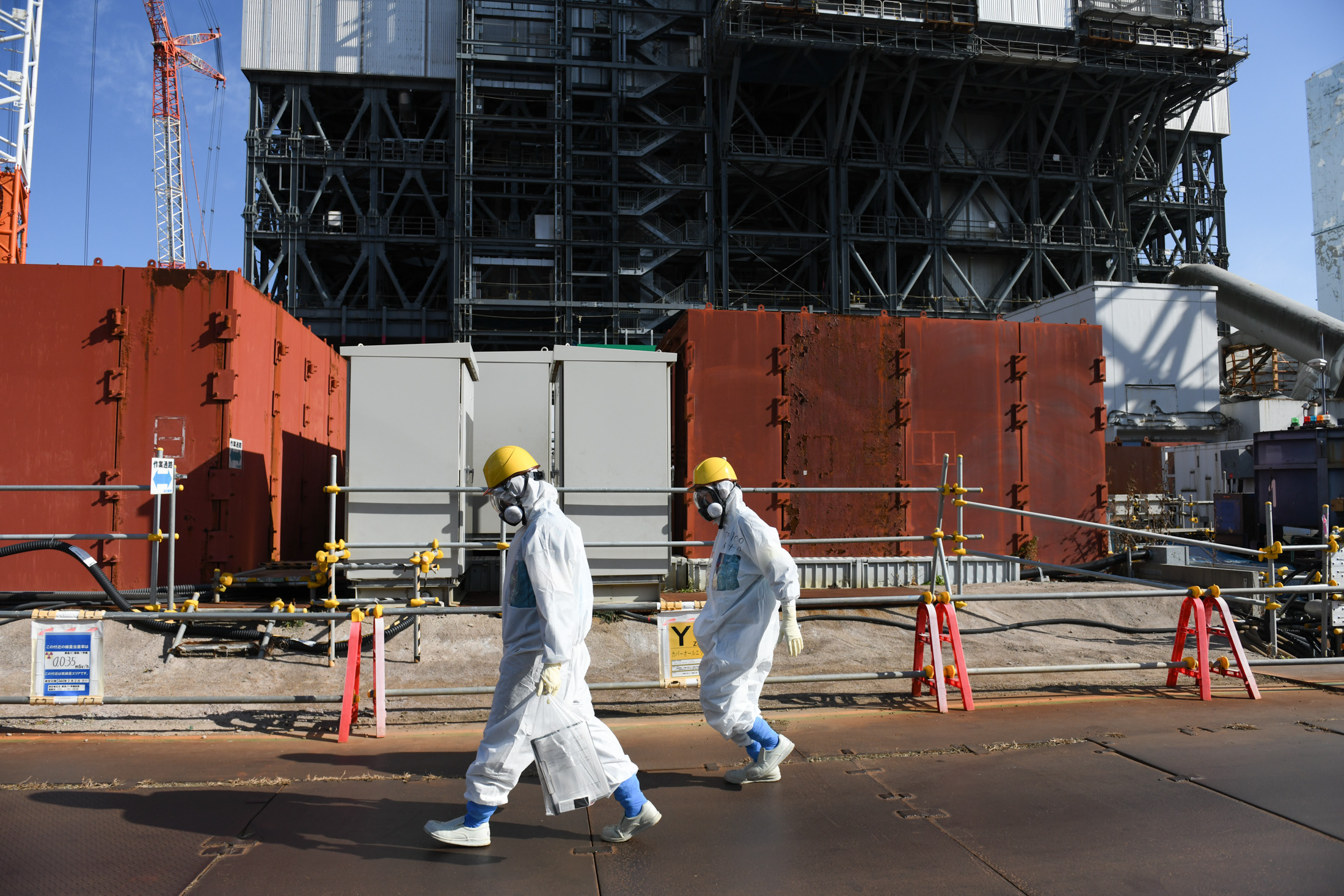
Tepco owns the site that was overwhelmed when Japan’s strongest-ever earthquake triggered the tsunami on March 11, 2011. Flooding destroyed backup generators and severed the reactors from the cooling systems, causing core meltdowns in three of the plant’s six units.
From a distance, the structures today resemble rows of high-rise apartments encased in steel. Much of the last decade has been spent trying to stabilize the facility, containing radiation within the reactors and reducing the amount of contaminated water on site.
Large breaches in the walls have been sealed, and Tepco built a filtration system to treat, store and — since 2023 — discharge water into the nearby ocean. Ice walls were built to limit groundwater from seeping into the site.
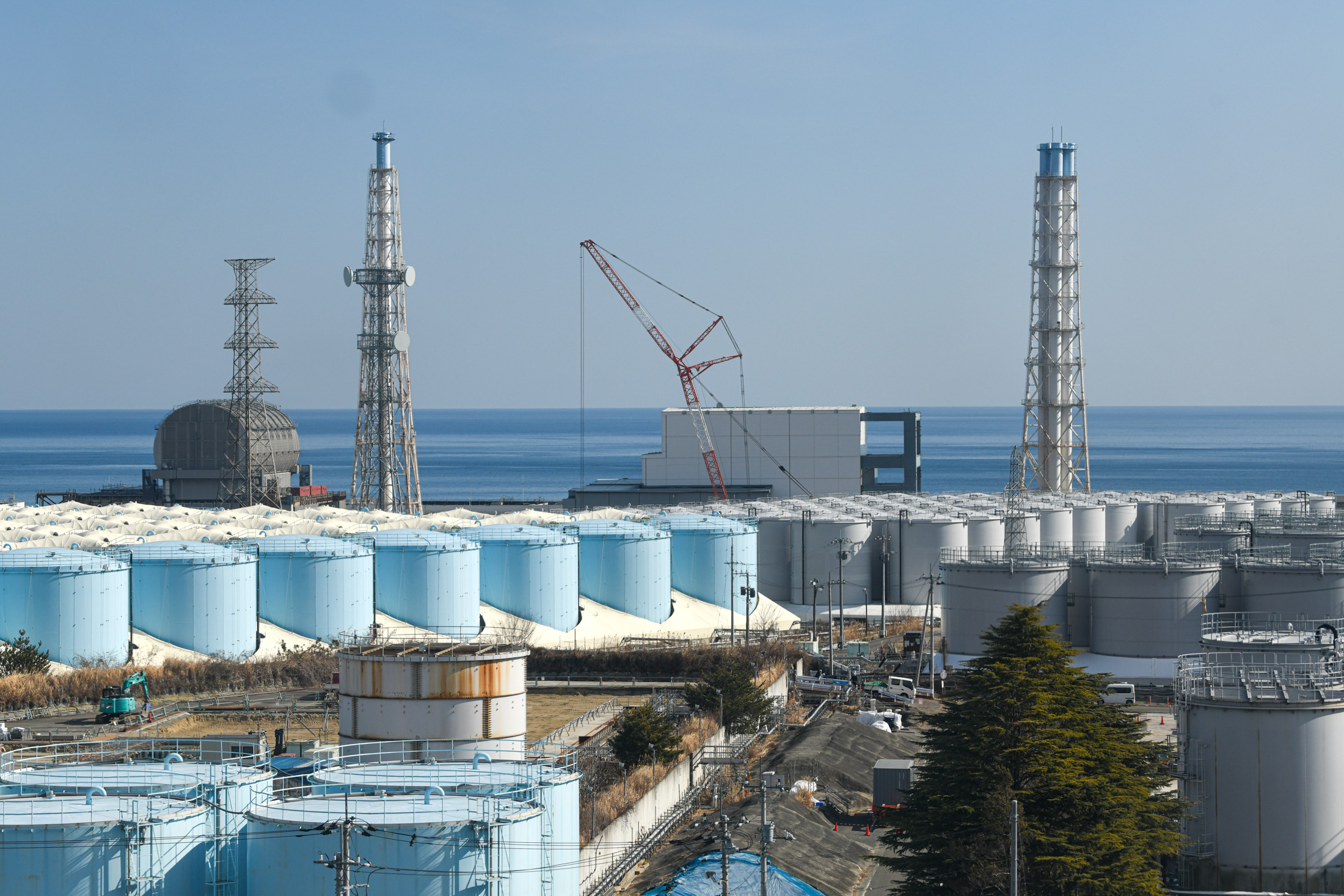
“I never imagined I’d be able to come here without wearing a mask,” Sato, the Tepco spokesperson, said on an observation deck inside the plant. A nearby dosimeter read 36.8 microsieverts per hour — roughly the same dose as a round-trip flight between Los Angeles and New York, and less than a quarter of what it would’ve displayed in the years immediately after the disaster.
The biggest challenge now is to remove the highly radioactive uranium rods — mixed with steel, rock and concrete — that still lie deep within. Though remotely operated probes have captured video footage since 2012, much remains uncertain — for example, the extent to which the molten fuel burned through the bottom of the reactor vessels.
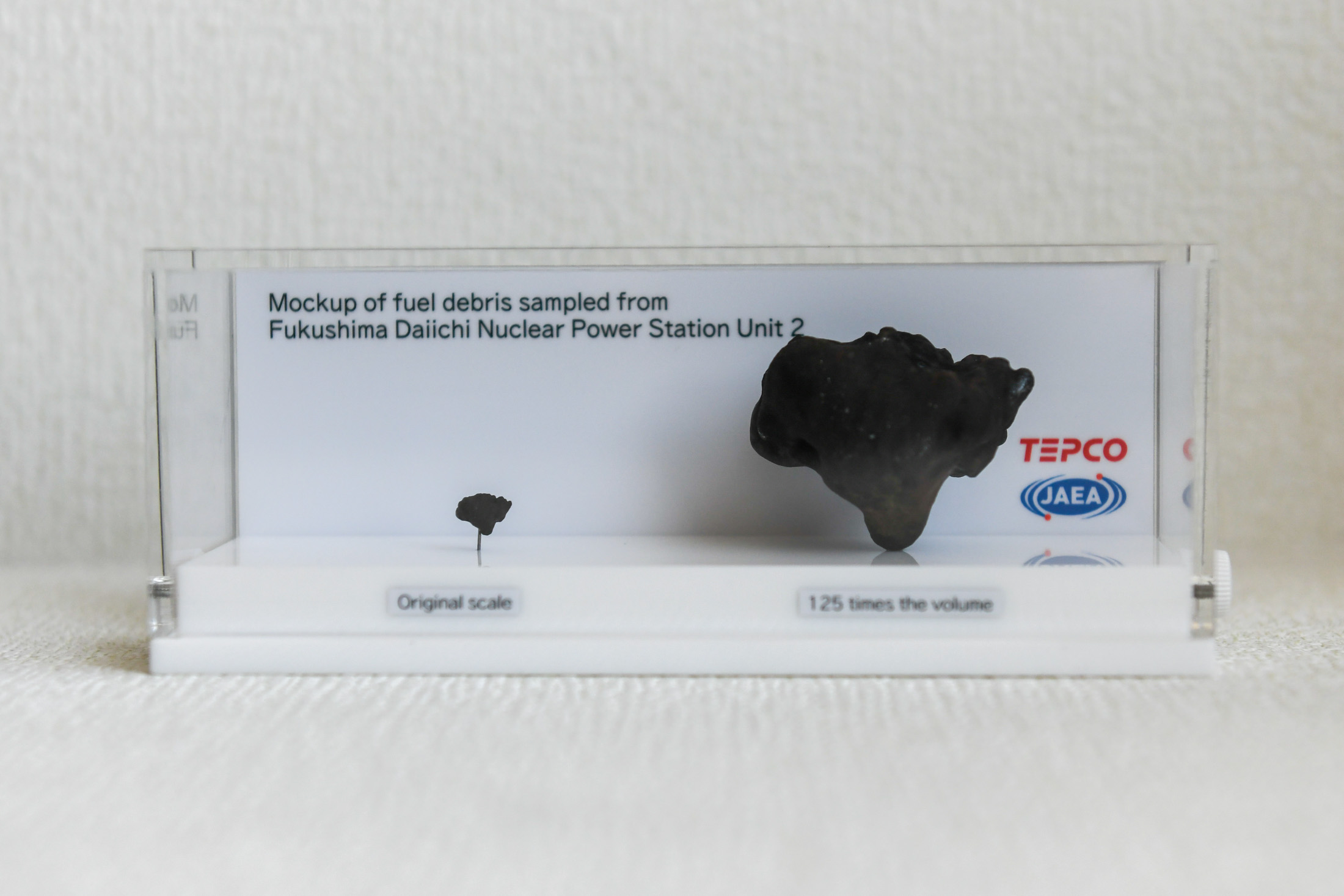
In 2024, using a telescopic robotic device, engineers were able for the first time to extract a tiny sample of debris. The material was porous and crumbly, allaying fears that the fuel might’ve fused into a diamond-hard mass impenetrable even to drills.
After years devoted to tackling basic safety issues, the situation at the plant has “stabilized considerably,” said Akira Ono, the chief decommissioning officer. “We’ve reached a point where we can carry out decommissioning work in a more planned and forward-looking manner.”
The latest robotic arm was developed by Tepco in partnership with various Japanese government agencies. It will attempt to gather samples that should provide more precise data to help the company move closer to the large-scale extraction program.
But schedules have slipped before, perhaps unsurprisingly, in a fragile environment where every operation is preceded by months of modeling and mock-ups. Public opprobrium followed a failed first attempt at extraction, when the correct sequence of steps was not followed to the letter — an experience that Sato recalled as humbling.
Despite the advances, there is a lack of clarity over the future, said Satoshi Yanagihara, a visiting professor at the University of Fukui Research Institute of Nuclear Engineering who specializes in decommissioning and radioactive waste management. For example, it is still unknown where the waste from the Fukushima facility will be stored, he said.
Ono, the chief decommissioner, said the company should “never let our guard down” but that continued investigations had provided the information needed to move forward.
“If you’re told to reach your hand into pitch darkness without knowing what’s inside, you’d feel anxious,” he said. “But if you have at least some idea of what’s there, then the feeling is quite different.”
©2026 Bloomberg L.P.








