

Witkoff, Kushner Set to Hold Indirect Talks With Iran in Qatar


(Bloomberg) -- Qatar said Jared Kushner and Steve Witkoff had arrived in Doha as part of ongoing peace negotiations between the US and Iran and as the countries try to calm tensions over the Strait of Hormuz.
Still, Qatar, a mediator between the sides, said the two US officials — envoys for President Donald Trump — are not set to meet Iranian counterparts directly and downplayed the prospects of a major breakthrough in talks to permanently end the four-month war.
US-Iran “technical meetings” haven’t stopped, a Qatari foreign ministry spokesman said on Tuesday. Chief negotiators aren’t involved in these discussions, he said, which will instead be held between lower ranking representatives.
The arrival of Kushner and Witkoff in the Persian Gulf state follows an agreement between the US and Iran to end days of tit-for-tat attacks over the Strait of Hormuz. Their skirmishes threatened to undermine a ceasefire and the prospect of advancing an interim peace agreement signed earlier this month.
Iran’s foreign ministry underlined the continued tensions by saying there were “serious challenges” with the implementation of aspects of the memorandum of understanding. “It is necessary for the other party to fulfill its commitments,” a spokesman for the ministry said on Tuesday.
Among the issues yet to be resolved is the release of billions of dollars in frozen Iranian assets. Qatar’s foreign ministry said no funds have yet been transferred to Iran.
Tehran said arrangements are “proceeding in a favorable manner” and officials will likely hold talks with Qatar on Wednesday about that.
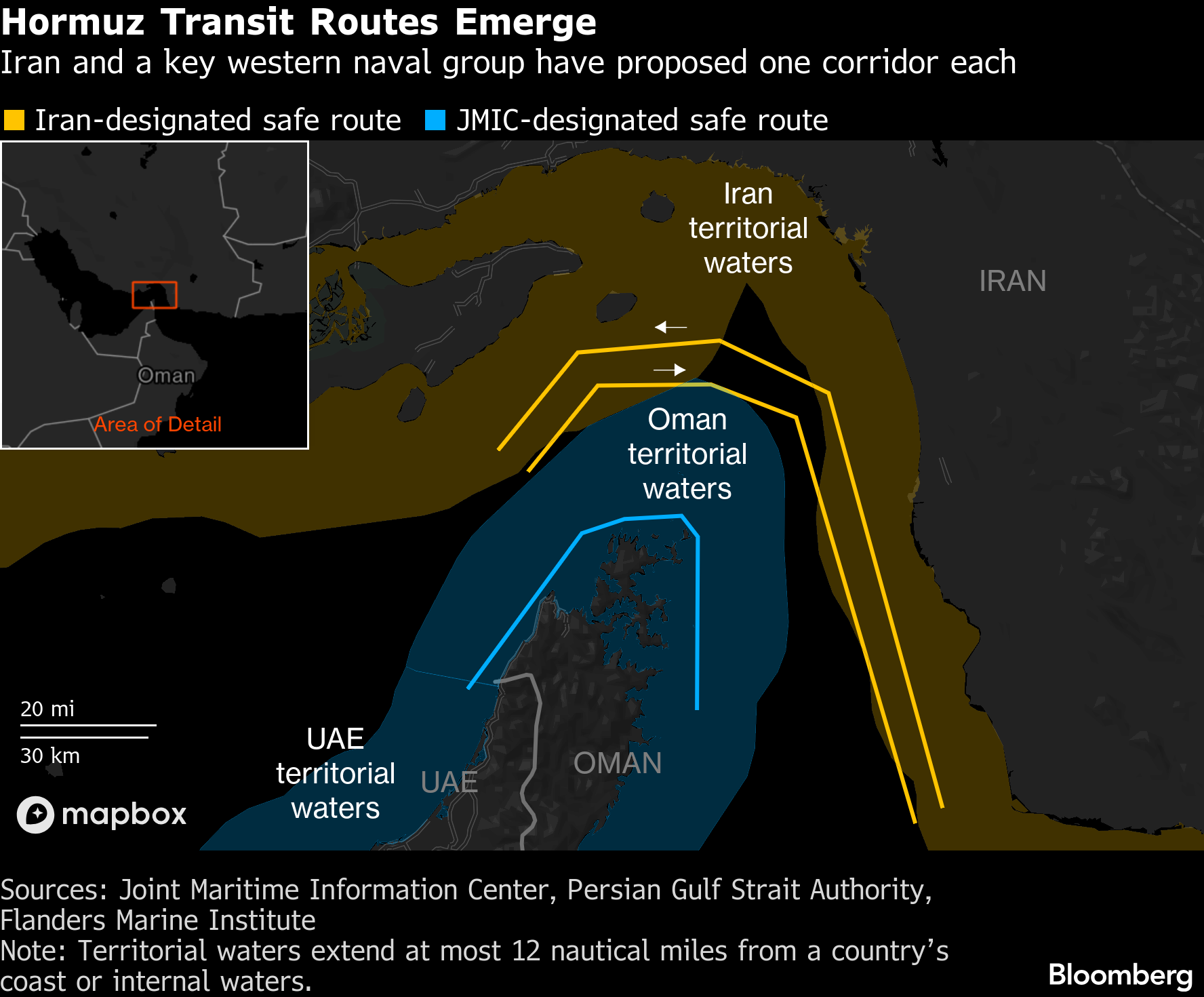
Another contentious point is the future management of the strait, through which a fifth of the world’s oil and liquefied natural gas supplies normally flow. Iran is determined to control the passage of maritime traffic through the critical waterway, which was all but shut when the conflict started in late February, leading to a surge in energy prices.
Prices have fallen significantly since the MOU was signed, with traffic through the Strait of Hormuz picking up. It’s still significantly below pre-war levels.
Earlier, Iran’s deputy foreign minister said the country wants to work out an agreement with Oman, which borders the southern side of the strait, to oversee ships passing through it. Iran will move forward with its own plans “if for any reason Oman is not interested in doing so,” he said.
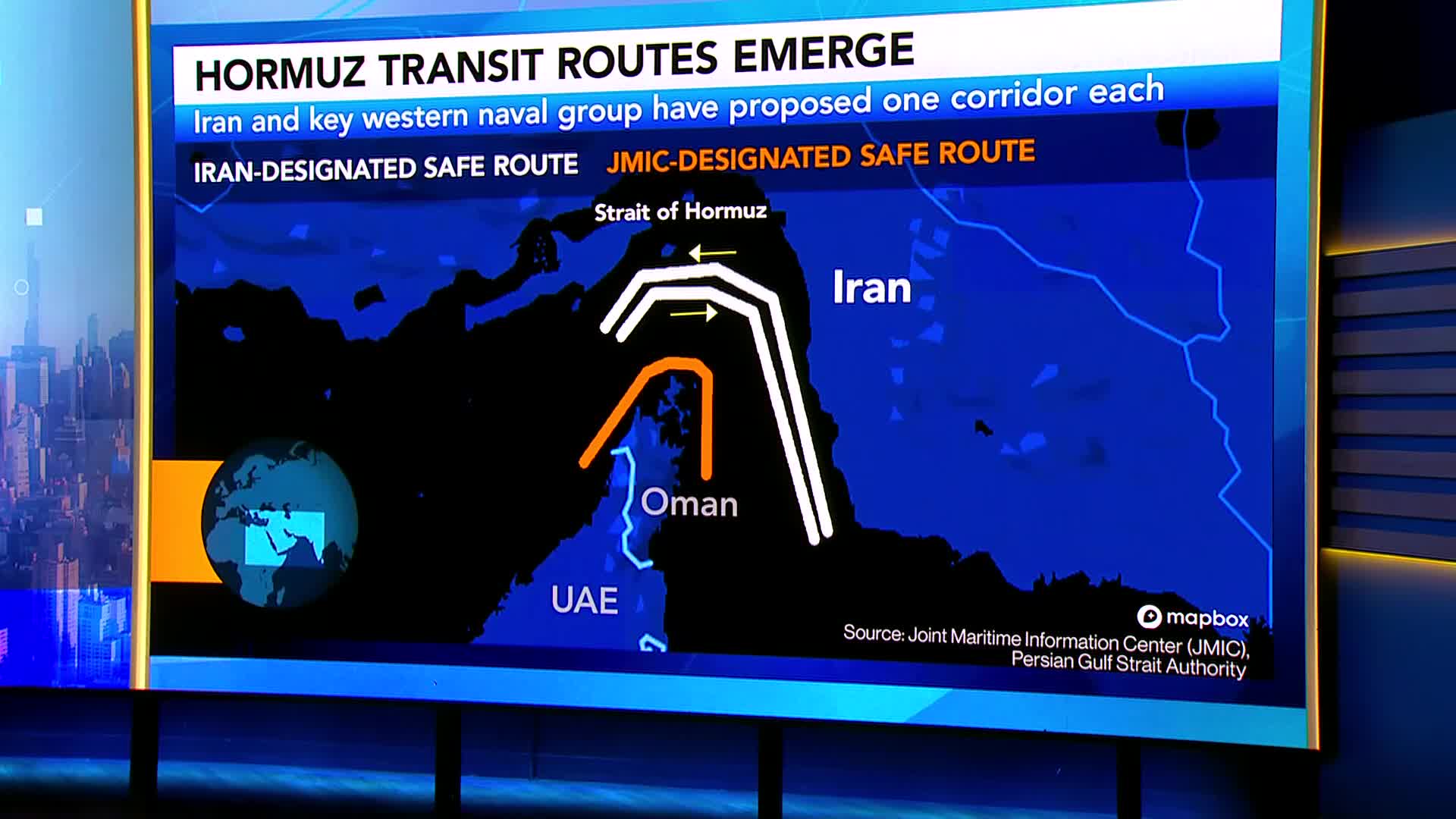
Iran has signaled ships may have to pay fees of some sort to go through Hormuz, something strongly resisted by the US, Europe and most Gulf Arab states. Oman has insisted it will abide by international maritime law, but privately warned European officials that some sort of payments may be inevitable, Bloomberg reported last week.
The interim deal said Iran wouldn’t charge tolls for 60 days but left open the possibility of ships being forced to pay some fees after that.
©2026 Bloomberg L.P.