

NZ Aims to Sign LNG Import Plant Deal Before November Election


(Bloomberg) -- New Zealand plans to sign a contract for its first liquefied natural gas import facility before the November election, with the government betting cheaper global LNG prices in coming years will make the fuel an affordable and reliable backup for renewable electricity.
The procurement process is underway, with a preferred bidder expected to be selected before the vote, Energy Minister Simeon Brown said in an interview last week. Prices for LNG are forecast to continue to come down as new supply outside of New Zealand becomes available, he said.
The South Pacific nation relies heavily on hydropower, which leaves it vulnerable to dry years when there is little rain or snow to fill the lakes. There were shortages of electricity and prices spiked in 2024 during one such period, and the government plans to have the shipboard import terminal and regasification plant running by 2028 to mitigate that risk.
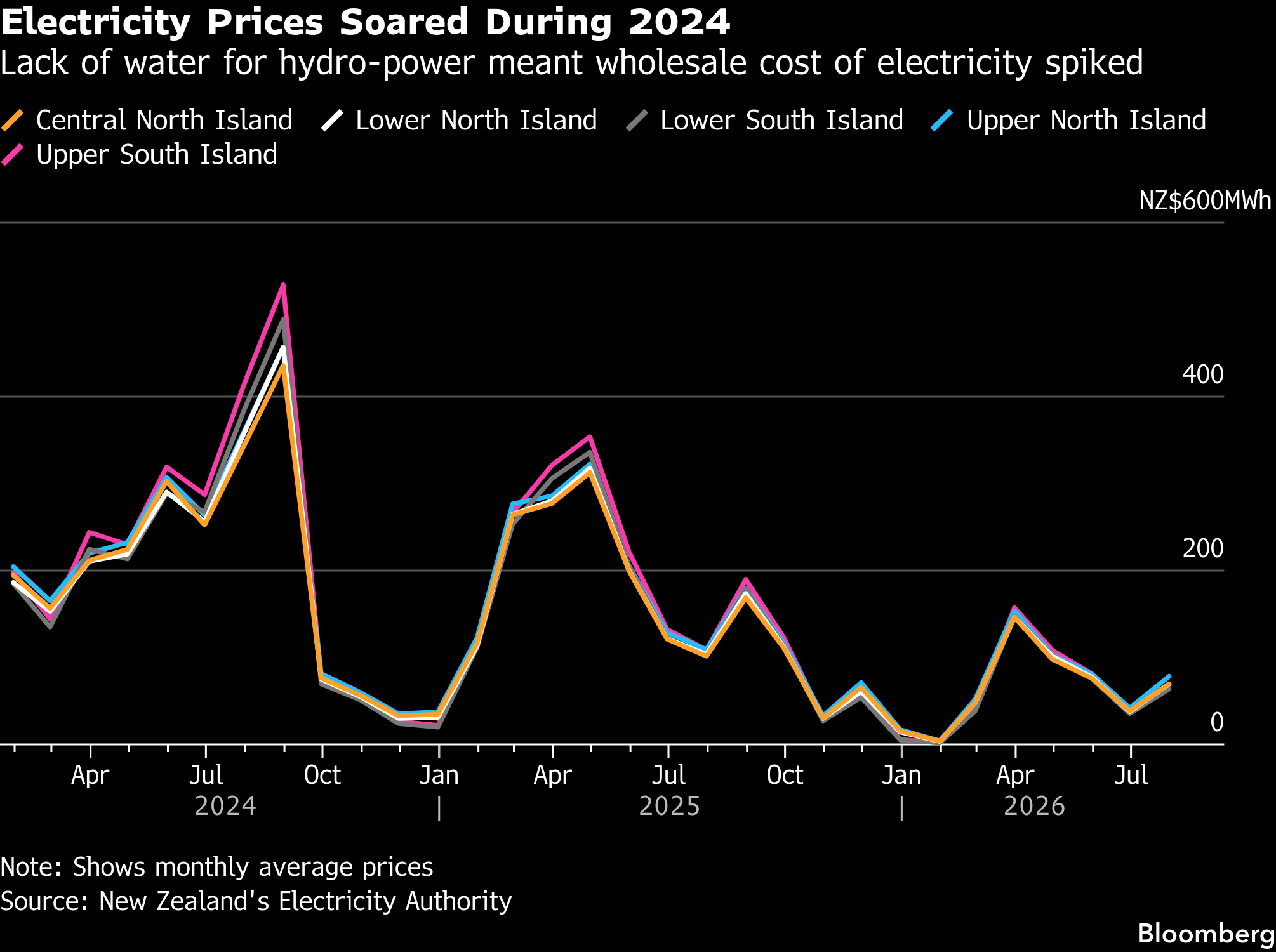
“Every four years we have a dry year,” Brown said, adding that dwindling domestic supplies mean the country needs to look overseas. “If we can’t get the gas out of the ground domestically, we’re going to need it somewhere else. We see it as an insurance against the dry year risk, it’s about resilience, it’s about reliability, and also about affordability.
The electricity companies, known as “gentailers” in New Zealand because they both generate and retail electricity, have to work out how they will pay for the plan, Brown emphasized. “We’ve said it very clearly, it’s their obligation to fund this, because it’s their dry year risk that they must manage.”
“We’re in commercial negotiations for the gentailers to run a commercial funding model for them to pay for it,” he said.

While the long-term solution to the question of energy reliability may include renewable options, Brown emphasized that the LNG import plan was the only solution that could be done quickly, and be in place in just a few years for when there is a repeat of the 2024 dry year.
“We’re not prepared as a government to leave New Zealand in a position where we effectively have a deindustrialization of our country, because we don’t have the molecules to be able to create electrons to keep the lights on,” he said, criticizing the Labour government’s 2018 ban on offshore oil and gas exploration and lack of planning for the transition to a lower-carbon economy.
“Gas is critical to the transition. It is a critical transition fuel to enable that transition in a smooth manner,” he said. “We’ve ended up with a very unsmooth transition, which is a direct result of the previous government’s policies.”
The global LNG market had been expected to move into a glut this year, however the shutdown of Qatar’s export plant, the world’s biggest, due to the war in Iran has tightened the outlook. The conflict has also highlighted the dangers of relying on energy from the Middle East.
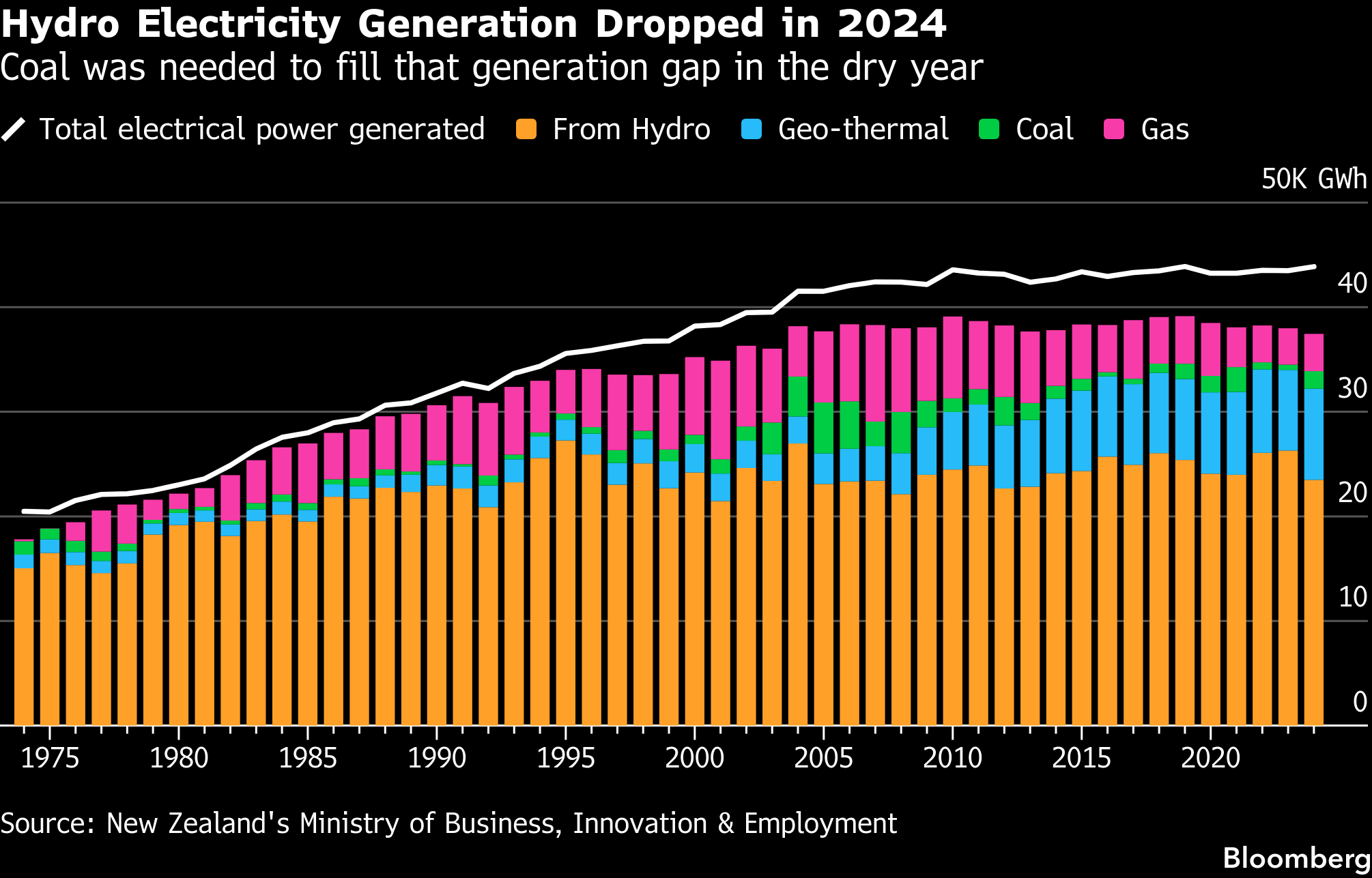
New Zealand has now built up a substantial coal stockpile at the coal-fired power plant in Huntly in case there is a dry year before the LNG plant is available, Brown said, adding that this provides “a significant amount of additional resilience that we didn’t have going into 2024.”
The opposition Labour Party is opposed to the plan, and the question is likely to be hotly debated ahead of the election later this year. The party’s energy spokeswoman Megan Woods has called it a “knee jerk reaction” to waning gas supplies, which is “excessive and rushed, and rules out viable alternatives.”
©2026 Bloomberg L.P.