

US Rescues Missing Airman as Iran Strikes Gulf Arab States


(Bloomberg) -- US forces rescued an airman from Iran days after his fighter jet was shot down, while the Islamic Republic’s continued attacks sparked fires that damaged Kuwait’s oil headquarters and shut down an Emirati petrochemicals plant.
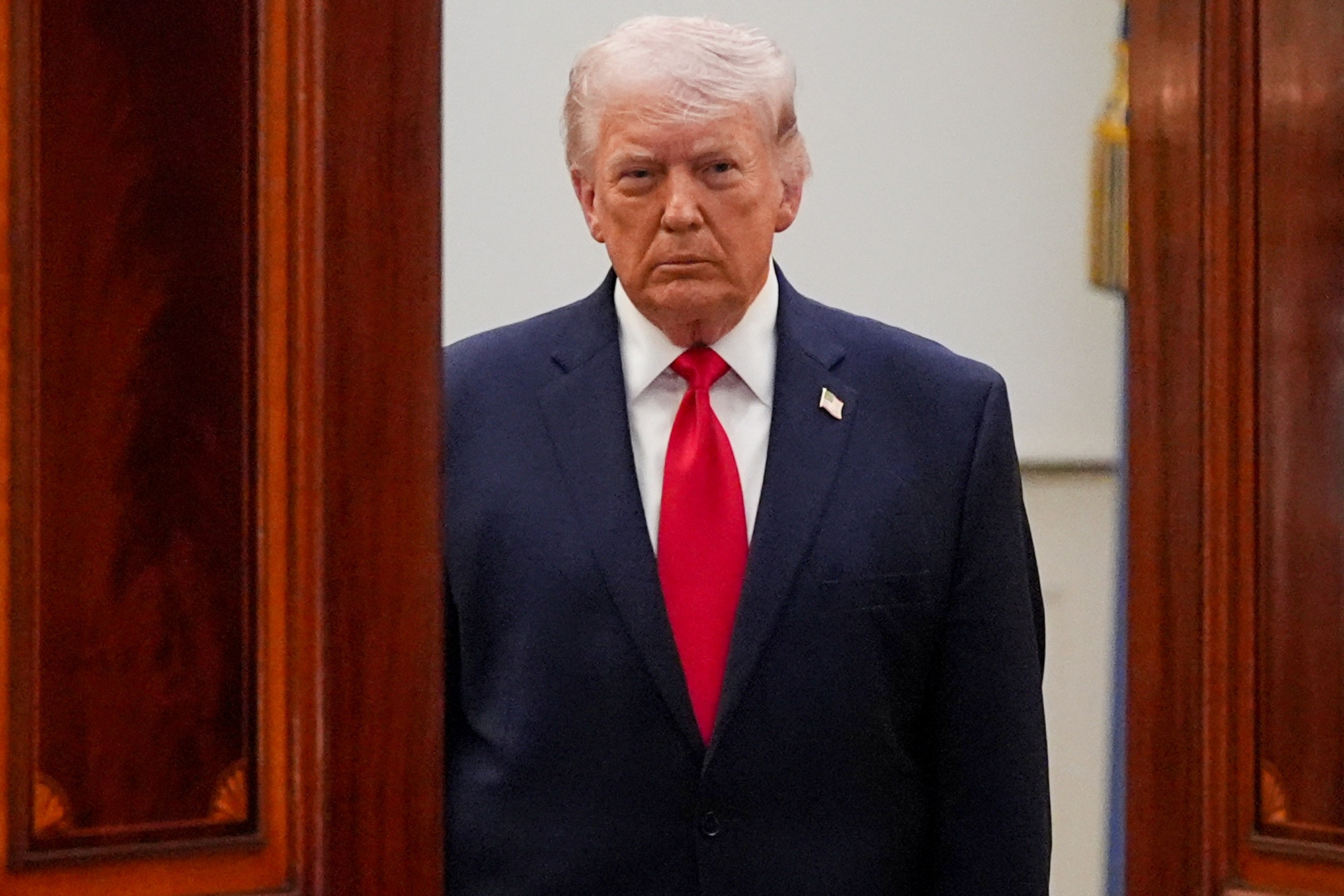
The US deployed dozens of aircraft to retrieve the injured crew member from a mountainous area, a day after a second person from the same F-15E jet was rescued, President Donald Trump said in a Truth Social post Sunday. Earlier, Trump threatened to unleash “all hell” on Iran, saying the time left on the 10-day deadline for it to make a peace deal with the US was running out.
The US would target Iranian power plants and bridges beginning Tuesday unless the Strait of Hormuz is reopened, Trump said in a later post. He plans on holding a news conference at the Oval Office on Monday.
The downing of US aircraft pierced the aura of invincibility Trump has sought to project, as the war with Iran enters a second month. Iran’s attacks have brought the Strait of Hormuz — through which about a fifth of the world’s oil and liquefied natural gas normally flows — close to a standstill, lifting energy prices and rattling global markets.
Oil prices have been roiled by the conflict and soaring costs for products such as jet fuel and diesel are threatening a renewed wave of inflation. OPEC+ members plan to raise their production quotas for May, according to two delegates, in a symbolic move as the war constrains production and shipments from several of the alliance’s largest members.
The rescue mission spanned two days and involved hundreds of special operation troops, with US aircraft dropping bombs and firing on Iranian convoys to keep them away from the aviator’s hiding area, the New York Times reported. The US destroyed two of its own special operations aircraft during the operation after they became stranded, the Wall Street Journal reported, without detailing the cause.
Iran said five people were killed and 170 others wounded in an airstrike on a petrochemical complex in the southwest, an attack claimed by the Israel Defense Forces.
Bahrain said a drone attack started a fire at storage facilities belonging to the state energy company Bapco Energies, though it was later extinguished without causing any casualties.
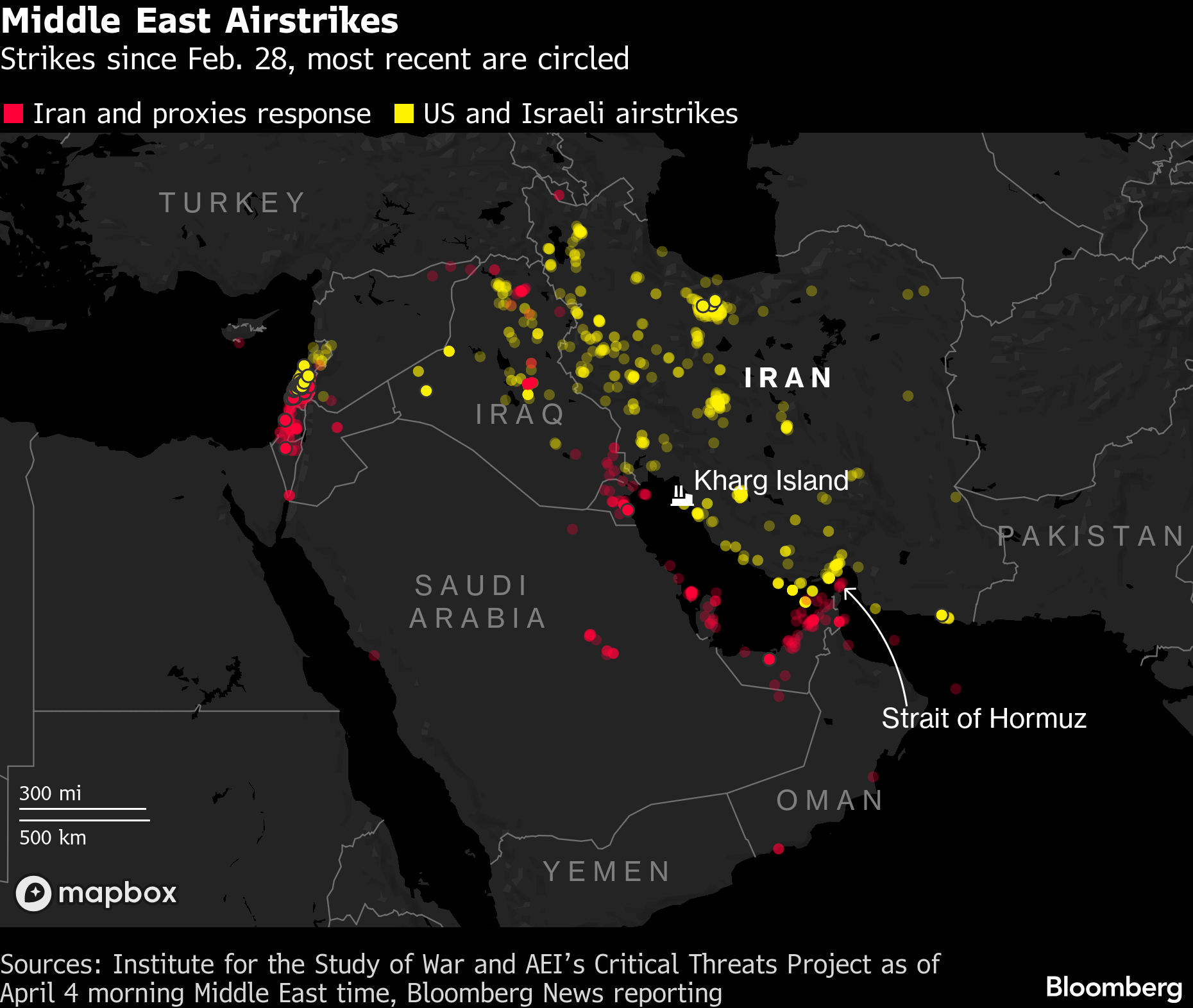
Kuwait’s oil sector faced a fresh barrage of attacks on Sunday with drone strikes causing fires at its refining arm and petrochemical facilities. Those came hours after Kuwait Petroleum Corp.’s headquarters, which also houses the country’s oil ministry, was set ablaze in a similar attack.
A separate strike on power and water desalination plants caused significant damage, putting two generation units out of service.
Borouge PLC suspended operations at a petrochemicals plant in Abu Dhabi after multiple fires broke out from falling debris following interceptions of Iranian attacks, the government media office said.
Saudi Arabia also reported cruise missile attacks, saying that they were shot down.
Israel said Sunday it struck more than 120 air defense and missile systems in central and western Iran over the past 24 hours. The country’s defense minister threatened further attacks on Iranian infrastructure.
An Iranian missile barrage targeted an industrial site in southern Israel, where shrapnel caused minor damage at a factory with no injuries reported, the country’s fire department said.
Iran has shown little sign of accepting Trump’s demands for peace and has laid out its own conditions — most of them unacceptable to the US and Israel. The president has warned that if Iran doesn’t agree to his terms and open Hormuz to all shipping traffic, the US would bomb the country’s civilian energy infrastructure, strikes that could constitute a war crime under international law.
Oman’s Foreign Ministry said in a post on X on Sunday that it discussed with Iran possible options to ensure “smooth flow” through Hormuz.
Iran announced Saturday that Iraq would be exempt from its shipping restrictions in the strait, allowing for as much as 3 million barrels a day of Iraqi oil cargoes. An Iraqi official struck a cautious note, saying volumes would depend on whether shipping companies are willing to risk entering the strait.
The Suezmax Ocean Thunder, an oil tanker that loaded its cargo at Iraq’s Basrah terminal in early March, appeared to be transiting the strait en route to Malaysia, according to tanker-tracking data compiled by Bloomberg. Such vessels can carry about 1 million barrels of crude.
Attacks targeting the perimeter of Iran’s Bushehr nuclear power plant left one security staff member dead, Iran’s semi-official Tasnim news agency reported yesterday. The main sections of the facility, where Russia’s state nuclear company Rosatom has workers, were unaffected, Tasnim said.
More than 5,000 people have been killed in the conflict, almost three-quarters of them in Iran, according to government organizations and the US-based Human Rights Activists News Agency. More than 1,300 people have been killed in Lebanon, where Israel is fighting a parallel war against Iran-allied Hezbollah.
©2026 Bloomberg L.P.