

Trump Set to Extend US Ship Waiver to Ease Oil, Gas Crunch

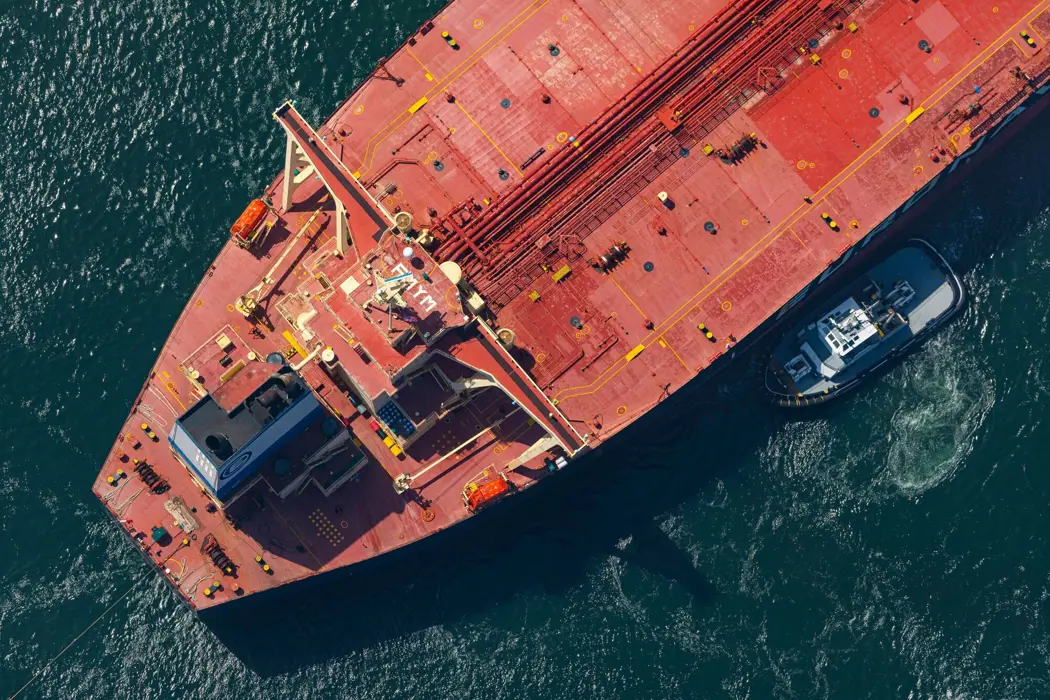
(Bloomberg) -- The Trump administration plans to extend a shipping waiver that allows foreign tankers to move oil and gasoline around the US, a bid to counter supply disruptions and higher prices triggered by the war in Iran.
The decision to continue exempting energy shipments from the 1920 Jones Act is set to be announced as soon as Friday, according to people familiar with the matter who requested anonymity to discuss private deliberations. The planned 90-day extension comes as the world drains pre-war crude inventories that have provided a buffer against the near-paralysis of cargoes through the Strait of Hormuz.
The current waiver, which expires May 17, effectively exempts crude, refined petroleum products, natural gas, fertilizer and other commodities from the law’s requirements that cargo between US ports must be transported on US-flagged, -built and -owned ships. The move could provide relief for US refiners as they begin booking waterborne deliveries for July.
The full scope of commodities the extended waiver would cover was not immediately clear. A White House official said an extension is under consideration, without elaborating.
According to the White House, the Jones Act waiver has already been used by dozens of tankers and has helped roughly 9 million barrels of American oil get to domestic destinations. Although the exemption was given on March 18, that total reflects only a few weeks’ of use, because refiners reliant on waterborne shipments of crude typically buy them a few months ahead of time.
President Donald Trump and top officials have said oil and gasoline prices will fall after Middle East conflict ends. But the spike in energy prices looms large for the administration ahead of the November midterm elections that are set to determine control of Congress, which are likely to hinge largely on the public’s views about the cost of living.
The action is one of a number of steps Trump has taken to blunt spiking fuel prices — and address growing supply concerns — with the US and Israeli war against Iran setting off a global energy crisis. The administration has also temporarily waived some domestic fuel specifications and sanctions for some waterborne Russian crude.
Oil industry leaders have praised the administration for its initial waiver and become increasingly vocal in lobbying for an extension. They’ve argued it’s made it easier to access fuel and oil supplies — including domestic crude — and has helped fill some of the roughly 13 million barrel hole created by the effective closure of the Strait of Hormuz that normally carries about a fifth of global crude supplies.
The law’s opponents have long argued the its provisions raises the cost of waterborne goods carried between US ports, though shipping costs have climbed amid the war even for Jones Act tankers.
Representative Ed Case, Democrat of Hawaii, which is heavily dependent on imported fuels, asked Trump for an extension Wednesday.
The “dual constraint of reduced international supply and insufficient domestic shipping capacity has made the waiver essential to maintaining adequate fuel flows to the state,” Case said in a letter to Trump.
For years, Jones Act supporters have fought off previous requests for exemptions — including a bid during Trump’s first term to relax its mandates in order to facilitate shipments of liquefied natural gas to Massachusetts and Puerto Rico. The law’s backers argue the requirements are needed to sustain American shipbuilding capacity that’s essential to national security.
Trump administration officials have stressed the waiver will not impact American shipbuilding.
(Updates with detail on timeline of extension in second paragraph.)
©2026 Bloomberg L.P.








