

Pritzker to Halt Data Center Tax Perks as Power Bills Soar

(Bloomberg) -- Illinois Governor JB Pritzker is seeking to temporarily halt incentives for data centers in a bid to contain soaring power bills.
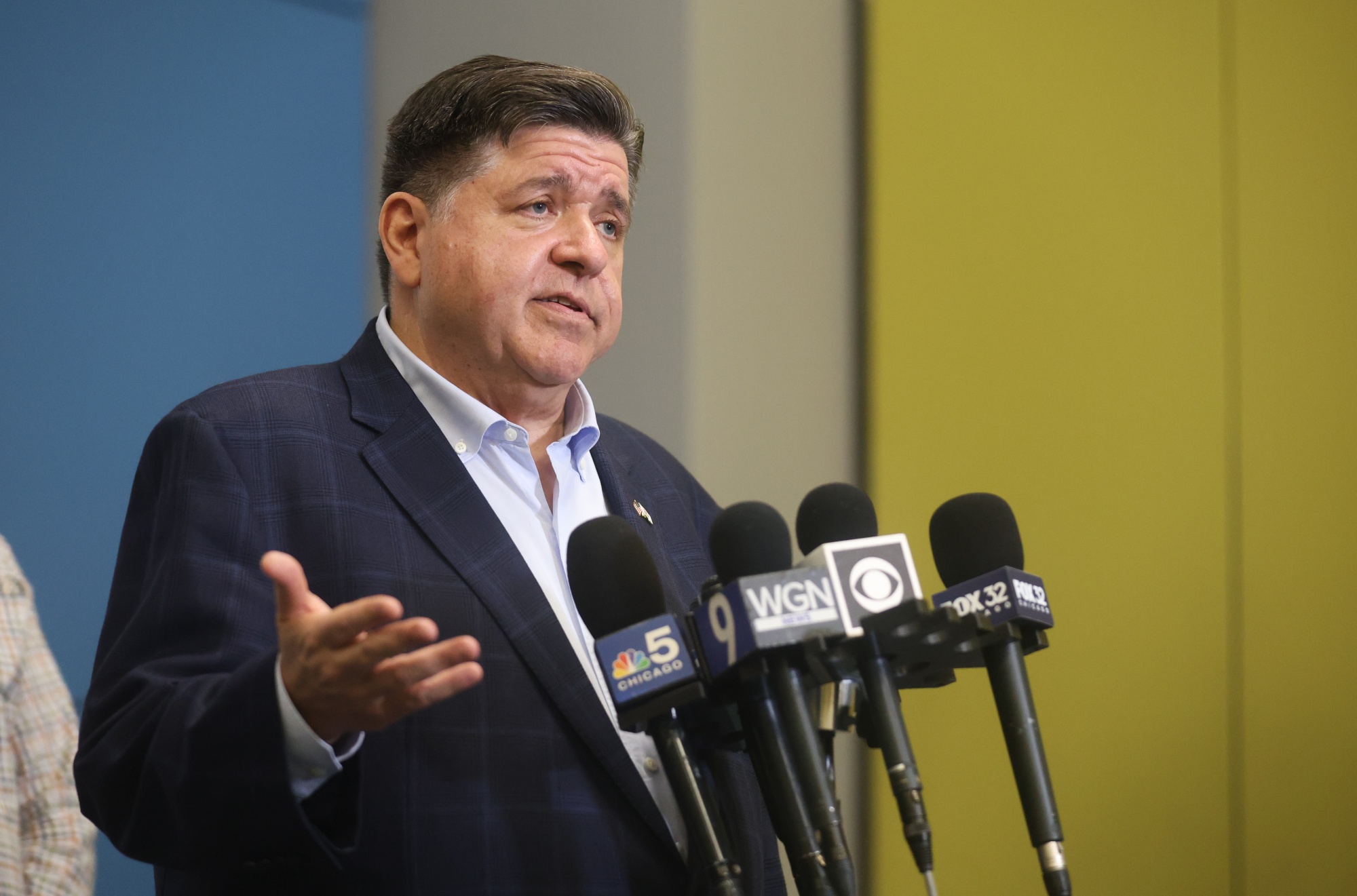
Pritzker, a Democrat seeking his third term as governor, wants to implement a two-year moratorium on new state-issued tax credits for data centers, he said during his budget address on Wednesday. He also urged the PJM Interconnection LLC, the largest grid operator in the US, to take steps to make large energy customers such as data centers pay their fair share.
Ensuring a reliable electricity supply has become key to a world where more and more people charge their phones, drive electric cars and use artificial intelligence tools. But concerns are mounting over who will cover the cost to power data centers, with energy bills for American consumers on the rise.
“We need to think critically about our future energy usage with the needs of Illinois households at the forefront,” he said. “In the face of rising demand and surging prices, I’m proposing a two year pause on authorization of new data center tax credits. With the shifting energy landscape, it is imperative that our growth does not undermine affordability and stability for our families.”
Pritzker touted the success that he and other governors have had in getting changes from PJM, which covers 13 states including New Jersey and Pennsylvania in addition to parts of northern Illinois. That effort has included speeding up interconnection times for renewable energy projects. He also called on PJM to “force data center developers to pay for capacity resources to power their operations.”
“We are actively working with all the governors in our footprint on multiple fronts to address the supply/demand imbalance that is driving up wholesale electricity costs,” Jeffrey Shields, a PJM spokesperson, said in an emailed statement. “PJM is also working with states and the utilities they regulate to require data centers and other new large electricity consumers to bring their own new generation to power their facilities, or be subject to curtailment in times of system emergencies.”
PJM’s efforts include steps to connect new projects faster, he said. Additionally, PJM’s board extended the price cap for another two years, which will help stabilize prices for consumers. Shields said that Pritzker and the Illinois Commerce Commission are “fully engaged at all levels” of these talks.
“Cost allocation to specific customer classes is in the hands of states, not PJM,” Shields said.
Illinois is not the first state to seek to reign in expensive power bills. New Jersey’s new governor, Mikie Sherrill, issued executive orders calling a state of emergency and pausing new utility rate increases after she was sworn into office last month. The move will enable New Jersey to block utilities from increasing how much they charge for certain services while the state accelerates new power generation, Sherrill said.
The Illinois Clean Jobs Coalition welcomed the proposal, saying consumers need to be protected from “skyrocketing” bills. But a business group in Chicago expressed concerns the plan would “eliminate a proven economic development tool,” said Jack Lavin, president of Chicagoland Chamber of Commerce.
The Illinois tax credit pause would begin during the start of the state’s fiscal year on July 1, according to budget documents. The program started in 2019 and so far 37 projects have been built since it began. The pause would allow the state to study the effectiveness of the program and its impact on revenue, the documents said.
The state legislature is expected to vote on the budget proposal before June.
(Adds comments from PJM starting in sixth paragraph.)
©2026 Bloomberg L.P.








