

Aramco halts Ras Tanura operations after drone strike
(Bloomberg) -- For almost three days, there was little sign of a new war raging in the Gulf if you were based in Saudi Arabia. Most schools were business as usual on Monday morning, Saudis and foreigners reported heading to the office and carrying on with meetings, and flights continue to shuffle people into, out of and across the country.
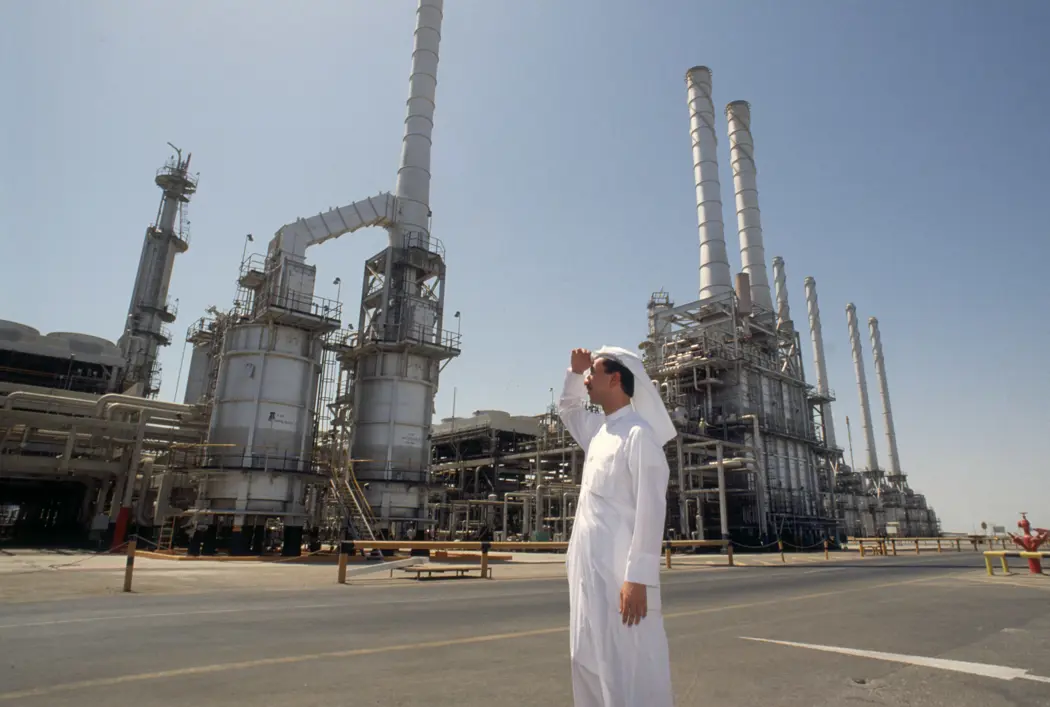
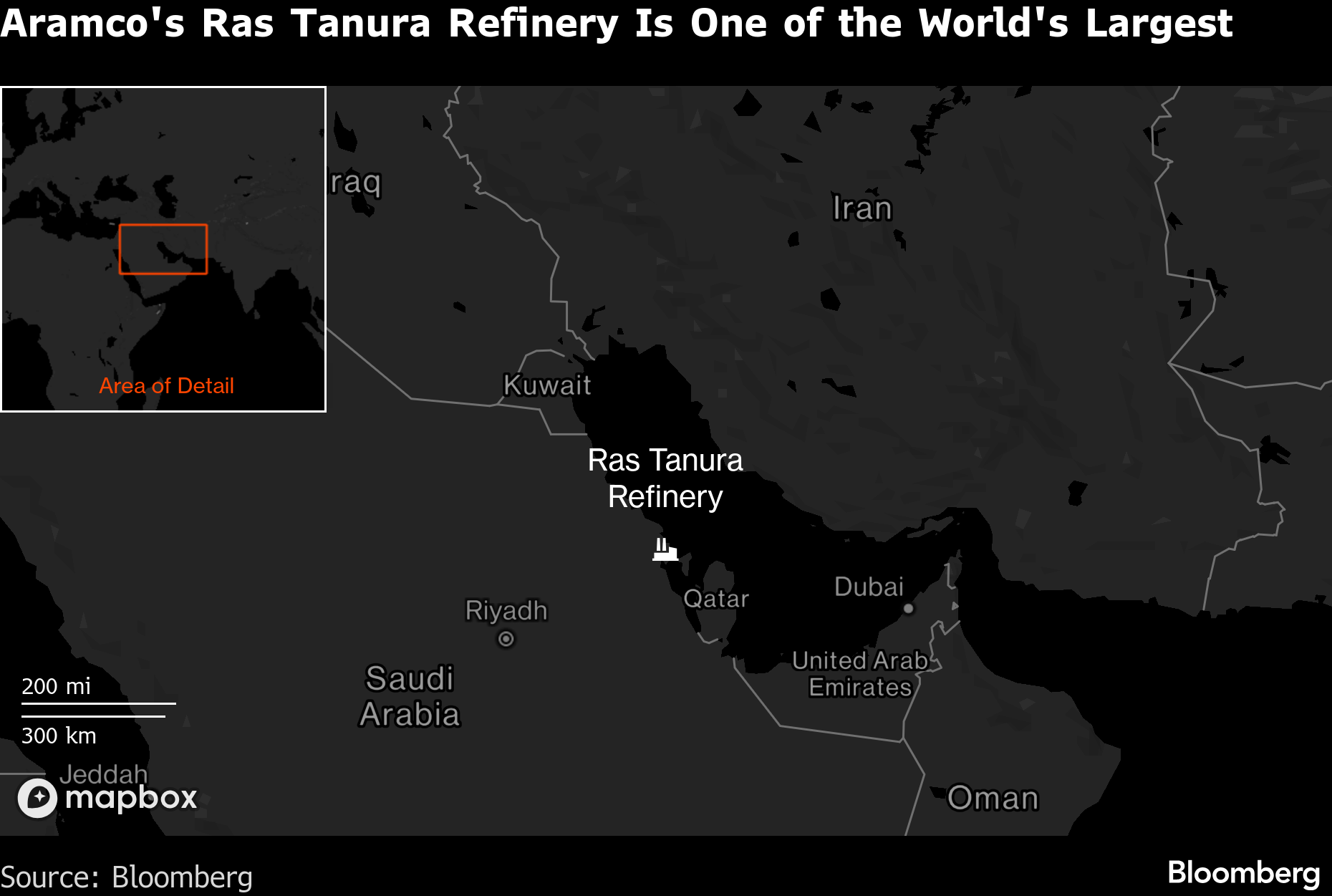
That has the potential to change — and quickly — after people familiar with the matter told Bloomberg News that an area housing Saudi Arabia’s largest oil refinery came under attack by a drone. Saudi Aramco has halted operations at its Ras Tanura refinery on the Gulf as a precaution as it assesses damages, the people familiar said, asking not to be identified discussing sensitive matters. A blaze at the site was under control, they said.
Saudi Arabia said there was a “limited” fire at Ras Tanura that was caused by debris from the interception of two drones, according to a statement from the state-run Saudi Press Agency. The incident didn’t cause civilian injuries.
Aramco did not have an immediate comment on the status of the refinery that can process more than half a million barrels a day. Crude oil in London is up almost 10% after hostilities in the Middle East started over the weekend.
The action against Ras Tanura has the potential to shift the calculus for Saudi Arabia as it would be the first to result in major reported disruption to local infrastructure since Iran began attacking Gulf states on Saturday in response to the Israel-US bombardment.
A direct threat to prized oil assets may be somewhat of a red line for Saudi Crown Prince Mohammed bin Salman, who has in recent years tried to remain neutral in regional conflicts — in part to avoid any possibility of a setback to his multi-trillion dollar agenda to diversify the economy away from oil.
“The attack on Saudi Arabia’s Ras Tanura refinery marks a significant escalation, with Gulf energy infrastructure now squarely in Iran’s sights,” said Torbjorn Soltvedt, principal Middle East analyst at risk intelligence company Verisk Maplecroft. “The attack is also likely to move Saudi Arabia and neighbouring Gulf states closer to joining US and Israeli military operations against Iran.”
Ministers from Gulf Cooperation Council countries had already gathered yesterday for an extraordinary meeting to review the possibility of taking coordinating steps to halting what they’ve called “treacherous” and “heinous” actions by Tehran.
The kingdom’s frustration with Iran also appears to have been growing. Saudi Arabia began stepping up its rhetoric against Tehran on Sunday, warning of consequences to the country’s actions, calling on the international community for a firm response to Tehran and summoning the Iranian envoy to the kingdom.
The Saudis confirmed on Saturday that they had intercepted Iranian missiles targeting assets in Riyadh and the eastern province, where Ras Tanura is located. The AFP was among those that reported on Sunday that Iran had also targeted Riyadh’s international airport. There has been no official confirmation of those attempted strikes.
Saudi Arabian equities reversed gains after the news of the strike on Monday, while shares of Saudi Aramco continued to trade higher as crude prices climbed.
Up until a few years ago, it wasn’t uncommon for Saudi oil installations to be the target of attacks. In 2022, Yemen’s Houthi rebels targeted an Aramco oil depot in Jeddah, disrupting festivities for the nearby Formula 1 Grand Prix in the Red Sea city. The Saudis retaliated at the time with moves including air strikes carried out by the Saudi-led coalition in Yemen.
On Monday, there were signs of the impact from the war across the Middle East. Residents in Dubai and Abu Dhabi again reported hearing blasts. In Lebanon, Iranian proxy Hezbollah attacked Israel. Iran said it had downed a US fighter jet that crashed in Kuwait, the semi-official Tasnim news agency reported.
US President Donald Trump said a bombing campaign against Iran — which began in alliance with Israel on Saturday after what he called Iran’s refusal to renounce nuclear weapons — will continue, perhaps for weeks.
©2026 Bloomberg L.P.