

Trump Is Pushing Gas to Power AI Boom, But Building Plants Take Years

(Bloomberg) -- When the Trump administration called Friday for an emergency power auction in an ambitious bid to speed the construction of big power plants and tame skyrocketing power bills, top officials made clear the vision encompassed specific kinds of energy: coal, gas and nuclear.
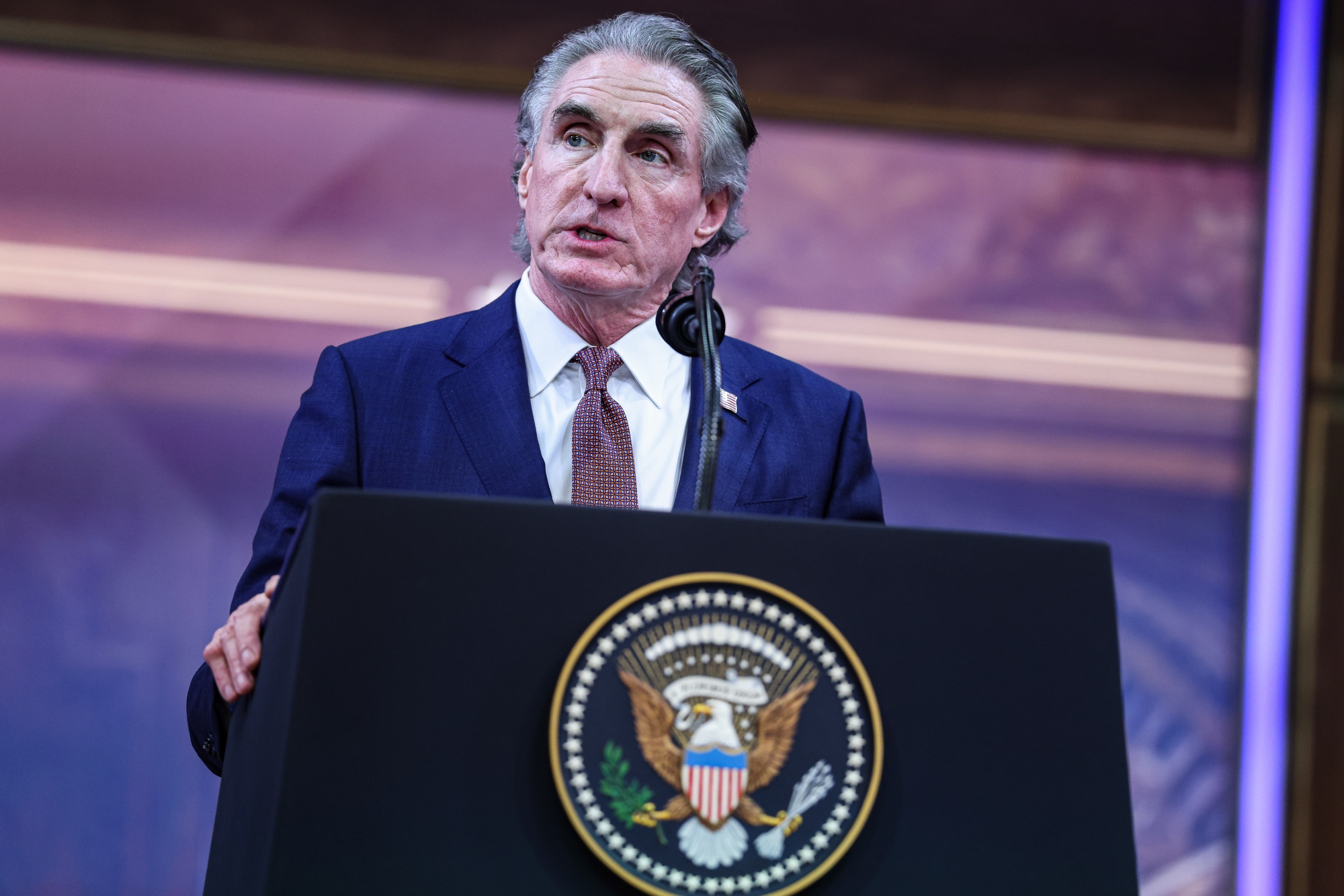
“We’ve got to build baseload power plants to keep the lights on, to keep our homes warm and to power our economy,” US Interior Secretary Doug Burgum said at an event steps from the White House on Friday. Baseload generation means coal, natural gas and nuclear, according to an administration fact sheet on the plan. It notably excludes renewable energy.
But building the kind of power plants that the Trump administration prefers has become extremely difficult. Nobody has constructed a US coal plant in over a decade. And no developers have released plans for large-scale nuclear after the last new reactor came in billions of dollars over budget and years behind schedule.
Gas plants have their own challenges. The time it takes to get a US gas plant into service is increasing, with average lead times growing from 3.5 years to 5 years between 2023 and 2025, according to BloombergNEF. The cost of building a combined-cycle gas plant, the more efficient type, grew about 49% over the same time frame.
“The key limits are the turbine market and the people who actually build these things,” said Evercore analyst Nicholas Amicucci. “Siting and permitting are a mess.”
The massive jump in power consumption from data centers, new factories and the overall electrification of the economy has led to an accompanying spike in the demand for the turbines that produce electricity by burning natural gas. That’s led to a rush among tech firms, utilities and developers all competing to secure a limited number of gas turbines. Turbine manufacturer GE Vernova has said it’s sold out through 2028 and is now taking orders for 2029.
GE Vernova’s shares rose 6.1% on Friday.
Burgum and Energy Secretary Chris Wright, who are chair and vice chair of of President Donald Trump’s National Energy Dominance Council, joined Republican and Democratic governors of 13 states Friday to to issue a “statement of principles” urging the biggest US grid operator, PJM Interconnection LLC, to hold an emergency wholesale electricity auction later this year.
The auction would let the tech companies that build massive data centers bid on 15-year contracts for new electricity generation capacity, helping to secure supplies and curb price volatility.
The comments from Administration officials and Virginia’s outgoing governor Glenn Youngkin on Friday illustrated a central conflict in US energy. There’s broad acknowledgement that the US power grid needs every electron it can get, but many Democratic leaders have opposed the construction of new fossil fuel infrastructure and many Republicans have been critical of subsidies encouraging new solar and wind farms.
Rob Gramlich, president of Grid Strategies and a former senior economist at PJM, said that the auction should include clean energy, as well. He said sources such as offshore wind and batteries have the same capacity value as gas plants and noted that no power source is available every second of the year. “The market should include all resources with the credit they deserve,” he said.
Back at the White House on Friday, Youngkin and Trump’s cabinet secretaries largely rejected renewable energy as an option. “Renewables are not going to get it done,” said Youngkin. “We need gas plants. We need nuclear. We need it all. We need it now.”
©2026 Bloomberg L.P.