

Cost of Trump's Coal Push Plays Out in Dollars, Noise and Health

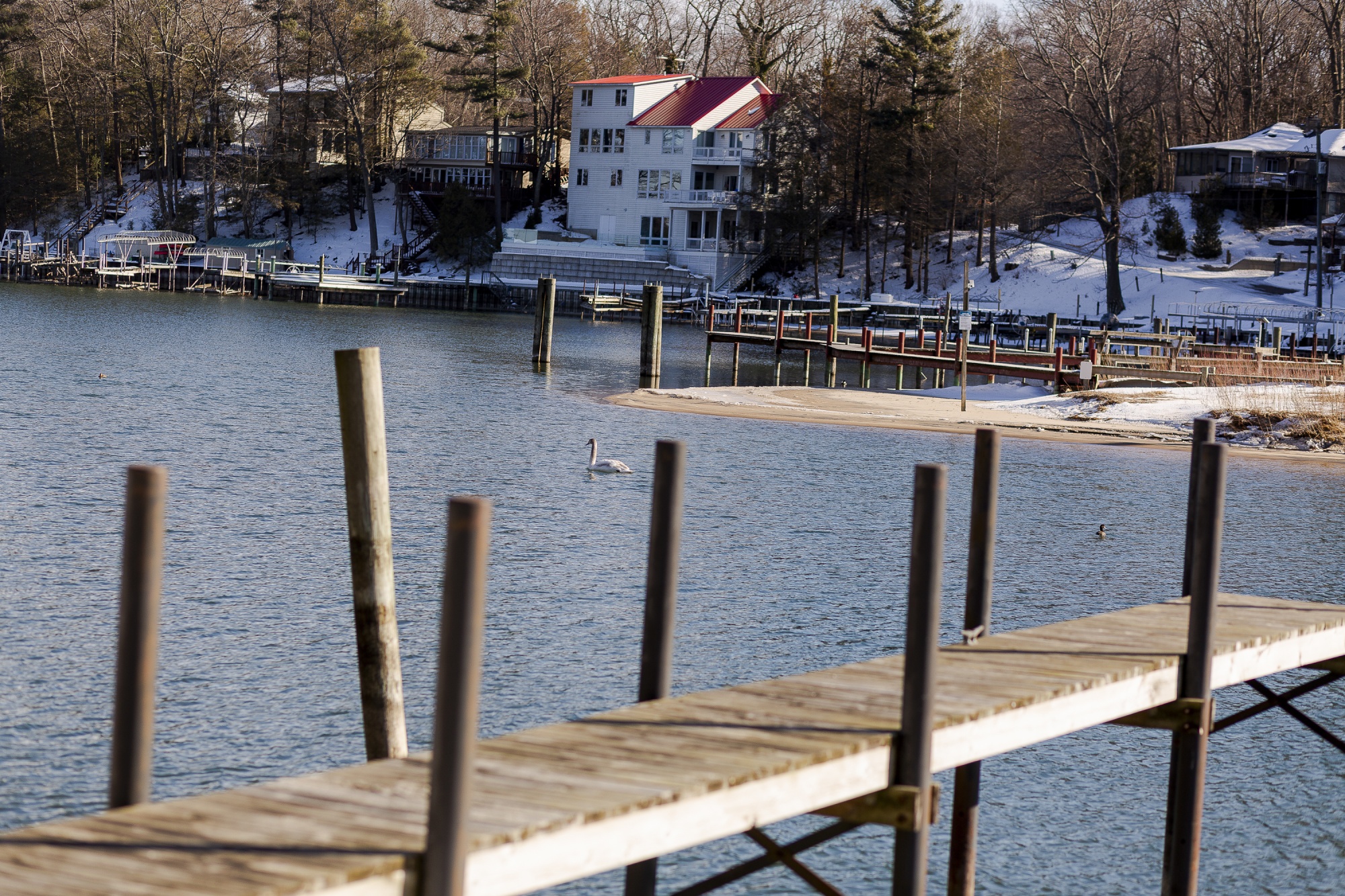
(Bloomberg) -- Chad Schmucker, 71, lives in Port Sheldon Township on the East shore of Lake Michigan, an area where dunes meet forest and water draws boaters in summer. It would be his dream retirement spot except that it’s just south of the J.H. Campbell coal plant, which spews pollutants and makes so much noise that at times his wife can’t sleep.
Summer brings the sound of tractors pushing coal, the mechanical churn carrying across the shoreline. Then there’s the grit. When the machines shove coal into new mounds, “all sorts of clouds of dust go off of it,” said Elisabeth Mims, 41, who lives in the shadow of the plant.
It was set to close last May, and to celebrate, Schmucker and neighbors planned a party at a little park by the water. “We were going to meet there with all the neighbors around midnight and a few bottles of champagne,” he said recently.
“Of course, that little celebration was canceled.”

It was canceled because the US Energy Department, in a highly unusual move, declared a grid-reliability emergency and ordered Campbell to remain open for 90 days.
That was just an opening strike.
In August and in November, the DOE extended Campbell by another 90 days. Then in December, the DOE forced three other aging coal plants slated for retirement to stay operational. In many cases the orders came within days of retirement dates that had been scheduled for years.
Energy Secretary Chris Wright is keeping the plants open in service of President Donald Trump’s plan for a renaissance of what he calls “beautiful clean coal.” He has argued that coal is necessary for grid resilience, especially as data centers demand more energy.

Last week alone, Wright announced $175 million in government funding to “modernize, retrofit and extend the life” of six coal-fired power plants across the rural South and Ohio and the White House issued an executive order telling the Department of Defense to purchase power from coal-fired facilities.
Michigan State Attorney General Dana Nessel has sued to vacate the orders, which she characterizes as a “fabricated emergency” and a costly and unjustified federal overreach. In filings to the Federal Energy Regulatory Commission in January, Consumers Energy, the majority owner of the plant, reports that as of the end of last year, the emergency orders had cost them —for things like more coal, repairs and staffing — $135 million more then they made from selling the plant’s power. The roughly $600,000-a-day cost could be passed along to ratepayers across the region.
But the true costs of keeping Campbell open go beyond that. Burning coal comes with well documented health and environmental harms, like smog, and the EPA has long counted avoided pollution as a benefit, to balance regulatory costs. The agency quietly ended that practice in January.
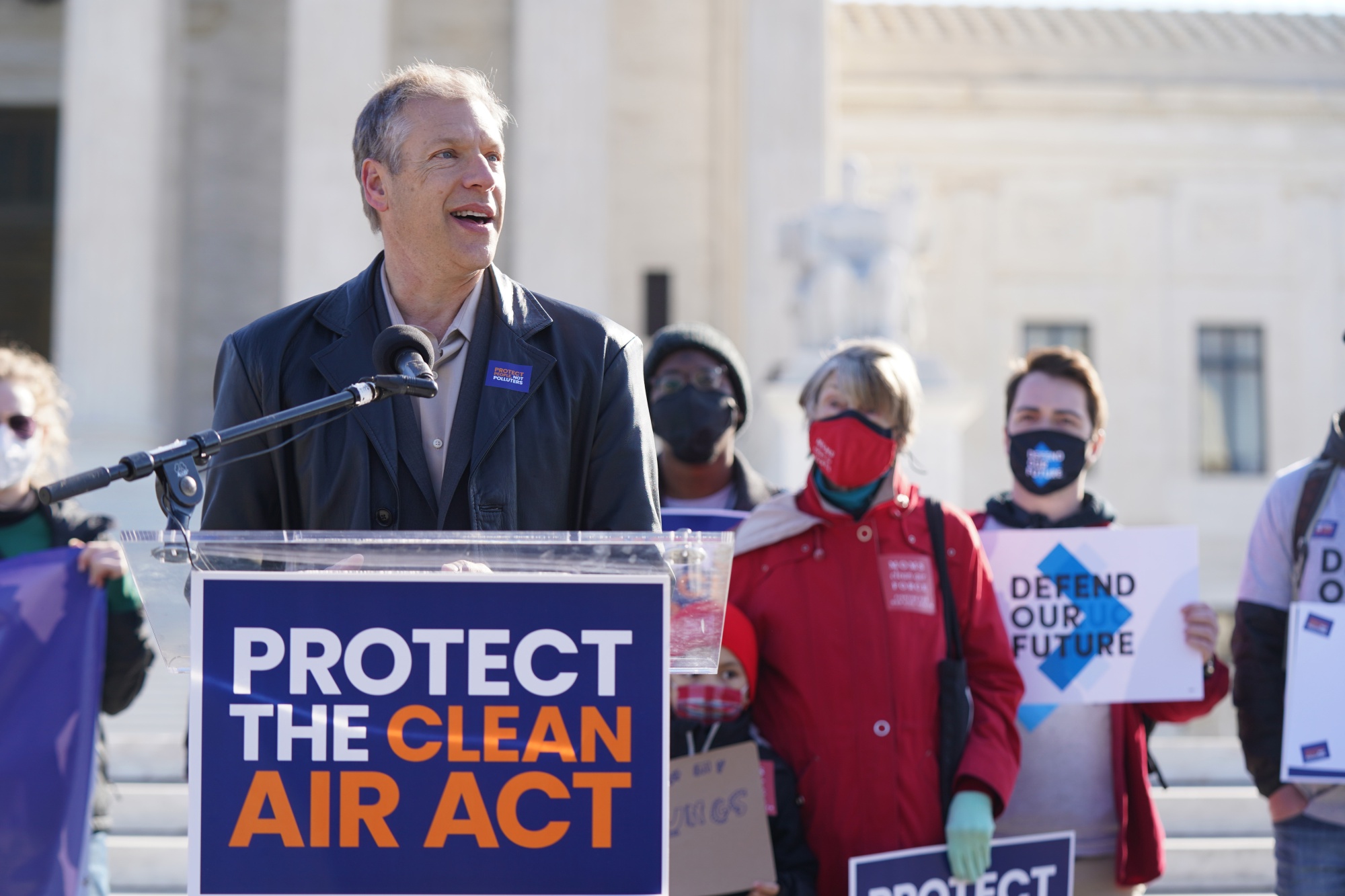
Ten public interest groups have filed a request for a rehearing with the DOE, saying the Campbell emergency order violates the law. The science of coal pollution is so advanced those harms can be modeled. On page 13 of their petition, they do just that: Each year that the life of the plant is extended, it could cause up to 81 premature deaths and nearly $900 million worth of costs for treating illnesses caused by the pollution including asthma attacks and lung disease.
“These harms, which flow directly from the department’s order, are actual, specific, imminent and deadly,” the groups write.
Brian Wheeler, a spokesman for Consumers Energy, said that “all of Campbell’s operations are in compliance with the facility’s relevant environmental permits.” He added that the harms for extending the life of the plant should be addressed by the DOE.
The DOE didn’t respond immediately to questions. The agency has said the extension of the Campbell plant has been crucial, issuing a press release in February that credited its emergency orders, including extended operation at Campbell, with helping stave off major blackouts and thus “saving American lives” amid severe winter weather.
When Richard Nixon signed the Clean Air Act in 1970, the US codified that pollution is a negative externality that should be balanced with costs that were paid down the line in health-care bills and even lives. For 50 years, the debate in Washington wasn't about if the government should account for the cost of human life and health, but instead how to make that calculation unduly burdensome.
Research in following decades has demonstrated that air pollution in particular is a major contributor to heart and lung diseases, developmental disorders, asthma and thousands of premature deaths every year.
Amendments to the Clear Air Act in 1990 allowed the Environmental Protection Agency to further toughen rules that set pollution limits for airborne chemicals from soot to carbon monoxide, neurotoxin mercury and ground-level ozone, an ingredient in smog.
Looking back, it is possible to see that industrial growth and pollution reduction can coexist. From 1970 to 2023, US emissions of six major air pollutants fell 78%, while energy consumption grew 42% and GDP grew 321%. Sulfur dioxide, a respiratory irritant and ingredient in acid rain, fell 92% since 1990, when Congress amended the Clean Air Act.
But there have been costs on both sides. The Campbell facility is in Ottawa County, which is home to roughly 300,000 people and earned a D grade for air quality in the American Lung Association’s most recent annual State of the Air report. The ALA notes that Ottawa has 5,000 pediatric asthma cases, 26,000 adult asthma cases and 161 lung cancer patients.
These laws also made it more expensive to run a coal plant. As facilities were forced to add technology like air scrubbers, sometimes the costs became too high, and plants closed as cheaper forms of energy, like renewable energy and gas increased. Coal has dropped from roughly 40% of US generation in 2014 to about 16% in 2024.
Now Trump is stacking the scales to favor coal over all other considerations, pushing for a reversal of 50 years of law.
The deregulatory blitz has been a gift to the coal industry, including delaying tougher wastewater treatment rules for coal plants by five years, rolling back limits on mercury and air toxins for power plants and eliminating the longstanding bipartisan practice of calculating health benefits for the two deadliest coal pollutants—ozone and particulate matter.
On Thursday, the Trump administration negated the 2009 “endangerment finding,” which formed the legal basis of regulating emissions of climate warming gases like CO2 under the Clean Air Act. It is a victory for coal and allied interests that had been trying to get rid of those findings in court. The Edison Electric Institute, an association of investor-owned utilities of which Consumers Energy is a member, argued in a public comment that without federal greenhouse gas regulation, the power industry could face balkanized state regulation and lawsuits, and bring unpredictability into permitting, finance and construction.
Electricity prices in the US are rising faster than they have in many years, and unevenly across the states. The race to build out AI is driving wild demand for data centers, and some states are facing acute rising electricity prices from that, from general demand growth to run power-hungry homes and, in some places, shrinking power loads to consumers.
Trump has cast his push for renewed coal mining and power generation as part of national security policy, to compete for global leadership in AI, and economic security, to provide miners with jobs and families with electricity. The nationwide power drive is a qualified one, however, given that the president also opposes the renewable power sources that make up the bulk of the US’s generation expansion. Renewable power was responsible for more than 90% of capacity additions in 2025.
The Federal Power Act, the century-old law invoked to keep the Campbell plant open, was updated by Congress in 2015 to require that when an emergency action conflicts with environmental laws, the government must make sure the order delivers power “only during hours necessary to meet the emergency and serve the public interest.”
But Greg Wannier, lead attorney for the public interest groups asking DOE for a rehearing over the continued operation of the plant, said the administration hasn’t engaged with their criticism of the order so far.
Moves like forcing coal power plants to open violate the widespread assumption among Americans that it’s not the government’s job to pick winners or losers in the market, said Rachel Cleetus, senior policy director for climate and energy at the Union of Concerned Scientists.
“It’s flat-out flying in the face of market-based economic principles,” she said. “They are trying to prop up what’s essentially an uneconomic resource. It’s very polluting. It’s obviously hugely damaging to public health, but it is a losing resource in the market, just based on the fundamentals.”
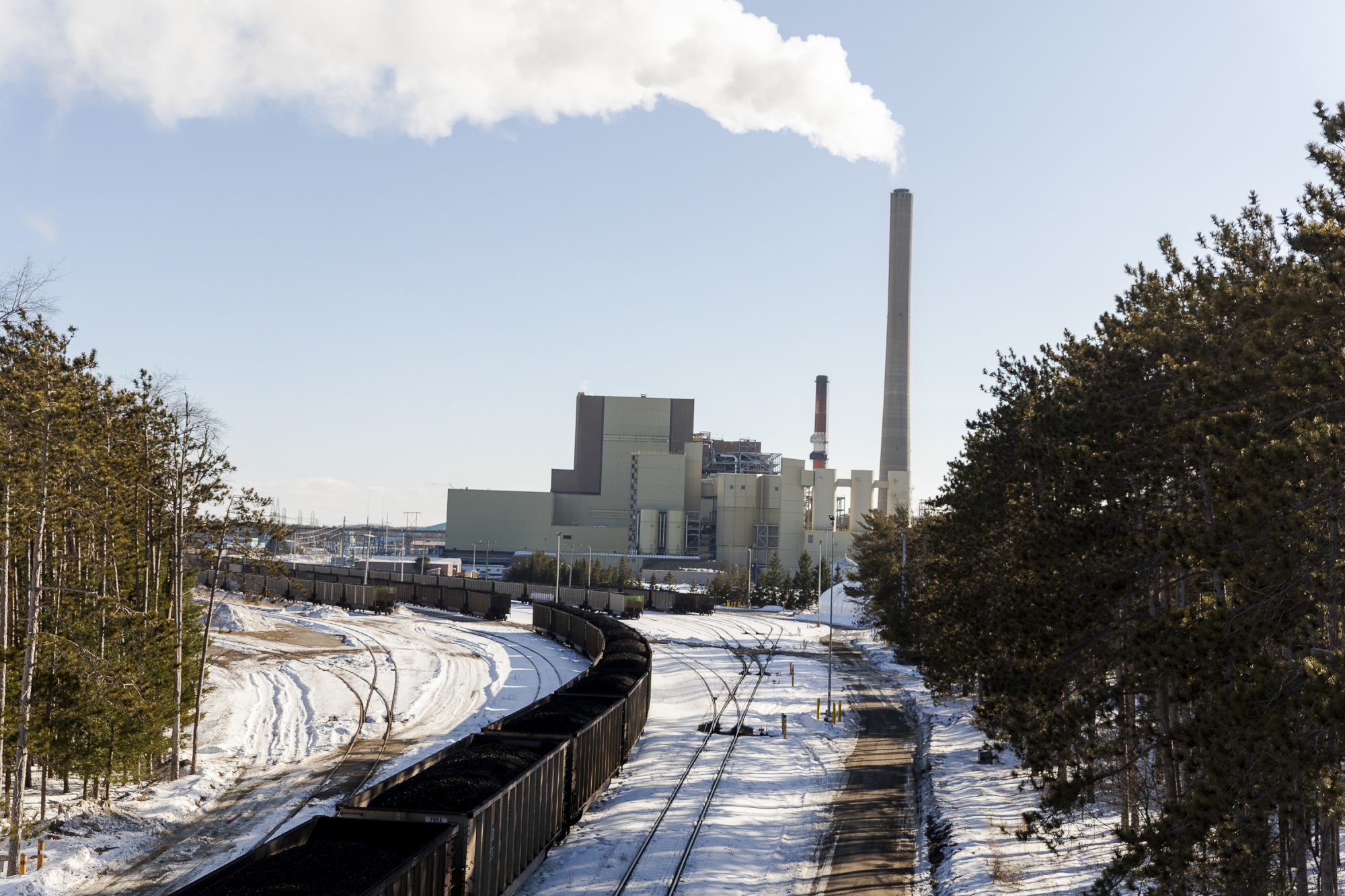
Campbell is like many of the coal plants that were slated to retire: old and dirty. As Consumers Energy’s only remaining coal plant, Campbell is the largest source of sulfur dioxide and particulate matter in the Consumers Energy generation fleet.The facility emits annually approximately five million metric tons of carbon dioxide (the equivalent to using about 6,700 passenger cars for a year), millions of pounds of nitrogen oxides and sulfur dioxide, hundreds of thousands of pounds of particulate matter and 100,000 pounds of air toxins.
Last year, Consumers Energy said plant took in 600 million gallons of water a day from local lakes, discharging roughly 9,600 pounds of reportable toxic pollution back into the lake.
Additionally, the site maintains an on-site landfill containing 6.2 million cubic yards of coal ash.
The 10 environmental groups petitioning DOE relied on testimony that Kelsey Bilsback, an expert in statistical analysis and emissions, had provided during a previous legal matter before the Michigan Public Service Commission. For that testimony, she plugged in the plants’ emissions from 2019 into a variety of commonly accepted models to evaluate the impact. She found 36 to 81 premature deaths per year and between $389 million and $879 million in annual health-related costs.
When coal-burning plants close, recent studies show, the local populace suddenly stops showing up in the hospital. One study found that after a coal processing plant’s closing in Pittsburgh, there was a 42% drop in heart-related emergency room visits and a 41% decline in pediatric asthma ER visits.
Toxic metals discharged into the water supply builds up in fish and can lead to cancer, neurological disorders and kidney damage in humans who consume tainted water or fish. Mercury and arsenic cannot be washed away. Like for much of the Great Lakes, Ottawa County warns against eating any carp taken from the lake and to limit consumption to one lake trout a year.
Paul Keck, 77, a retired doctor, thinks those limitations don’t protect local residents enough. He built a house next to the power plant in 1992 and lived there in the summers. “In those early years, we couldn’t park outside because we’d immediately get ash on the cars,” he recalls. After summering there for years, he began to develop intense pains that were hard to diagnose, until a specialist suggested he might have a high Mercury count in his blood.
“After I retired, I went down to Florida every winter and I would get tested” for mercury and other toxic metals, he said. “By the time I would leave Florida, my metals would be down. Then I’d come back here again for the summer and they’d go back up again. That happened like four consecutive years.” He moved about 12 miles away four years ago partly to be further from the plant.
As dire as past pollution from the plant has been and as frightening as the models appear, they may still be underestimating risks. Consumers Energy had been planning for a 2025 retirement since 2021, and so it had reduced investments in maintenance.
Trump took Ottawa county handily in 2024 and many locals have lived with the plant for their entire lives. At a local steak and burger restaurant in the town of Holland, Jim Barry, an Ottawa County commissioner who describes himself as a traditional conservative Republican, said the plant comes up at pretty much every commission meeting.
Folks are split between concerns about the plant operating and those who worry that shutting it down might cut needed power from the grid—a view particularly popular among the most conservative members of the commission and community, he said. There is a vocal “save the plant” group that weighs in from time to time.
And everyone seems worried about the costs being passed on to the ratepayers. “It’s not how you would plan a shutdown in an orderly fashion,” he said.
Campbell’s toxic effect on the local community has always worried Mims, 41, who lives in the woods where Pigeon Lake meets Lake Michigan. Every time she drives out, she passes the Campbell plant and its coal yard, a stretch of black fuel several football fields wide, she said.

Over the years, as she has struggled with her health, she has wondered how much of that is because of the dust and other plant pollutants. She has been diagnosed with rheumatoid arthritis, and has had two dogs and a cat die of cancer.
Mims was thrilled when Consumers Energy announced the plant’s retirement. As the planned shutdown approached, she watched as the plant worked through its stockpile and the vast lot became empty. Then came the federal emergency order. The trains returned, rebuilding the pile.
“It went from hopeful — a tangible step forward — to so disheartening,” she said.
Mims said the plant has become a daily reminder of how she thinks about climate policy. “It just doesn’t make any sense to have it be open,” she said. “There’s no reason for it to be open other than it makes money — not for us.”
©2026 Bloomberg L.P.








