

China Coal Mine Blast Tests Limits of Xi’s Energy Security Push


(Bloomberg) -- China’s world-beating coal production has helped shield its economy from the worst of the Iran war shock. Now the deadliest mining disaster in years is raising uncomfortable questions about the cost of that drive.
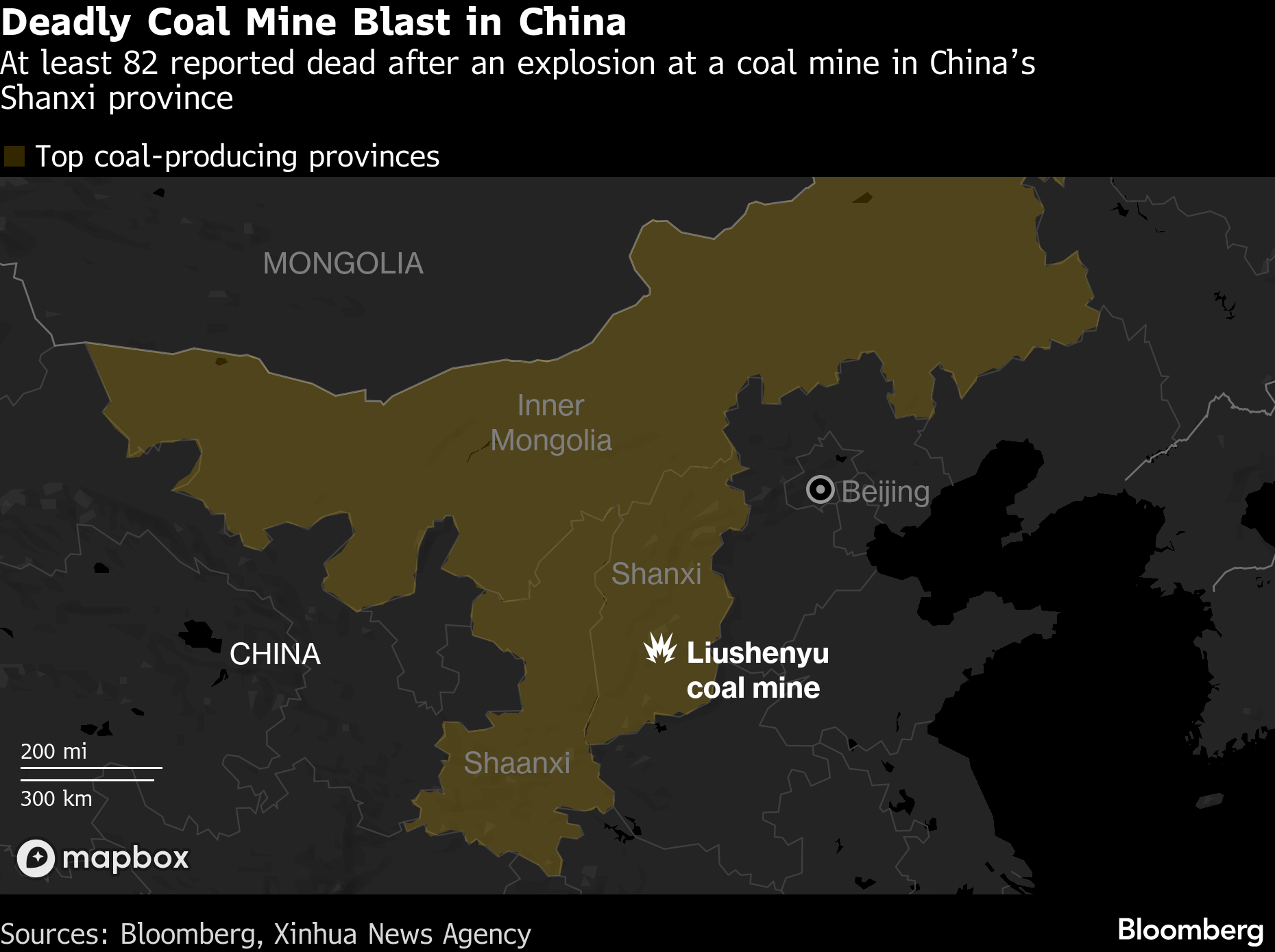
The privately owned Liushenyu mine, in the coal-belt region of Shanxi, produces mostly coking coal, meaning it supplies steelmakers, not power plants. A mid-sized outfit, it produced a fraction of the region’s annual total.
But Friday night’s blast, which left at least 82 dead, is already prompting a response which belies the scale of that operation.
The accident has triggered a vast rescue operation with hundreds of emergency workers, promises of an “uncompromising” investigation and an intervention from President Xi Jinping and senior officials. An immediate increase in scrutiny is almost certain — potentially threatening overall coal output in the near term, power generation and Beijing’s efforts to prioritize energy security.
Such high-profile mine incidents tend to trigger “nationwide safety inspections and heightened enforcement,” said David Fishman, a Shanghai-based principal at The Lantau Group. “This has been the pattern in the past and it’s reasonable to expect it again this time, because of the size of the accident and the immediate strong statements from the central government, including Xi himself.”
Regional authorities have already launched inspection and remediation efforts targeting risks at coal mines, including gas, water hazards and roof conditions, the Shanxi Daily reported on Sunday, citing the region’s Communist Party secretary.
But a crackdown comes at a delicate time for China. Conflict in the Persian Gulf and the closure of the Strait of Hormuz has disrupted oil and gas shipments for the best part of three months. The country, meanwhile, is heading into summer, a time when hotter weather drives up power consumption.
Any hit to coal mining output risks tightening supplies and pushing up energy prices or, in the worst-case scenario, forcing power curbs on the industry similar to those that rattled China’s economy in the past.
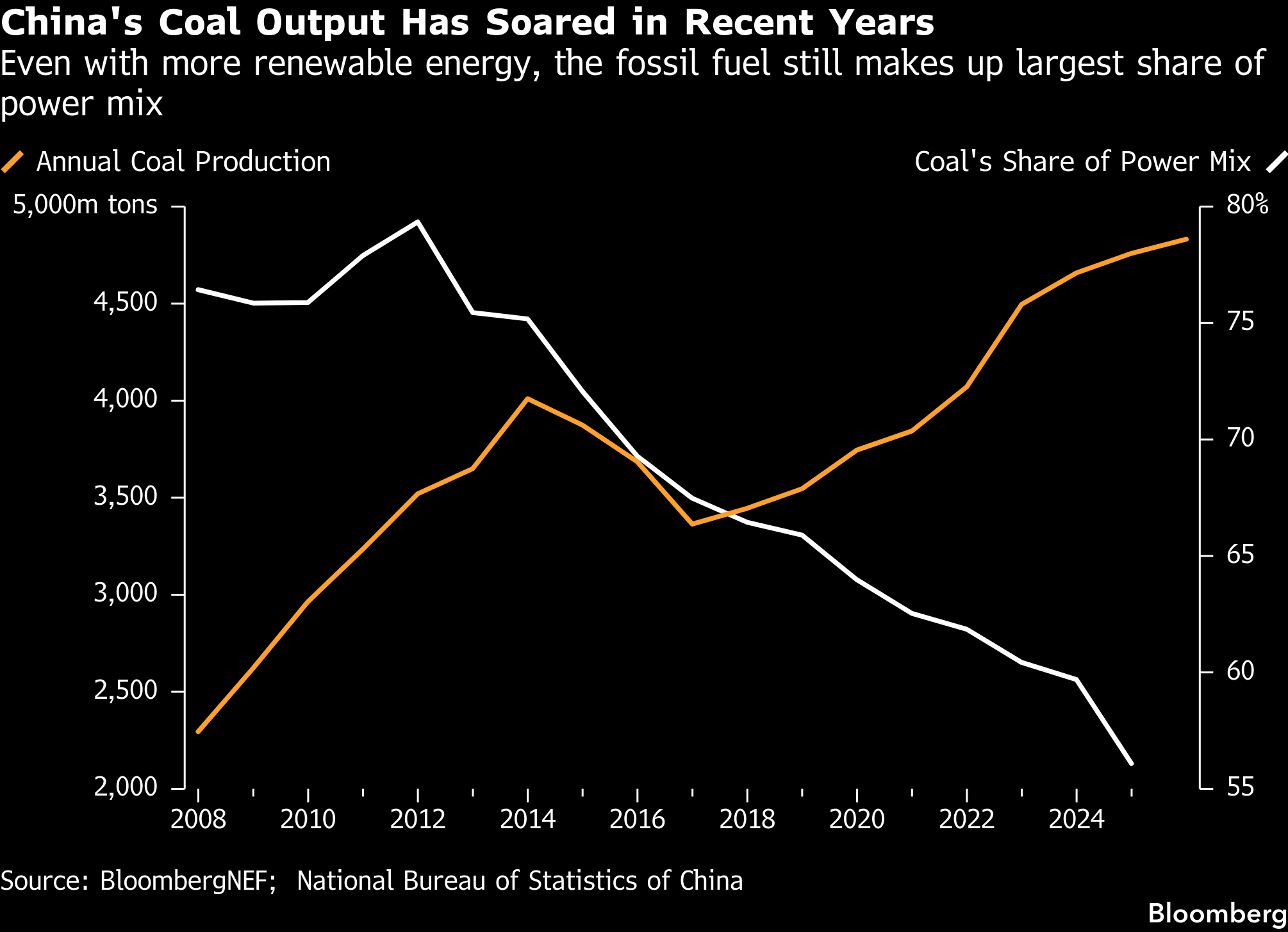
China started the year with coal stockpiles ample enough to be considered a glut. Nationwide coal output has fallen in eight of the past nine months, including in April, largely because of excess supply.
But that balance is at risk of shifting, as the Iran war lifts liquefied natural gas prices and reduces imports, piling fresh pressure on coal to continue carrying the bulk of the country’s thermal power generation.
For years, Xi’s government has doubled down on China’s abundant coal reserves to reduce reliance on imported energy. Coal output hit a record high last year — up 30% from a decade earlier — and remains the backbone of the country’s power system, underpinning a broader push to electrify everything from cars to industry. Domestic coal is even being tapped as a feedstock for production of chemicals, oil and gas.
But the drive for energy security and domestic production has forced mines to juggle competing priorities: maintaining breakneck supply growth while overstretching facilities and equipment. And that has extended beyond just thermal coal: The Beijing News reported the Liushenyu mine may have had too many workers underground, some without GPS devices specifically to aid rescuers.
“It’s possible that local officials may take the rap and if so, they may be publicly shamed and prosecuted,” said Rana Mitter, historian and ST Lee chair in US-Asia relations at the Harvard Kennedy School. “But that will almost certainly be portrayed as the central government cracking down on lax behavior in the provinces — not any fundamental failing in the party’s governance.”
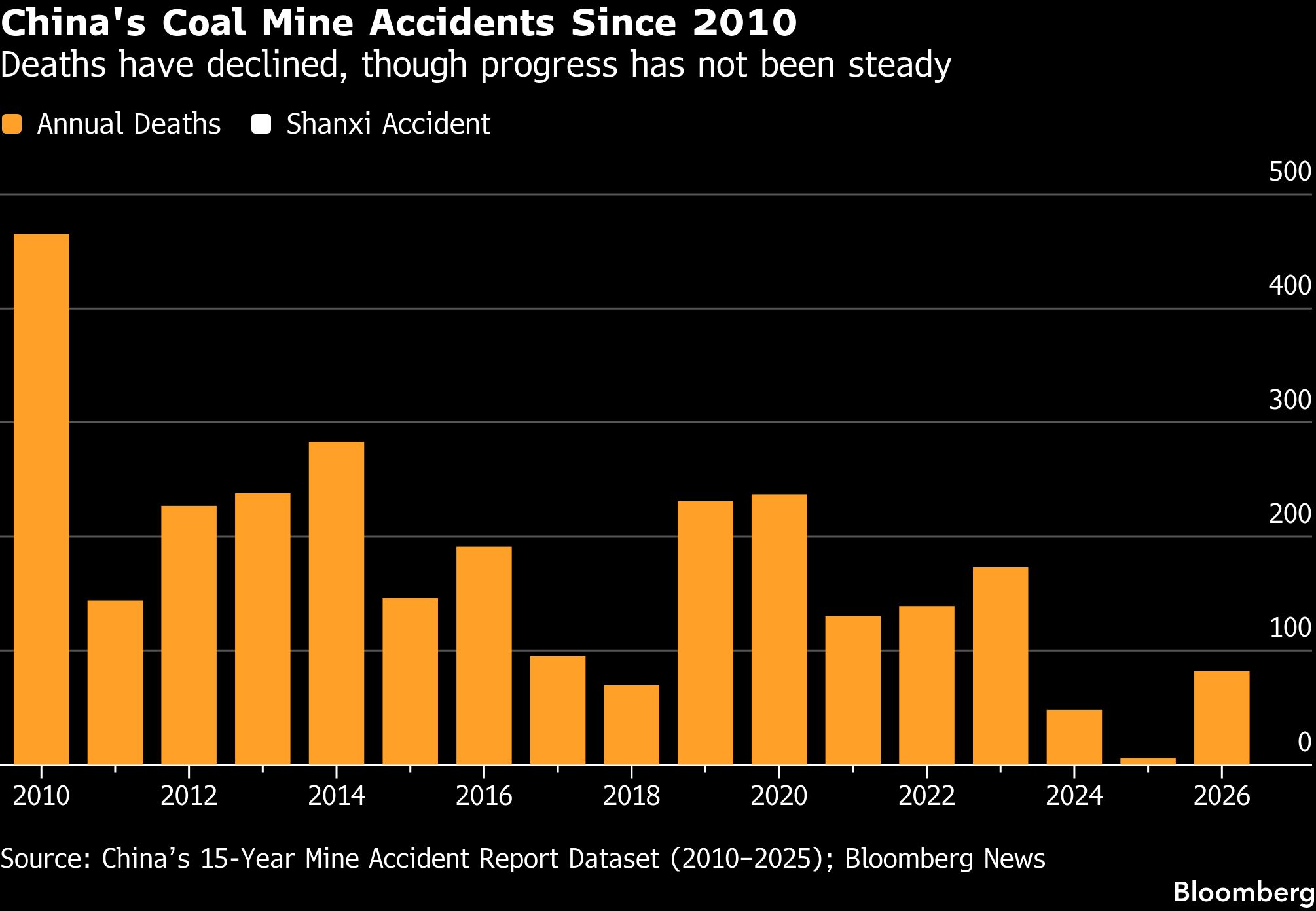
China has made strides when it comes to safety, and research shows a drop in the frequency and scale of coal mine accidents over the past decade or so.
Beijing has not, though, tackled structural problems, said Mary Gallagher, professor of global affairs at the University of Notre Dame — which include perverse incentives and a system that punishes local officials for problems, and not the central government.
When production is a priority, local governments can get caught between Beijing’s economic guidance and its safety standards.
“It’s a lose-lose situation,” Gallagher said. “It’s likely that in this case the local government was looking in the other direction as this mine clearly had safety issues before the accident.”
Granted, some aspects of the official response have improved. Back in 2021, a crackdown ahead of the Communist Party’s 100th anniversary curbed production to the point that it contributed to a coal shortage and nationwide power curtailments.
Beijing has found less disruptive methods. Even after the last large disaster — a 2023 landslide at a mine in Inner Mongolia that led to 53 deaths — officials responded with a focus on accident prevention, not a hit to overall production. At the time, China’s output was rapidly increasing and the mine was restarted to help lift volumes.
It’s not yet clear that the Liushenyu mine will trigger a similarly contained response, even though it produces coking coal, and accounts for just 0.1% of Shanxi’s total annual coal production. It was penalized twice last year by local authorities for safety violations.
Several coal mines in Shanxi’s Qinyuan county, where the blast happened, have already been verbally instructed to suspend production, according to a report from consultancy MySteel. Twelve mines in the area — all but two of them coking coal assets — have halted output, risking tighter supply as local inventories are already in the low-to-mid range, the report said.
“We will strengthen oversight of mining operations, crack down on the fabrication or deletion of surveillance footage, and intensify inspection of concealed work areas,” Zhang Wenbo, director of the Emergency Management Bureau of Changzhi City said at a press conference on Saturday night.
The city’s mayor has apologized to the victims’ families and pledged to hold those responsible accountable for the accident.
©2026 Bloomberg L.P.








